- World Population Review Newsletter
- Posts
- Are Your Taxes Wasted? See Where They Pay Off Most
Are Your Taxes Wasted? See Where They Pay Off Most
A global look at where tax dollars deliver real returns—and where they don’t.

Philip Saparov
April 20, 2026
Sponsored by

Greetings, inquisitive mind of world events!
What do you really get for the taxes you pay? Around the world, people trade income for services—but the return on that trade varies widely.
In this edition, we explore where taxes go the furthest—and where they fall short—and what that means for where you live, invest, or retire.
Let’s examine the true return on taxation.
Affordable Housing, Reimagined

Affordable housing doesn’t have to mean sacrificing design.
Azure Printed Homes creates beautifully designed, modern homes that are built efficiently and priced accessibly (starting around ~$40,000+).
Using 3D printing and automated manufacturing, we deliver homes that are:
• Thoughtfully designed
• Sustainably built
• Ready in ~20 days
Small footprint. Big impact.
This is what the future of housing looks like.
America needs millions of homes. We can build them at scale. That's not a vision, it's already happening in a warehouse in LA, with our second factory opening in Denver this month.
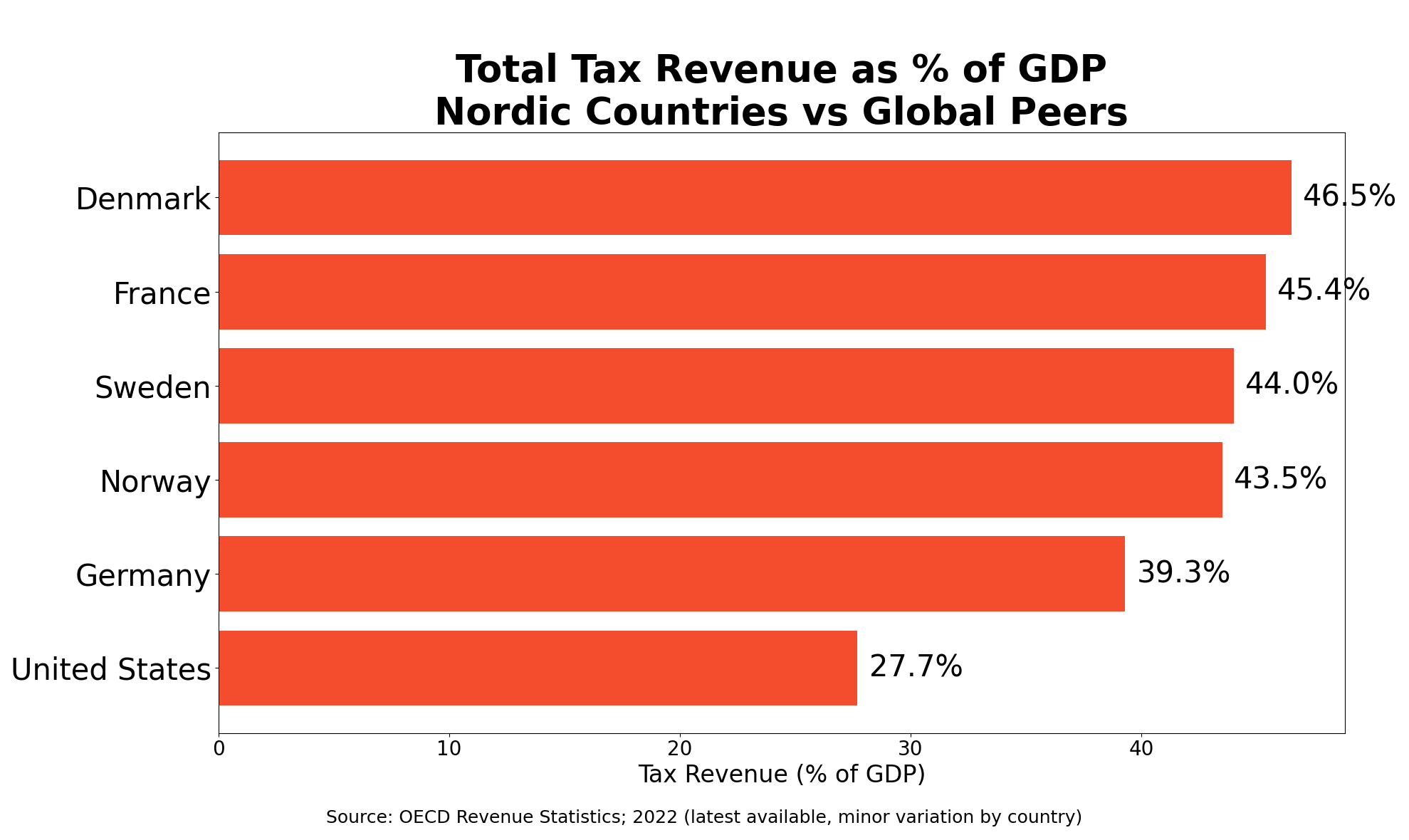
It may seem counterintuitive, but some of the world’s highest-tax countries consistently rank among the best places to live. The Nordic model—exemplified by Sweden, Denmark, and Norway—offers a compelling equation: high taxes in exchange for high-quality public services.
🇸🇪 Sweden channels tax revenue into universal healthcare, tuition-free education, and robust parental leave policies.
🇩🇰 Denmark pairs high income taxes with world-class infrastructure and strong social safety nets, contributing to its frequent ranking as one of the happiest nations.
🇳🇴 Norway leverages oil wealth alongside taxation to fund generous pensions and public services.
What sets these countries apart is efficiency and trust—citizens largely believe their taxes are well spent.
A telling detail: Denmark spends over 25% of its GDP on social protection, yet maintains one of the highest workforce participation rates in Europe—suggesting strong returns don’t dampen productivity.
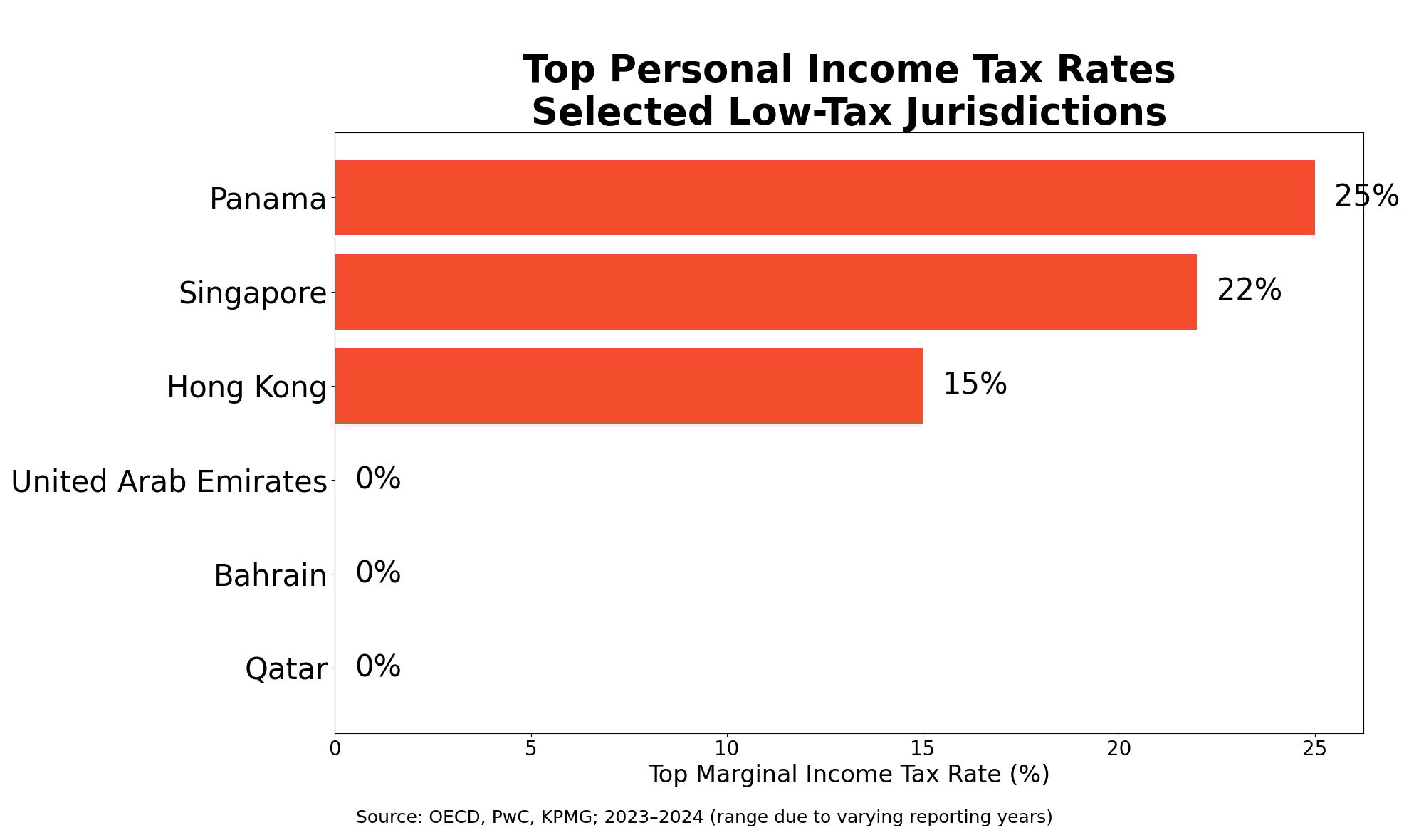
At the opposite end are countries that prioritize low taxation—but offer fewer public services in return. These nations often appeal to entrepreneurs, retirees, and high earners seeking to maximize disposable income.
🇦🇪 The United Arab Emirates imposes no personal income tax, making it a magnet for global talent. However, residents rely heavily on private healthcare and education.
🇸🇬 Singapore keeps taxes relatively low while delivering efficient public services—but many benefits are means-tested rather than universal.
🇵🇦 Panama offers territorial taxation, meaning foreign income is often untaxed, attracting retirees and investors.
The trade-off is clear: lower taxes can mean greater financial freedom—but also greater personal responsibility.
A striking insight: In Dubai, over 80% of residents are expatriates, many drawn by tax advantages despite limited long-term social benefits.
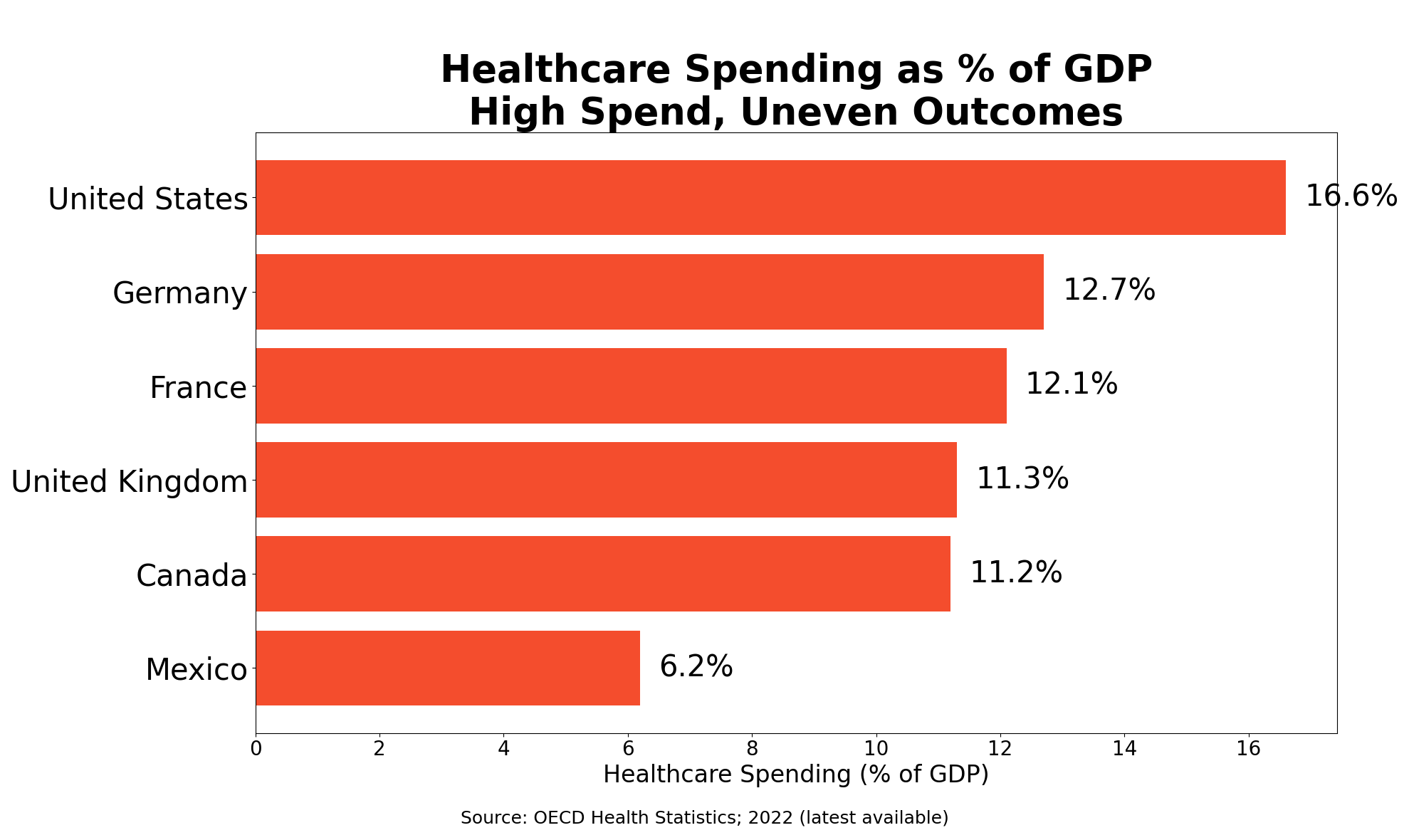
The United States presents a unique case—moderate tax levels compared to Europe, but highly variable outcomes depending on location and income.
🇺🇸 Federal taxes fund national defense, Social Security, and Medicare, but healthcare remains largely privatized, leading to high out-of-pocket costs.
🏙️ State-level differences are significant: California offers extensive public services but higher taxes, while Texas has no state income tax but fewer social programs.
📊 Infrastructure and education quality can vary widely, often tied to local tax bases.
This decentralized system creates both flexibility and inconsistency.
A revealing statistic: The U.S. spends nearly 17% of GDP on healthcare—more than any other country—yet ranks lower in life expectancy than many nations spending far less.
The Next Winning Stocks Are Already Moving

The Magnificent Seven didn't start at a trillion dollars. They started exactly where these companies are now — dominant in their space, growing fast, and catching institutional attention. Our analysts identified 7 with the same setup.
The names, the trends, and the full breakdown are all in The 7 Stocks That Will Be Magnificent in 2026 report.
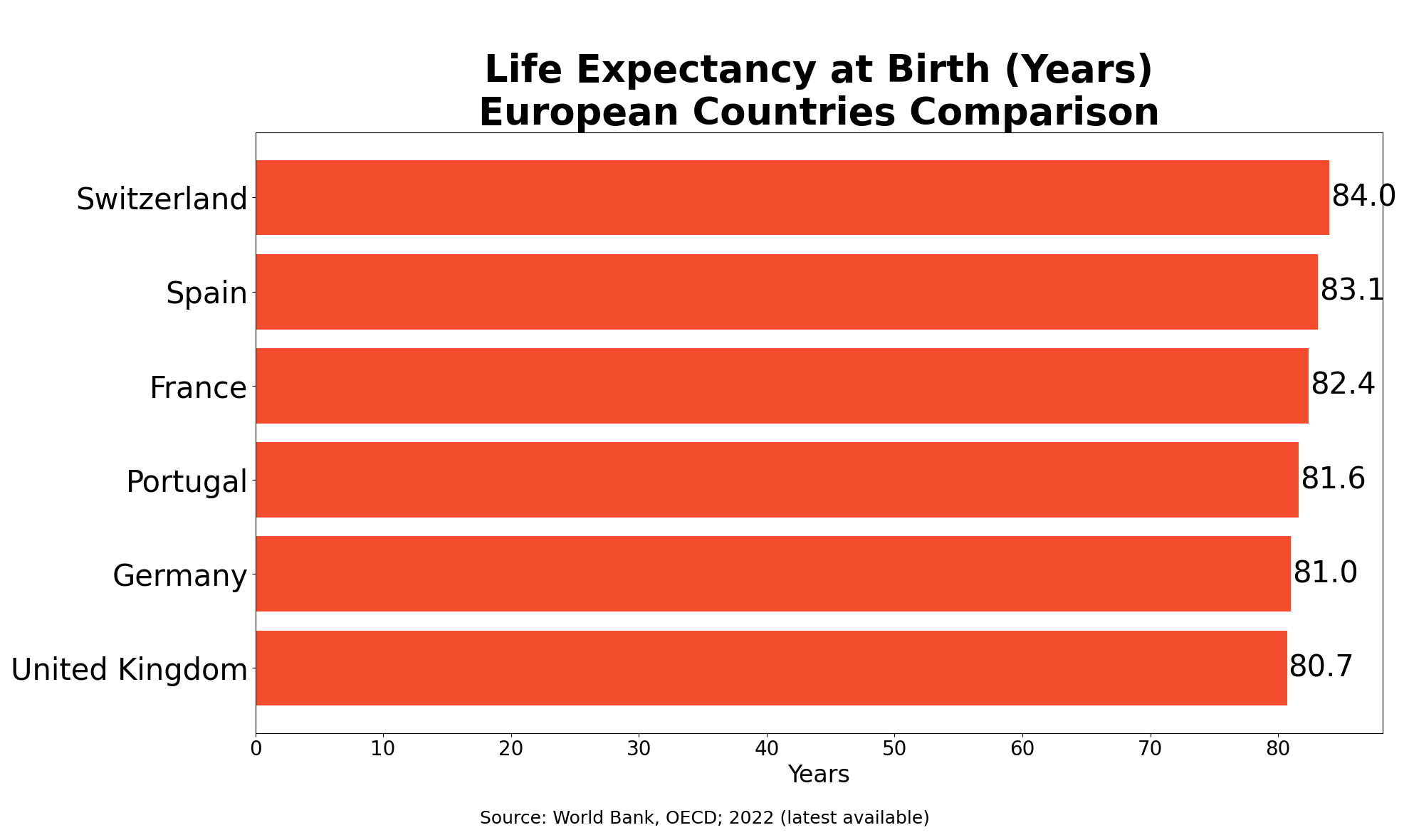
Many European countries strike a balance between taxation and services, offering moderate-to-high taxes with broadly accessible benefits.
🇩🇪 Germany combines strong public healthcare with vocational education systems that support workforce development.
🇫🇷 France provides extensive social services, including subsidized childcare and healthcare, funded by relatively high taxes.
🇵🇹 Portugal has become a hotspot for retirees, offering tax incentives alongside improving public services.
These systems aim for equity—ensuring most citizens receive a baseline of support.
An interesting note: France allocates over 30% of its GDP to public spending—the highest in the OECD—yet consistently ranks high in healthcare outcomes and quality of life.
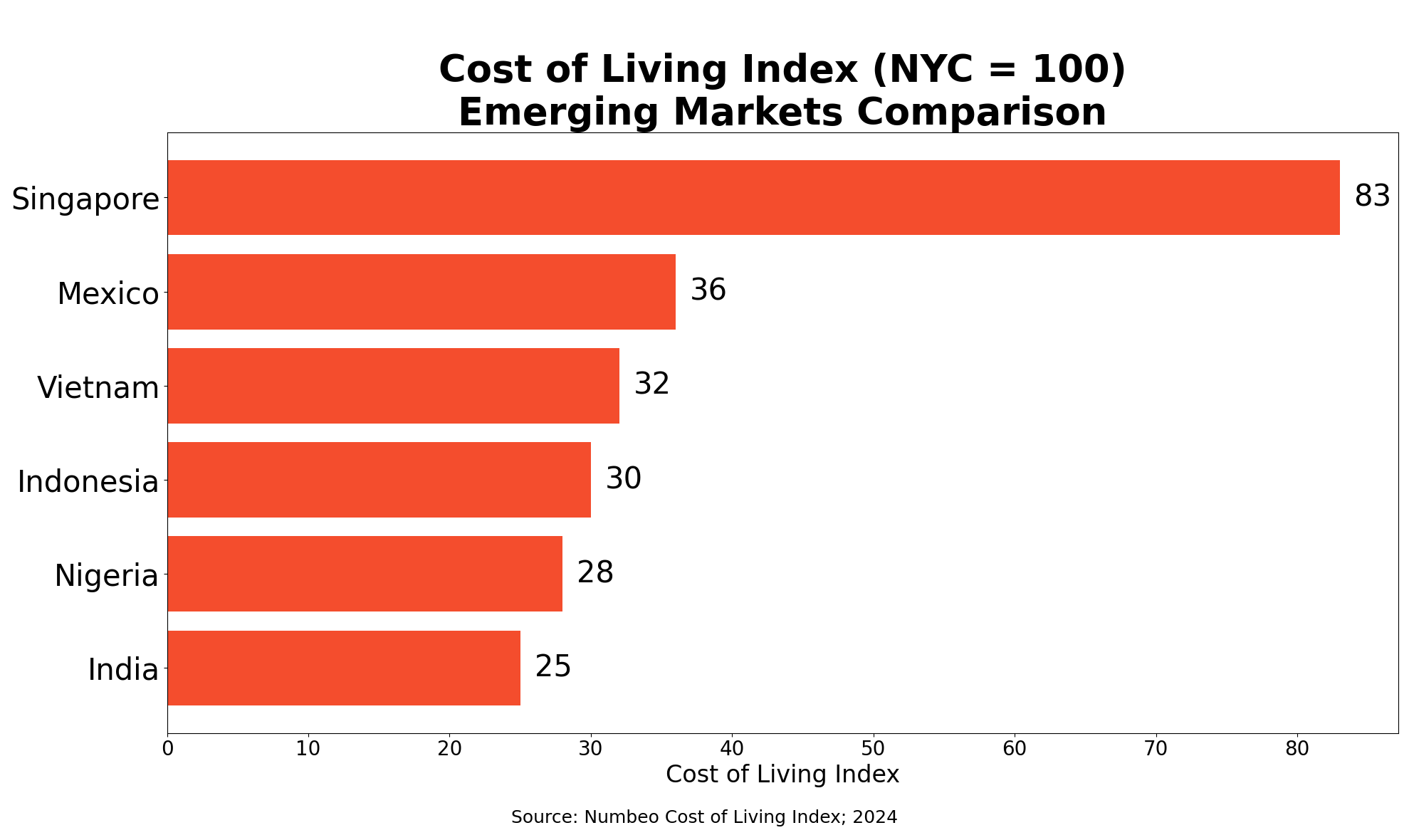
In many emerging economies, taxes are lower—but so are costs of living. The real question is how quickly public services are improving.
🇻🇳 Vietnam offers low taxes and rapidly expanding infrastructure, making it attractive for expats and investors.
🇲🇽 Mexico combines affordable living with improving healthcare options, especially in urban areas.
🇮🇳 India has relatively low tax rates but faces challenges in delivering consistent public services across regions.
These countries often present a “growth opportunity” for those willing to navigate variability.
A compelling trend: Vietnam’s middle class is projected to double by 2030, signaling increasing tax revenue—and potentially stronger public services ahead.
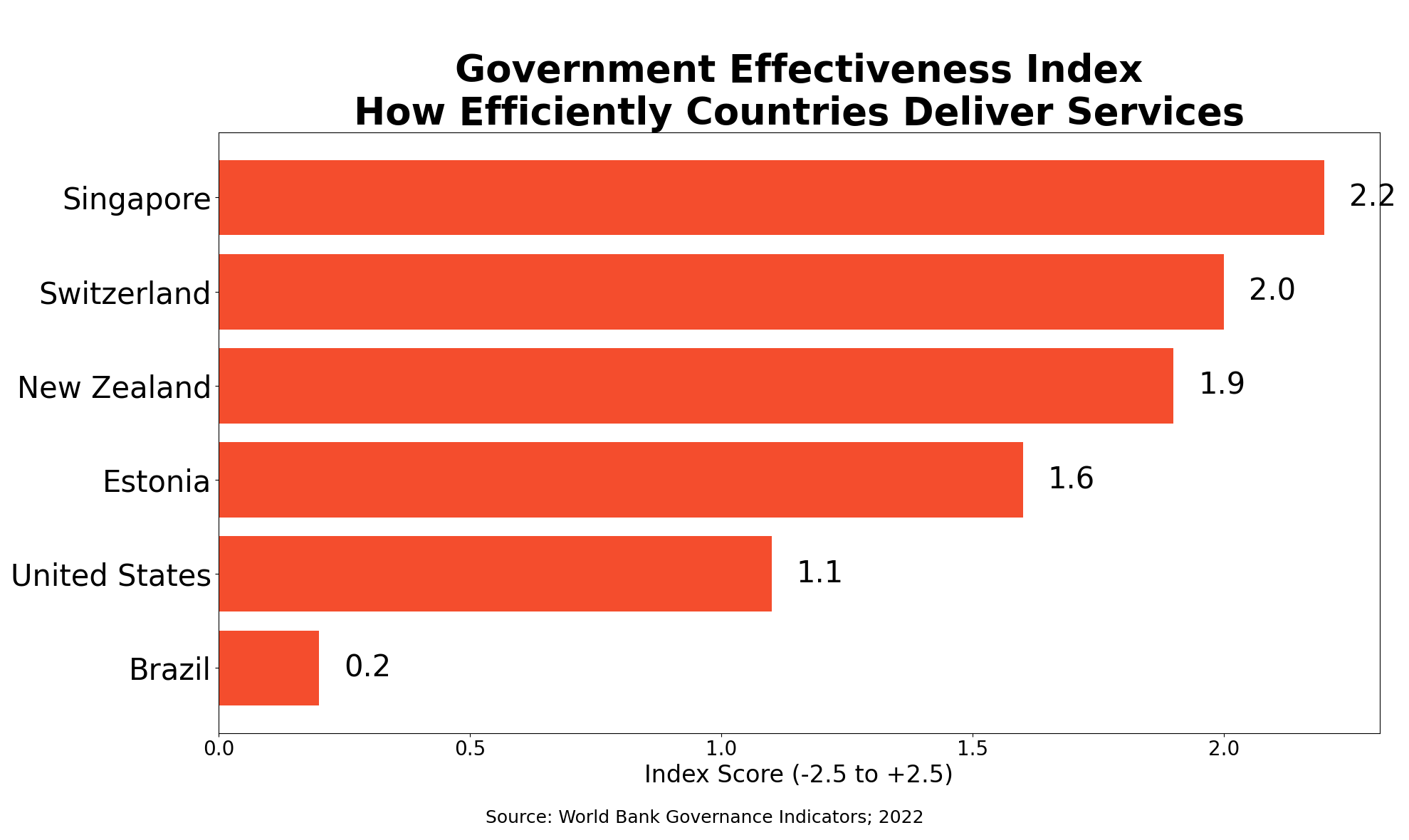
It’s not just how much is taxed—but how effectively it’s used. Some countries extract more value per dollar than others.
🇨🇭 Switzerland maintains relatively low taxes while delivering excellent public services through decentralized governance and local accountability.
🇳🇿 New Zealand is known for transparent budgeting and efficient public spending, consistently ranking high in government trust.
🇪🇪 Estonia has digitized much of its government, reducing administrative costs and improving service delivery.
Efficiency often comes down to governance, transparency, and innovation.
A fascinating fact: Estonia completes 99% of its public services online—saving both time and millions in administrative costs annually.
As economies evolve, so too does the role of taxation. Aging populations, technological disruption, and global mobility are reshaping how governments collect and spend.
🌍 Countries are experimenting with digital taxes and wealth taxes to capture new forms of income.
🤖 Automation may reduce income tax revenues, pushing governments to rethink funding models.
🏡 Remote work allows individuals to choose tax jurisdictions more freely than ever before.
The result? Increasing competition between countries—not just on tax rates, but on value delivered.
A forward-looking projection: By 2035, over 1 billion people could be classified as “digital nomads” or location-flexible workers, intensifying the global competition for taxpayers.
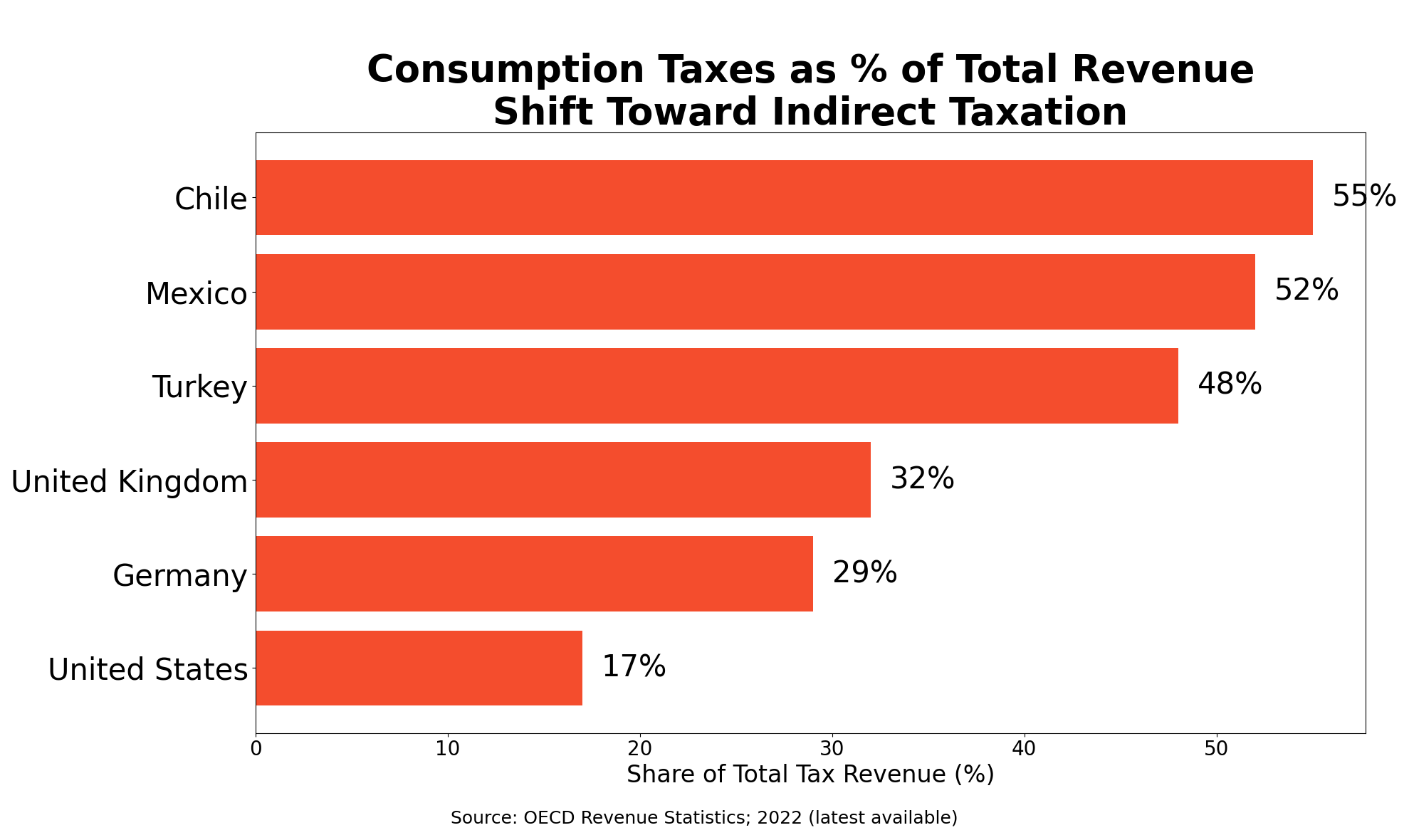
The chart below shows how countries are increasingly relying on consumption taxes (like VAT), which provide more stable and harder-to-avoid revenue than income taxes.
Taxes, at their core, are a reflection of priorities—both personal and national. Whether you seek security, freedom, or a balance of both, understanding what you receive in return is essential.
As you consider where to live, invest, or retire, the question isn’t simply “How much will I pay?”—but “What will I get in return?”
Stay curious, stay informed, and continue exploring the forces shaping your world.
Warm regards,
Shane Fulmer
Founder, WorldPopulationReview.com
P.S. Want to sponsor this newsletter? Reach 145,000+ global-minded readers — click here!