- World Population Review Newsletter
- Posts
- Can You Trust the Water? Global Rivers Revealed
Can You Trust the Water? Global Rivers Revealed
New global data shows which rivers give life—and which carry disease.

Philip Saparov
December 07, 2025
In partnership with

Greetings, curious mind in search of clarity,
Rivers reveal more than landscapes—they expose priorities. In some countries, they flow clean and life-giving. In others, they carry disease, waste, and warning signs.
Why the stark divide? Policy, pollution, and infrastructure—or the lack of it.
This edition charts the world’s cleanest and dirtiest rivers—and what they tell us about health, governance, and survival.
Let’s dive in.
Banish bad ads for good

Your site, your ad choices.
Don’t let intrusive ads ruin the experience for the audience you've worked hard to build.
With Google AdSense, you can ensure only the ads you want appear on your site, making it the strongest and most compelling option.
Don’t just take our word for it. DIY Eule, one of Germany’s largest sewing content creators says, “With Google AdSense, I can customize the placement, amount, and layout of ads on my site.”
Google AdSense gives you full control to customize exactly where you want ads—and where you don't. Use the powerful controls to designate ad-free zones, ensuring a positive user experience.
Some rivers are more than water—they are mirrors reflecting the success of long-term environmental foresight. Countries with the cleanest rivers share common traits: strict pollution controls, forested watersheds, and significant investment in sanitation infrastructure.
🇳🇿 New Zealand boasts some of the cleanest rivers on Earth, thanks to its low industrialization, aggressive freshwater reform plans, and a deep cultural commitment to protecting wai (water), rooted in Māori values.
🇨🇦 Canada’s Yukon and Ottawa rivers remain remarkably clean, due to low population density and robust water governance through the Canada Water Act.
🇫🇮 Finland stands out in Europe with its crystal-clear waterways, such as the Kemijoki River, aided by minimal agriculture runoff and top-tier water treatment plants.
💧 Final ripple: In Finland, nearly 100% of the population has access to safe drinking water sourced from rivers or lakes—a rare achievement even among developed nations.
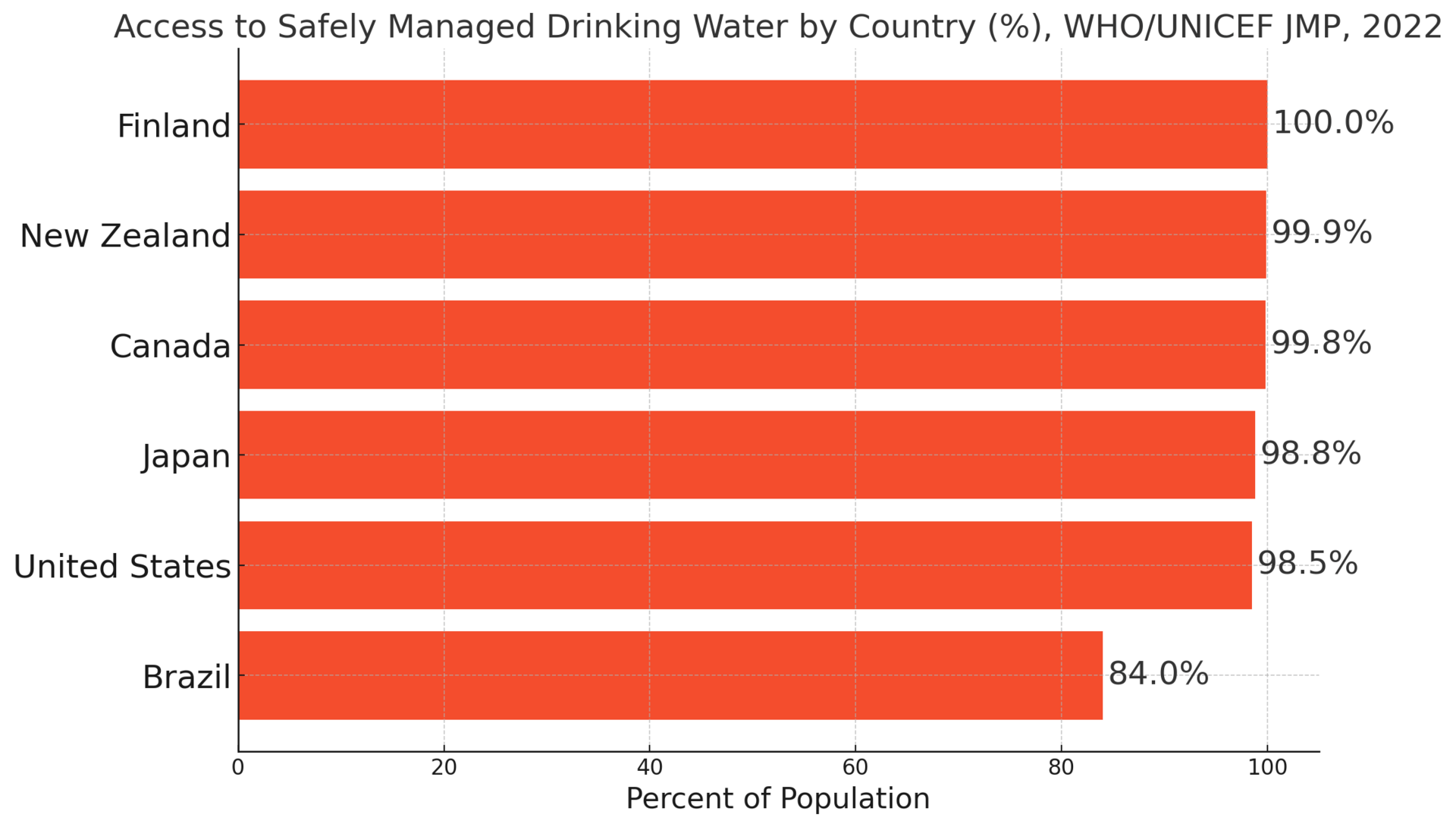
On the opposite end of the spectrum lie rivers so polluted they are dangerous to touch. Here, unregulated industry, insufficient sanitation, and explosive urban growth have turned waterways into public health hazards.
🇮🇳 The Ganges, sacred to millions, is one of the world’s most contaminated rivers. It receives 1.3 billion liters of raw sewage daily—despite multiple billion-dollar cleanup efforts.
🇮🇩 Indonesia’s Citarum River carries heavy metals, dyes, and industrial waste through communities that still rely on it for daily needs.
🇧🇩 Bangladesh’s Buriganga is suffocating from untreated tannery waste and plastic, turning once-lively banks into dead zones.
📉 Sobering stat: An estimated 80% of wastewater globally is discharged untreated into rivers or seas. The poorest populations often suffer the most from this invisible crisis.
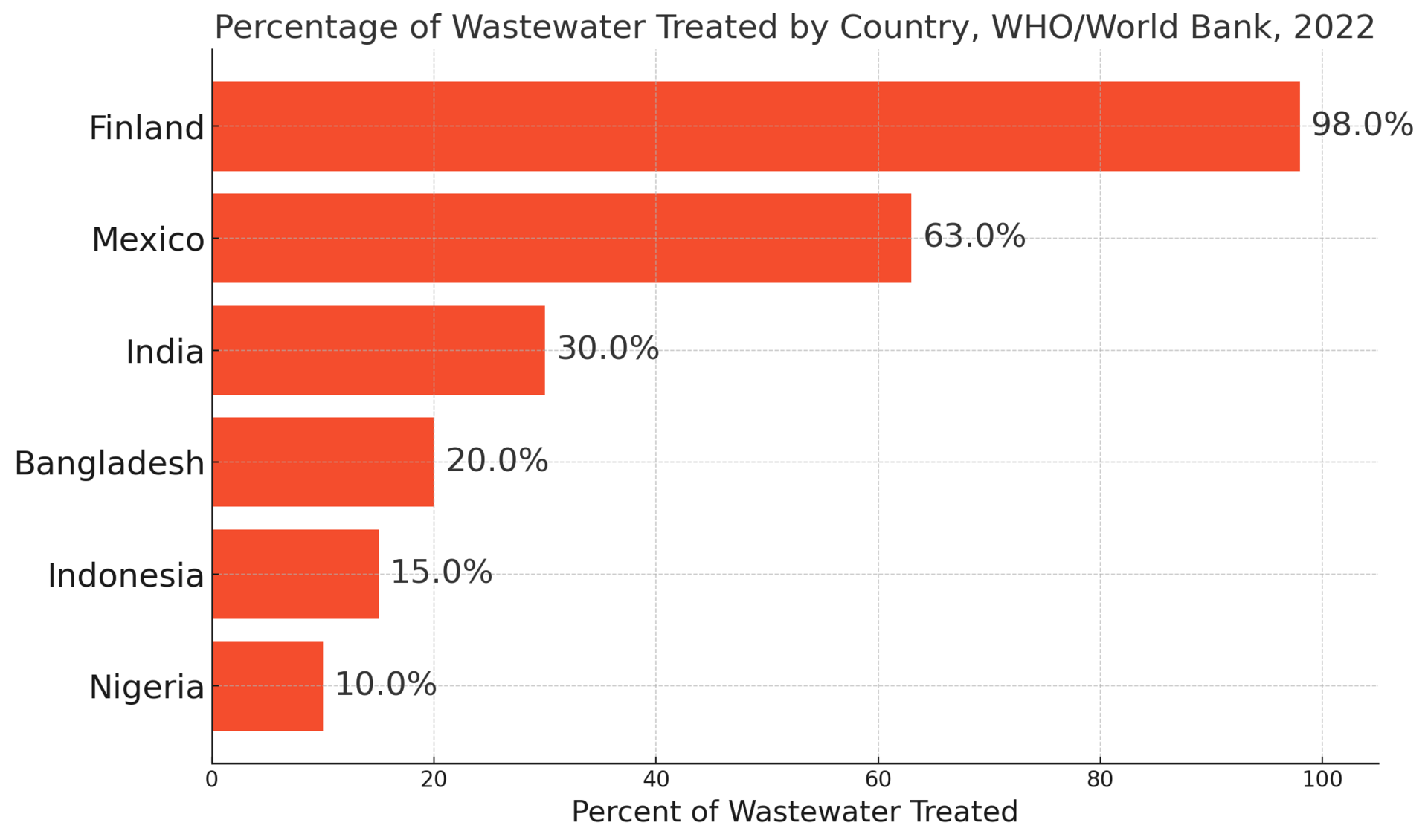
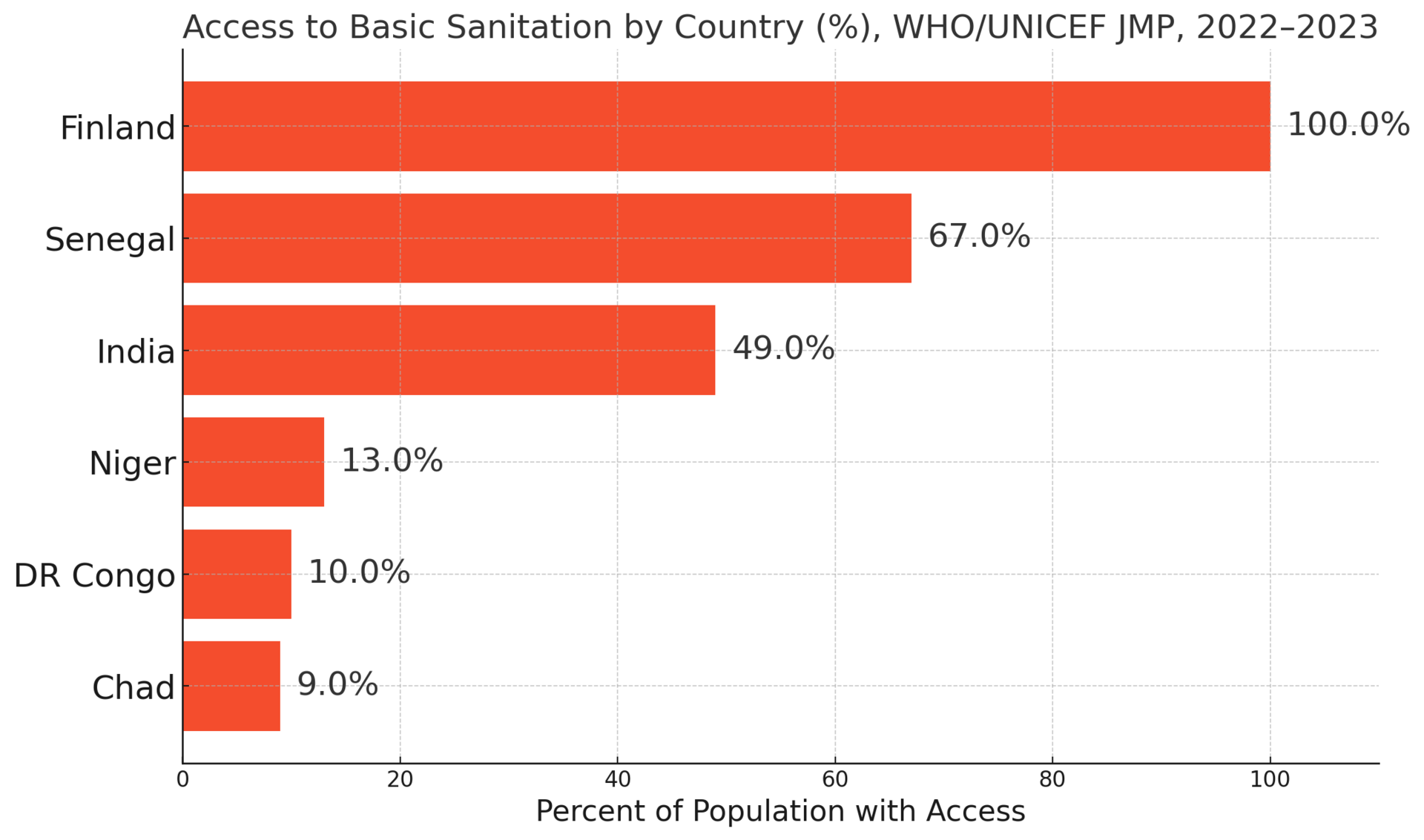
In many regions, the quality of river water directly correlates with disease outbreaks, especially in areas lacking widespread sanitation infrastructure. The World Health Organization estimates over 500,000 diarrheal deaths each year due to poor water, sanitation, and hygiene.
🇳🇪 In Niger, where only 13% of the population has access to basic sanitation, rivers are the main water source but also major disease vectors.
🇨🇩 The Democratic Republic of Congo, rich in water resources, faces waterborne diseases like cholera due to untreated river use in rural areas.
🇸🇳 Senegal has made improvements by investing in decentralized sanitation in villages along the Senegal River, leading to a decline in river-linked disease.
🦠 Health insight: Nearly 90% of child deaths from diarrhea are linked to unsafe water or sanitation—highlighting the life-or-death importance of river quality.
Stop Drowning In AI Information Overload

Your inbox is flooded with newsletters. Your feed is chaos. Somewhere in that noise are the insights that could transform your work—but who has time to find them?
The Deep View solves this. We read everything, analyze what matters, and deliver only the intelligence you need. No duplicate stories, no filler content, no wasted time. Just the essential AI developments that impact your industry, explained clearly and concisely.
Replace hours of scattered reading with five focused minutes. While others scramble to keep up, you'll stay ahead of developments that matter. 600,000+ professionals at top companies have already made this switch.
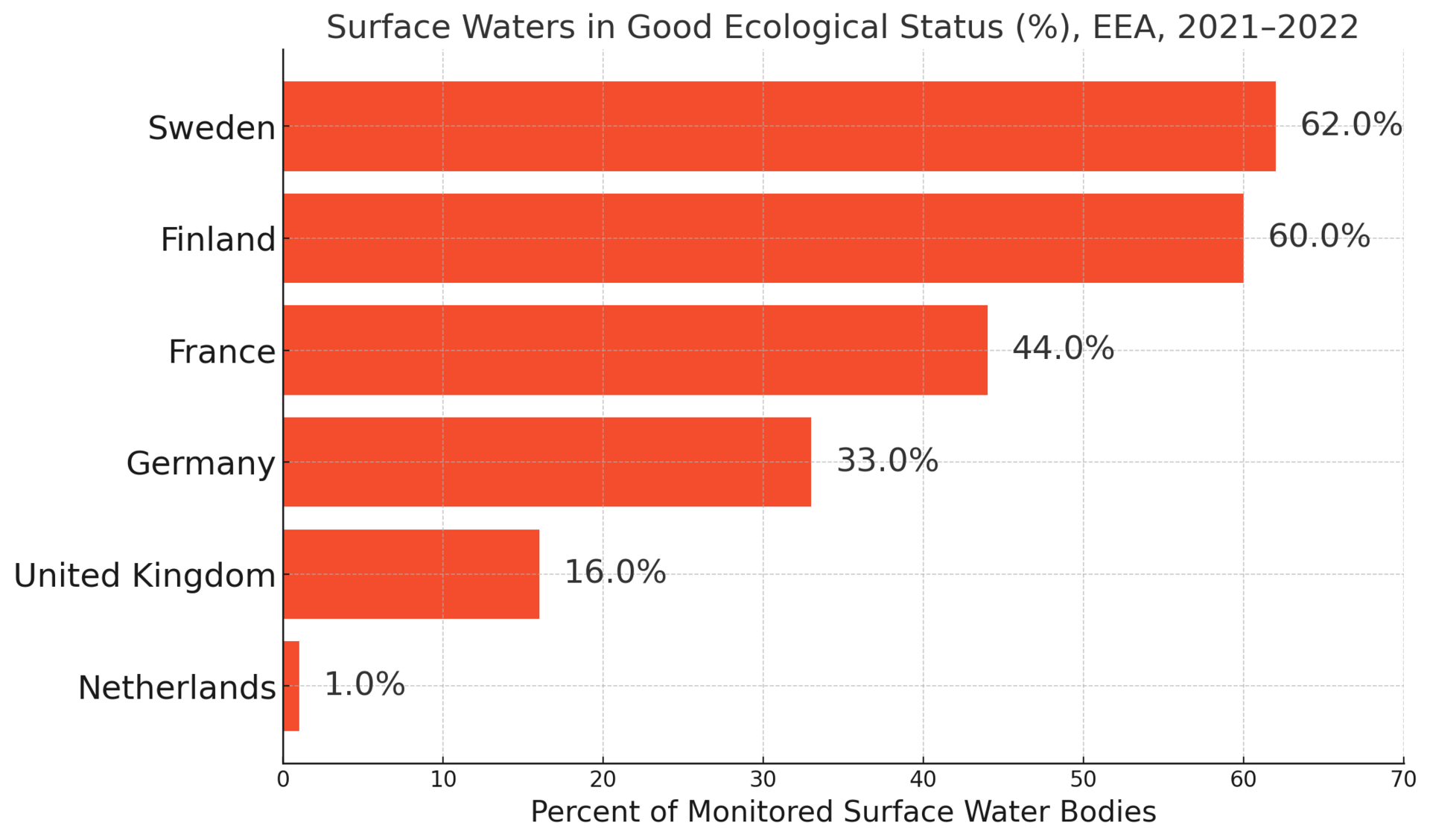
Europe’s rivers were once filthy lifelines of the Industrial Revolution. Today, thanks to strong environmental regulation, many are making a comeback—but challenges remain.
🇩🇪 Germany’s Rhine, once declared "biologically dead," now teems with life thanks to coordinated cross-border restoration efforts.
🇬🇧 The Thames was so polluted in the 1800s it was described as a “dead river.” Today, it supports over 125 species of fish—though recent sewage discharges raise fresh concerns.
🇸🇪 Sweden maintains some of Europe’s cleanest rivers, using hydropower dams and strict regulations to limit industrial impact.
🌍 Interesting note: The EU Water Framework Directive, passed in 2000, requires all member states to ensure their rivers reach “good ecological status”—a rare example of supranational environmental law.
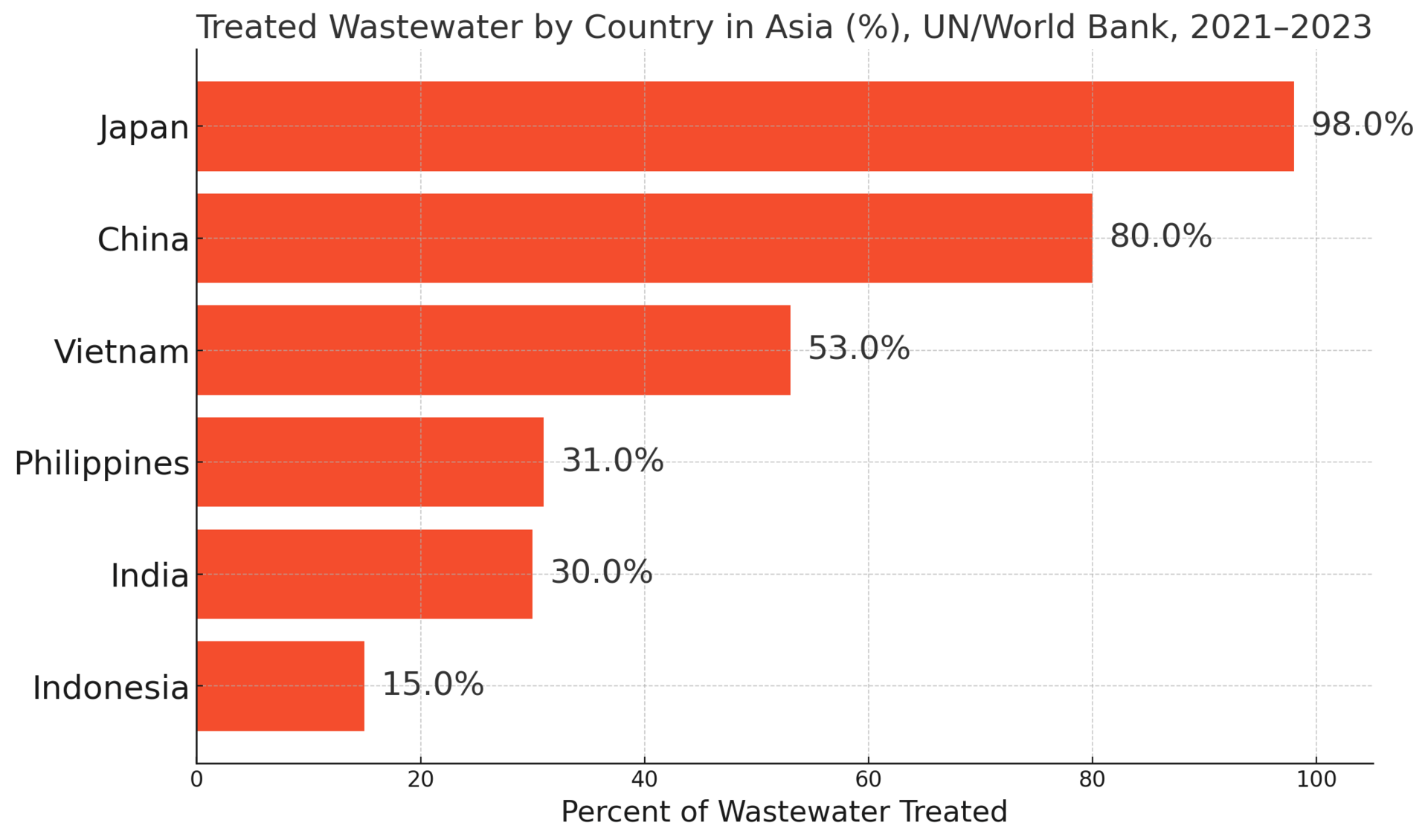
Asia is home to both the cleanest alpine rivers and the most polluted industrial ones—sometimes within the same country. Rapid development and population density have strained water systems to breaking points.
🇨🇳 China’s Yangtze River was once a lifeline; now, nutrient overloads and microplastics pose enormous ecological risks despite massive cleanup campaigns.
🇯🇵 Japan’s rivers, such as the Shimanto, are renowned for clarity and biodiversity—benefiting from early pollution control and a culture of river reverence.
🇻🇳 In Vietnam, the Mekong is vital yet threatened by upstream dams and agricultural runoff, leading to both flooding and contamination crises.
⚠️ Future tension: By 2050, 1 in 4 people in Asia may face water scarcity—even as their rivers flood unpredictably due to climate shifts.
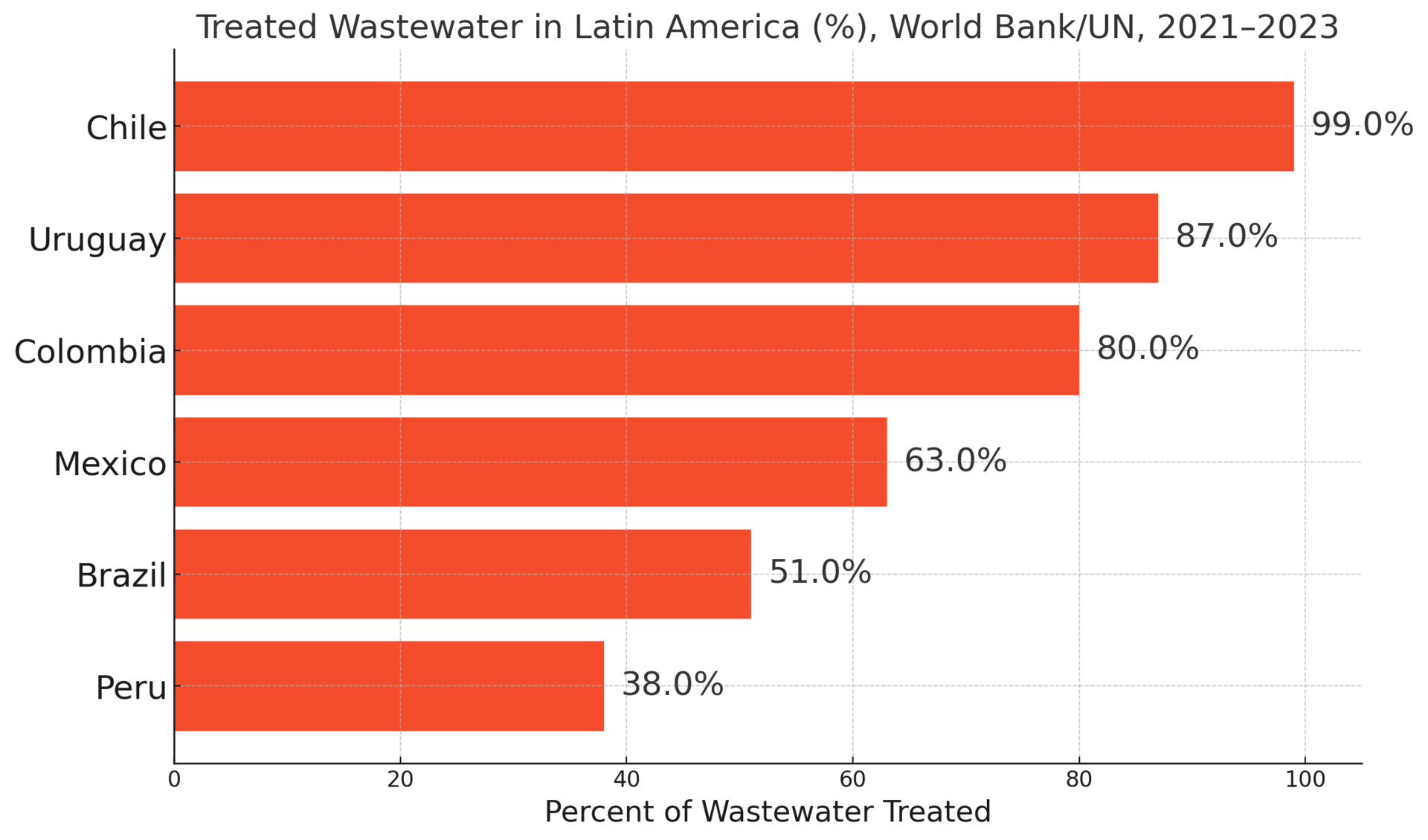
From rainforest rivers to polluted megacity waters, Latin America’s rivers reflect its stark development divides. Environmental protections often take a backseat to economic urgency.
🇧🇷 Brazil’s Amazon River is still relatively clean in remote areas, but deforestation and mining are threatening its purity, especially near gold extraction zones.
🇲🇽 Mexico’s Lerma River is biologically uninhabitable along much of its stretch, contaminated by waste from over 700 industrial plants.
🇨🇱 Chile’s Baker River remains one of the most untouched, helped by Patagonia’s isolation and a strong anti-dam movement.
🧪 Hidden hazard: Mercury levels in some Amazon tributaries have reached 10 times safe limits due to illegal mining—poisoning fish and humans alike.
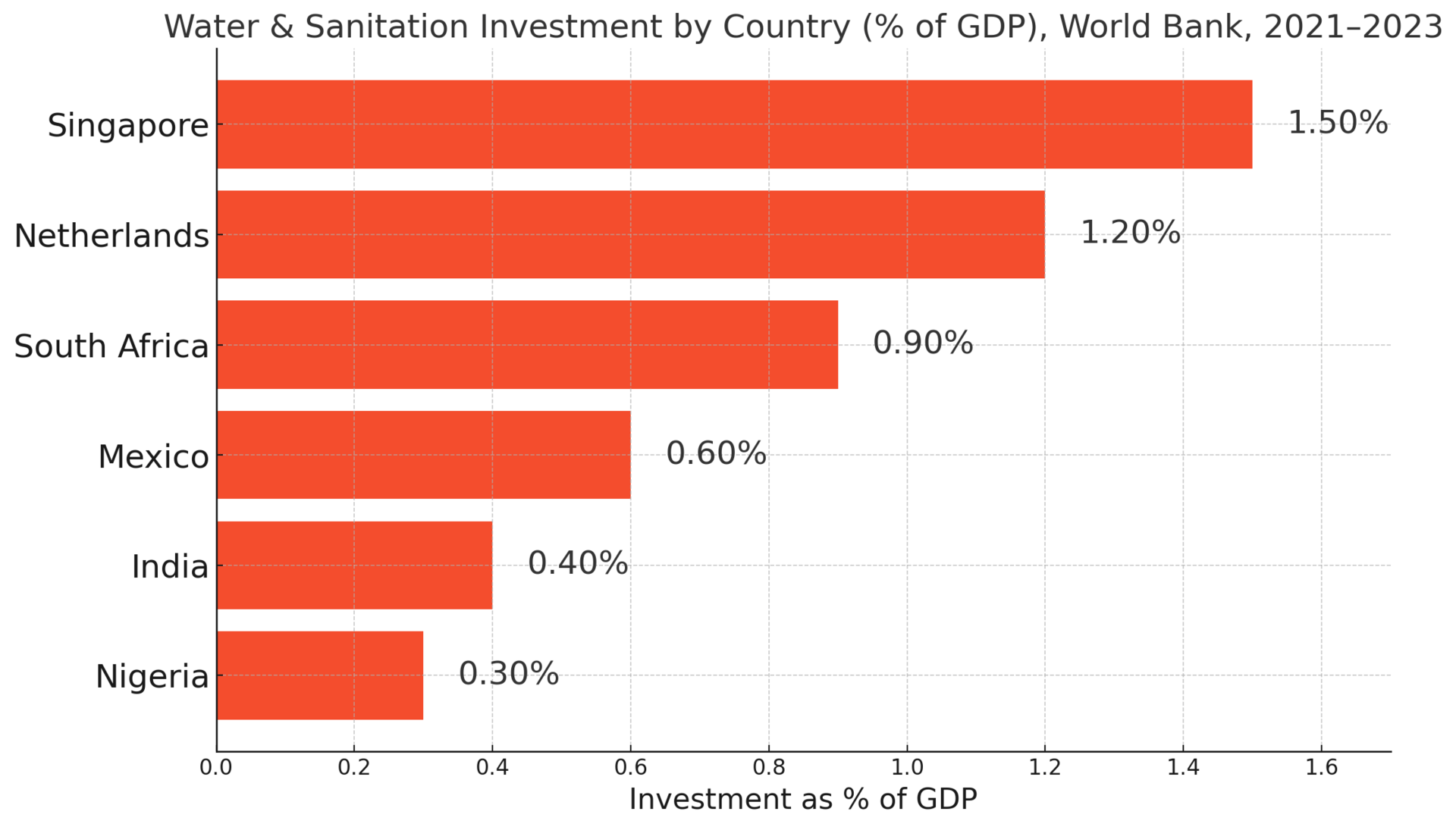
Despite bleak headlines, there is hope. Nations, cities, and grassroots movements are proving that river recovery is possible with the right mix of policy, technology, and citizen action.
🇿🇦 In South Africa, Cape Town’s efforts to treat sewage and limit river runoff have turned around water quality in the Liesbeek River.
🇸🇬 Singapore, though highly urbanized, turned the once-polluted Kallang Basin into a clean water reservoir through the ABC Waters Program.
🇳🇱 The Netherlands uses a concept called “Room for the River,” redesigning landscapes to reduce flooding and improve water quality simultaneously.
🌱 Powerful prediction: According to UN estimates, every $1 invested in clean water yields $4 in economic return—from reduced healthcare costs to boosted productivity.
Rivers are reflections of policy, culture, and collective priorities. Some countries have chosen vigilance and stewardship; others, neglect. But the good news is this: rivers can recover.
They show us that change is always flowing—sometimes slow, sometimes sudden—but never stagnant.
Stay informed. Stay curious. And remember, each drop counts.
Warm regards,
Shane Fulmer
Founder, WorldPopulationReview.com
P.S. Want to sponsor this newsletter? Reach 139,000+ global-minded readers — click here!