- World Population Review Newsletter
- Posts
- Escape the Rat Race? These Countries Already Did
Escape the Rat Race? These Countries Already Did
These joyful nations traded status for simplicity—and found freedom.

Philip Saparov
December 02, 2025
In partnership with

Greetings, curious mind in search of true wealth—
What if the secret to happiness had nothing to do with money?
Across the globe, some of the least affluent nations are among the most content. No luxury. No status games. Just strong community, deep purpose, and simple living.
This edition explores the places where joy defies GDP—and reveals what they can teach us about living better, not just richer.
Let’s dive in.
Missed OpenAI? The Clock Is Ticking on RAD Intel’s Round

Ground floor opportunity on predictive AI for ROI-based content.
RAD Intel is already trusted by a who’s-who of Fortune 1000 brands and leading global agencies with recurring seven-figure partnerships in place.
$50M+ raised. 10,000+ investors. Valuation up 4,900% in four years*.
Backed by Adobe and insiders from Google. Invest now.
This is a paid advertisement for RAD Intel made pursuant to Regulation A+ offering and involves risk, including the possible loss of principal. The valuation is set by the Company and there is currently no public market for the Company's Common Stock. Nasdaq ticker “RADI” has been reserved by RAD Intel and any potential listing is subject to future regulatory approval and market conditions. Investor references reflect factual individual or institutional participation and do not imply endorsement or sponsorship by the referenced companies. Please read the offering circular and related risks at invest.radintel.ai.
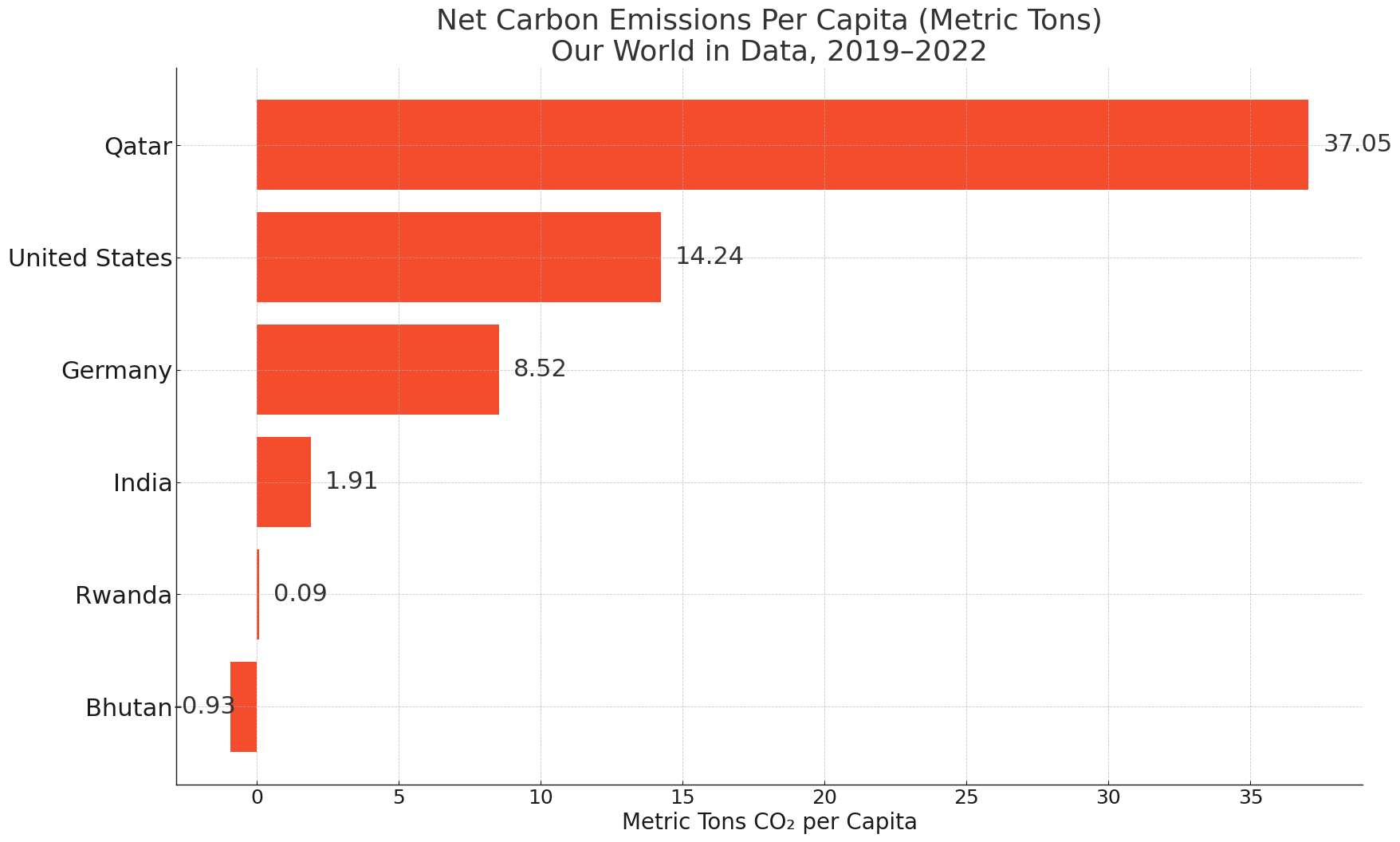
Tucked between India and China, Bhutan has long puzzled economists—and inspired idealists. This Himalayan kingdom doesn’t measure progress by GDP but by Gross National Happiness (GNH), a policy framework that prioritizes psychological well-being, environmental conservation, and cultural preservation.
Remarkably, Bhutan ranks high in life satisfaction despite having one of Asia’s lowest per capita incomes. Why? A strong emphasis on community, nature, and spirituality forms the backbone of daily life. Health care and education are free. Forests are protected by law. And Buddhist values emphasize mindfulness and compassion over competition.
Putting it into perspective: Bhutan’s carbon-negative status and focus on collective well-being offer a striking contrast to consumer-driven societies. It’s a model that invites the question—what if success wasn’t just about more, but about enough?
🔎 Unexpected stat: Bhutan is the only country in the world that absorbs more carbon than it emits.
Costa Rica doesn’t just boast pristine beaches and lush jungles—it also regularly outranks wealthier nations in global happiness rankings. With a GDP per capita about a quarter of the U.S., Costa Ricans nonetheless report some of the world’s highest life satisfaction scores.
The secret? A deep-rooted cultural ethos of Pura Vida—“pure life”—which celebrates simplicity, family, and connection to nature. The country abolished its military in 1949, redirecting funds toward universal healthcare, public education, and environmental protection.
Costa Rica also leads the world in renewable energy usage, with over 98% of its electricity coming from clean sources. Residents enjoy long life expectancy, low stress levels, and a culture that favors collective well-being over cutthroat individualism.
📈 Surprising insight: Life expectancy in Costa Rica (80.6 years) rivals that of the U.S.—despite spending 7x less per capita on healthcare.

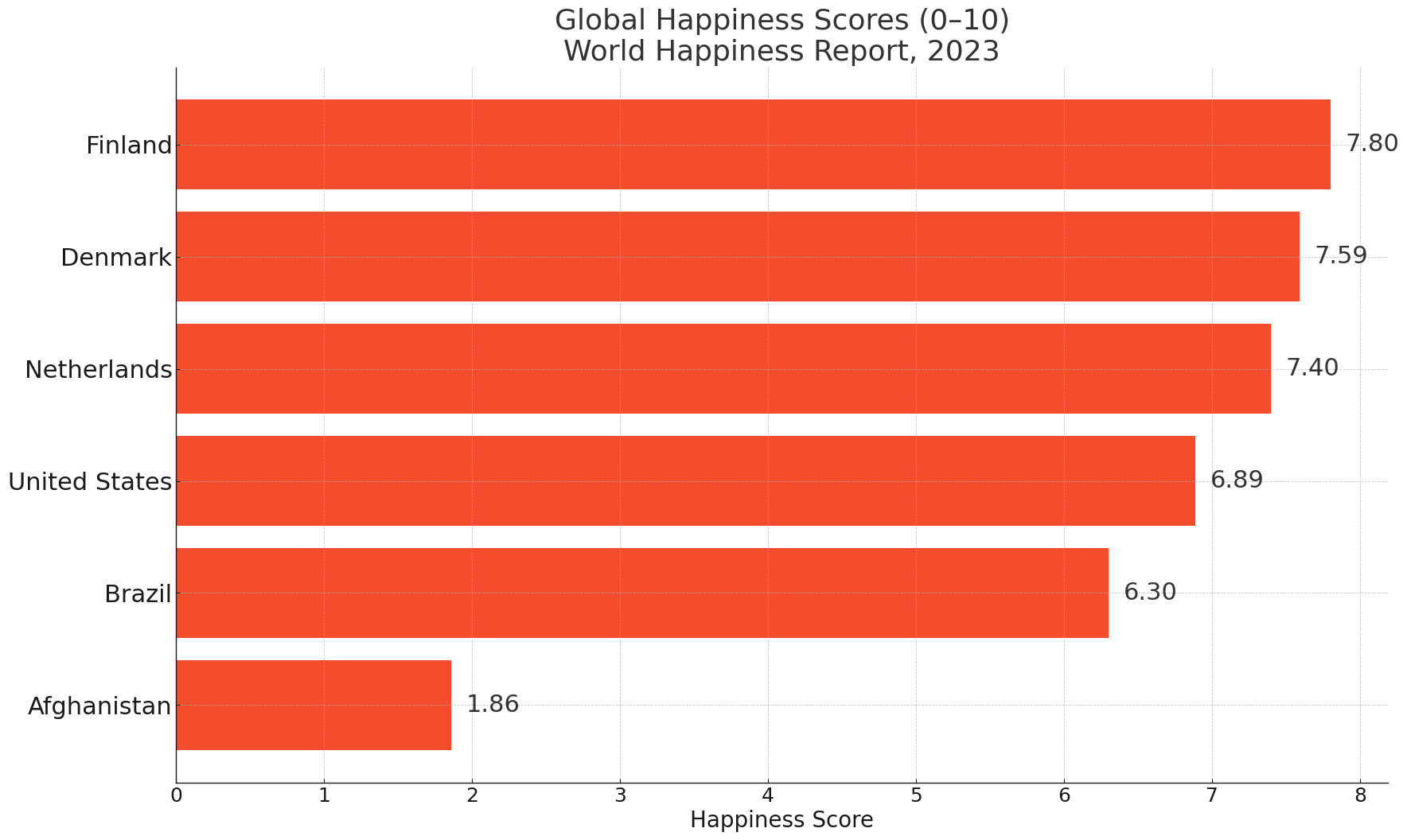
For the sixth year running, Finland has been ranked the happiest country in the world by the UN’s World Happiness Report. And yet, this quiet Nordic nation isn’t driven by extravagant wealth.
What it has instead is trust—between citizens, in government, and in institutions. Finland ranks near the top in education, press freedom, and perceived safety. The Finnish lifestyle emphasizes nature, solitude, and social equality.
Interestingly, Finns are not known for overt cheerfulness. Their happiness is more about life satisfaction and low stress, not constant joy. Government-funded healthcare and education remove major life burdens. Saunas, forests, and communal rituals foster connection.
🧊 Counterintuitive truth: Finland’s winters are long and dark—yet rates of depression are among the lowest in Europe.
Banish bad ads for good

Google AdSense's Auto ads lets you designate ad-free zones, giving you full control over your site’s layout and ensuring a seamless experience for your visitors. You decide what matters to your users and maintain your site's aesthetic. Google AdSense helps you balance earning with user experience, making it the better way to earn.
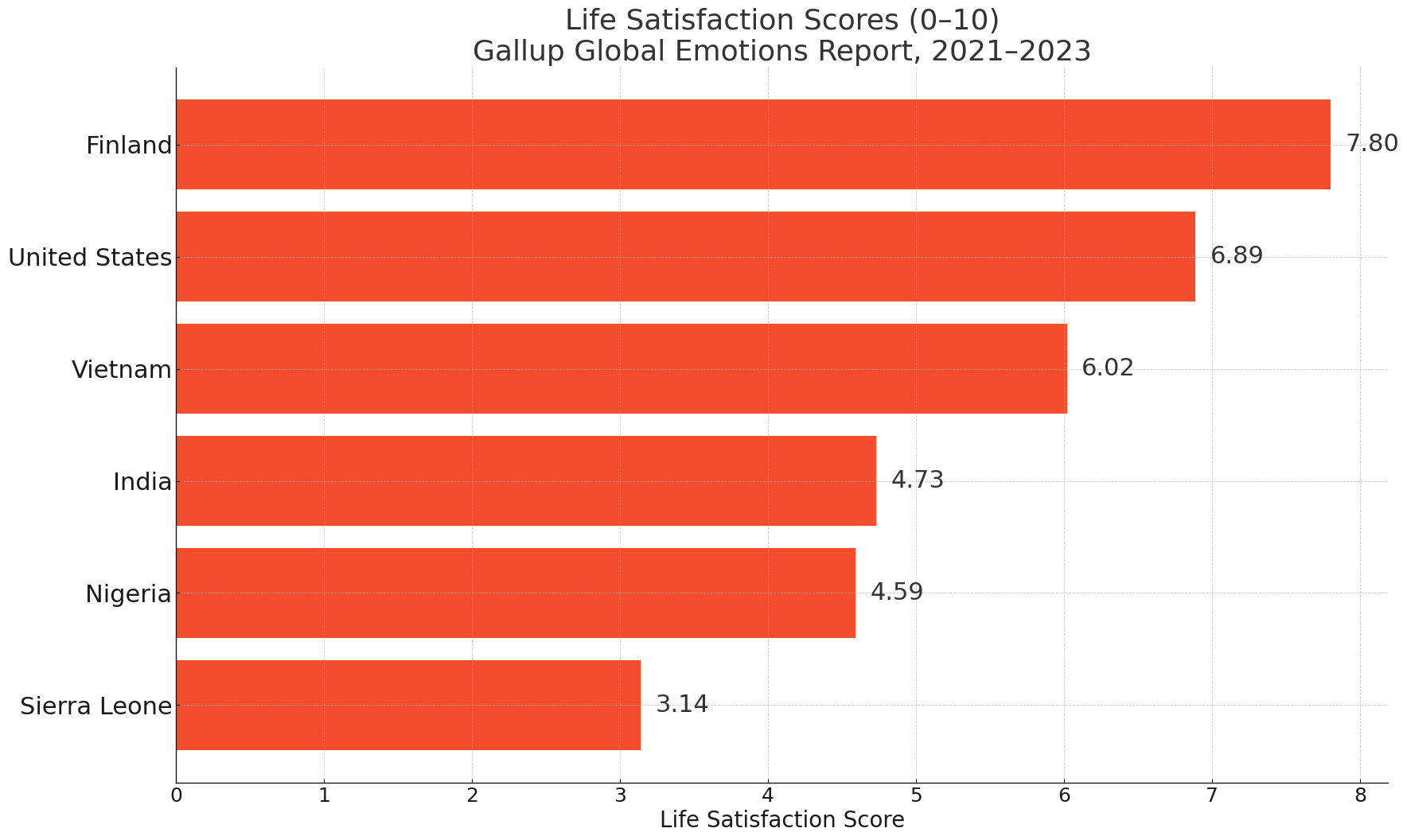
Vietnam, with a per capita GDP of just around $4,100, consistently ranks higher in happiness than many far wealthier nations. How? Strong family networks, low crime rates, and an active street-life culture foster a sense of belonging and daily joy.
In rural areas, multigenerational households remain common. In cities, neighbors often gather over fresh meals and public dances in open parks. The country’s fast-growing economy hasn’t (yet) eroded its cultural cohesion or social fabric.
Healthcare is accessible, and cost of living is low, making life less financially stressful. Even during economic hardship, Vietnamese people have shown remarkable optimism and resilience—traits closely tied to subjective well-being.
🌱 Noteworthy trend: Vietnam ranked in the top 5 globally for life satisfaction among low-income countries, according to Gallup.
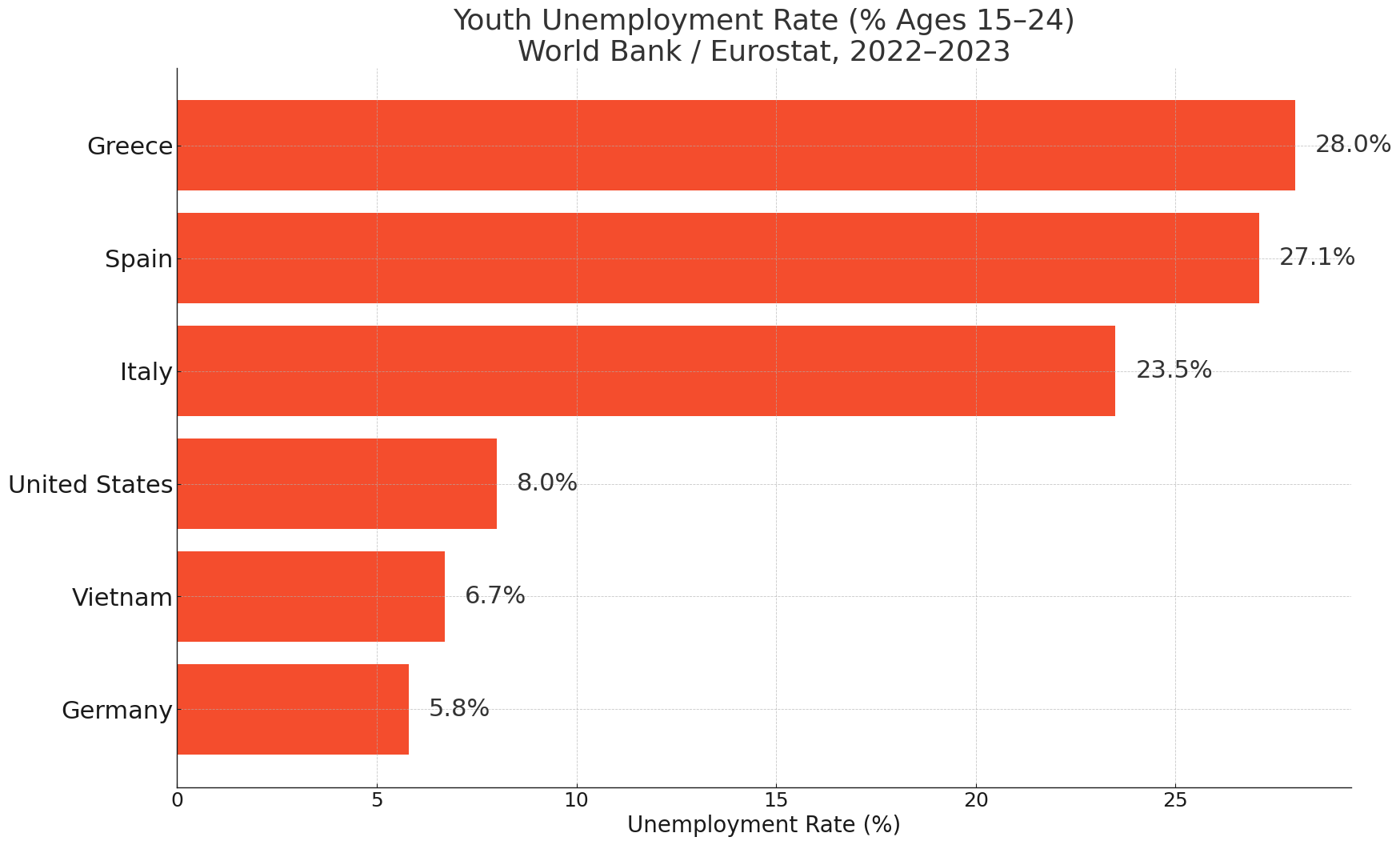
After a brutal debt crisis and years of austerity, Greece might seem an unlikely happiness contender. Yet today, life satisfaction is rising steadily—not because of wealth, but because of reconnection.
Greeks have leaned into the power of community, food, nature, and family. Many young adults returned to rural villages, where cost of living is lower and social ties are stronger. Elderly care is family-based, and meal times are long, social affairs.
Despite economic scars, life in Greece has slowed down in meaningful ways. There's less rush, more conversation, and a growing wellness tourism industry centered on natural healing and ancient practices.
📚 Historic echo: The Greek word “eudaimonia” means human flourishing—and it remains deeply embedded in the culture today.
With a GDP per capita under $600, Malawi ranks among the poorest nations on Earth—but it also ranks high in reported happiness. How is that possible?
Malawi’s secret lies in its strong sense of community and family. Social bonds are deep, and mutual support is a way of life. While material resources are scarce, emotional wealth is abundant.
Children play freely in open spaces, and traditional music and dance remain central to social life. Volunteering and community care are everyday activities. Local leaders are trusted, and spirituality plays a key role in resilience.
💡 Curious fact: Malawi’s nickname is “The Warm Heart of Africa,” a title earned by its citizens’ hospitality—often cited in global surveys of kindness and generosity.
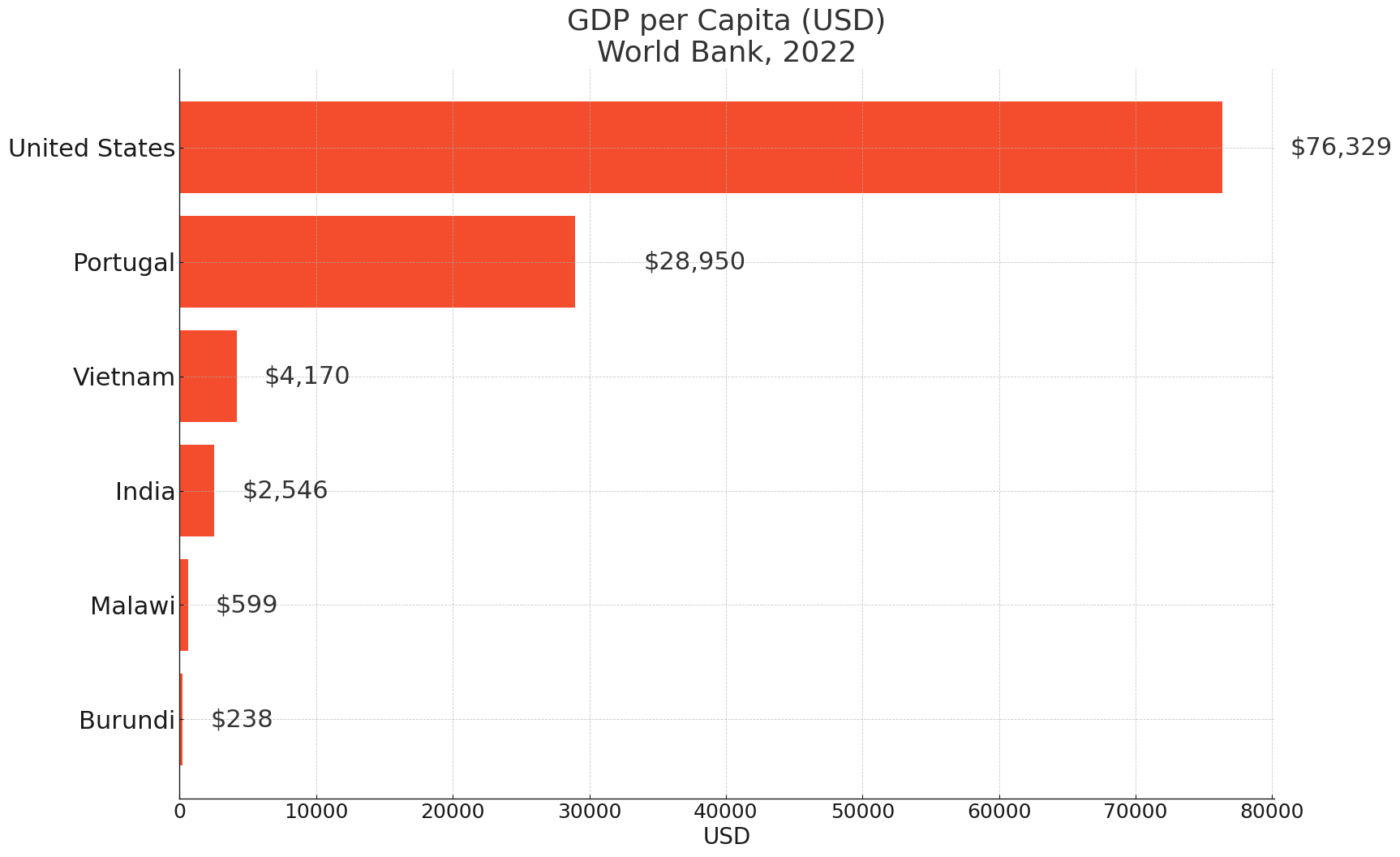
Portugal has quietly become one of Europe’s most attractive places to live—especially for retirees seeking more for less. Its cost of living is low, healthcare is highly ranked, and the pace of life is refreshingly slow.
Despite a modest GDP, Portugal’s people consistently report high life satisfaction. A Mediterranean diet, seaside towns, and strong family culture all play a role. The Portuguese government also supports mental health care and has one of the most progressive drug policies in the world—reducing harm rather than criminalizing it.
The country ranks high in safety and walkability, making it ideal for those seeking community-centered, stress-reduced lifestyles.
🌍 Surprising shift: Portugal now hosts over 300,000 foreign residents—many drawn by its reputation for safety, kindness, and well-being over wealth.
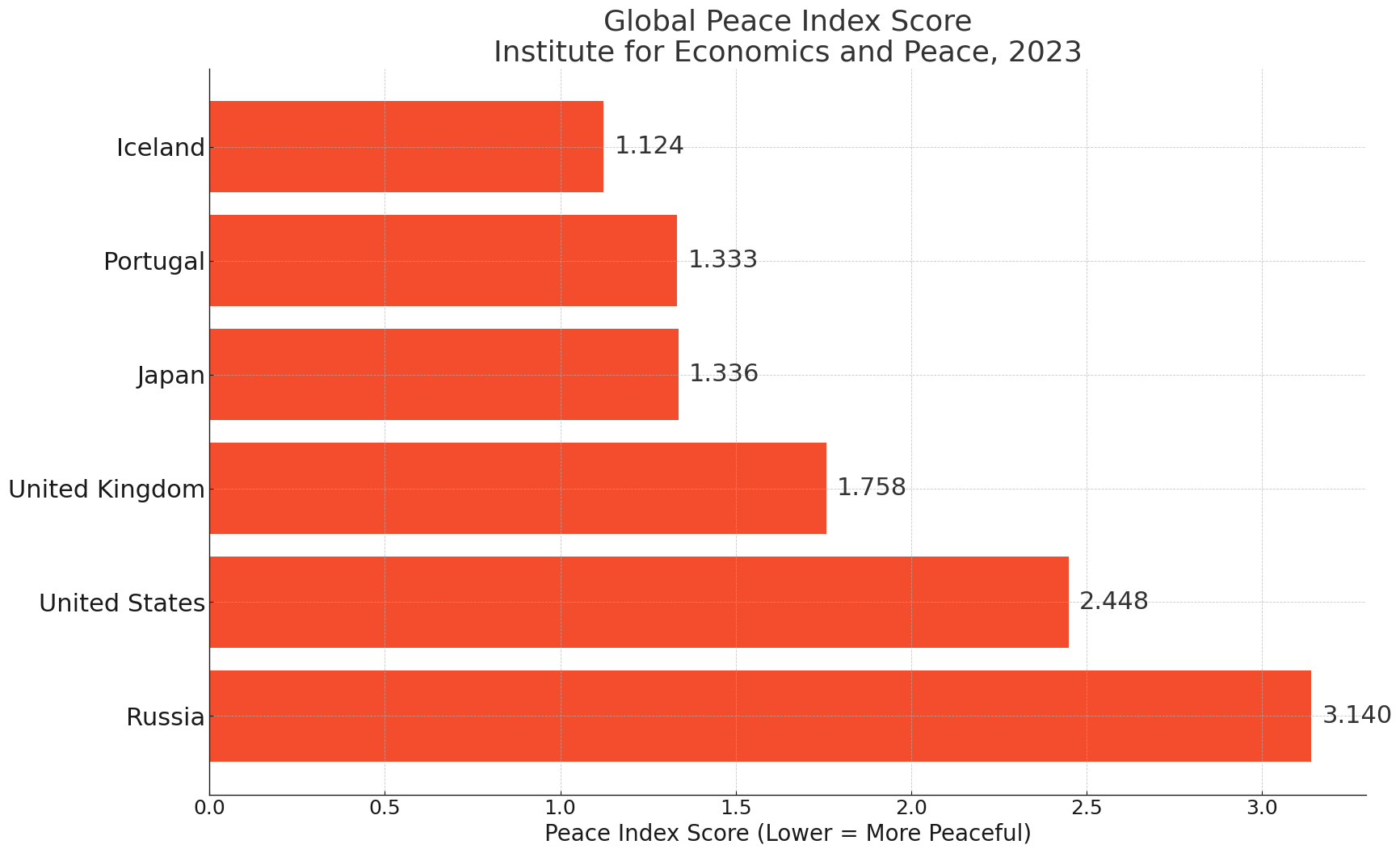
In a world chasing more, these nations remind us: the richest lives aren’t always the ones with the most money.
They’re built on time well spent, people you trust, and a purpose that pulls you forward.
Whether you're planning a move, a new chapter, or just a better way to live—these places offer a powerful blueprint.
Stay sharp. Stay curious. And keep asking the only question that really matters: What does a good life mean—to you?
Warm regards,
Shane Fulmer
Founder, WorldPopulationReview.com
P.S. Want to sponsor this newsletter? Reach 139,000+ global-minded readers — click here!