- World Population Review Newsletter
- Posts
- How Geothermal Is Quietly Reshaping Power
How Geothermal Is Quietly Reshaping Power
From Iceland to Indonesia, seven nations redefine the energy map.

Philip Saparov
January 30, 2026
In partnership with

Greetings, restless mind tuned to the world’s shifting core—
While solar panels chase the sun and turbines ride the wind, a quieter force is rising from below. Geothermal energy—steady, untapped, and surging onto the global stage—is rewriting the future of power.
This week, we uncover seven nations drilling deep and dreaming big. From volcanic islands to tectonic frontiers, these countries are turning the Earth's inner fire into real-world fuel.
Let’s dig in.
What Will Your Retirement Look Like?

Planning for retirement raises many questions. Have you considered how much it will cost, and how you’ll generate the income you’ll need to pay for it? For many, these questions can feel overwhelming, but answering them is a crucial step forward for a comfortable future.
Start by understanding your goals, estimating your expenses and identifying potential income streams. The Definitive Guide to Retirement Income can help you navigate these essential questions. If you have $1,000,000 or more saved for retirement, download your free guide today to learn how to build a clear and effective retirement income plan. Discover ways to align your portfolio with your long-term goals, so you can reach the future you deserve.
It’s hard to talk geothermal without invoking Iceland—a literal hotspot for subterranean innovation.
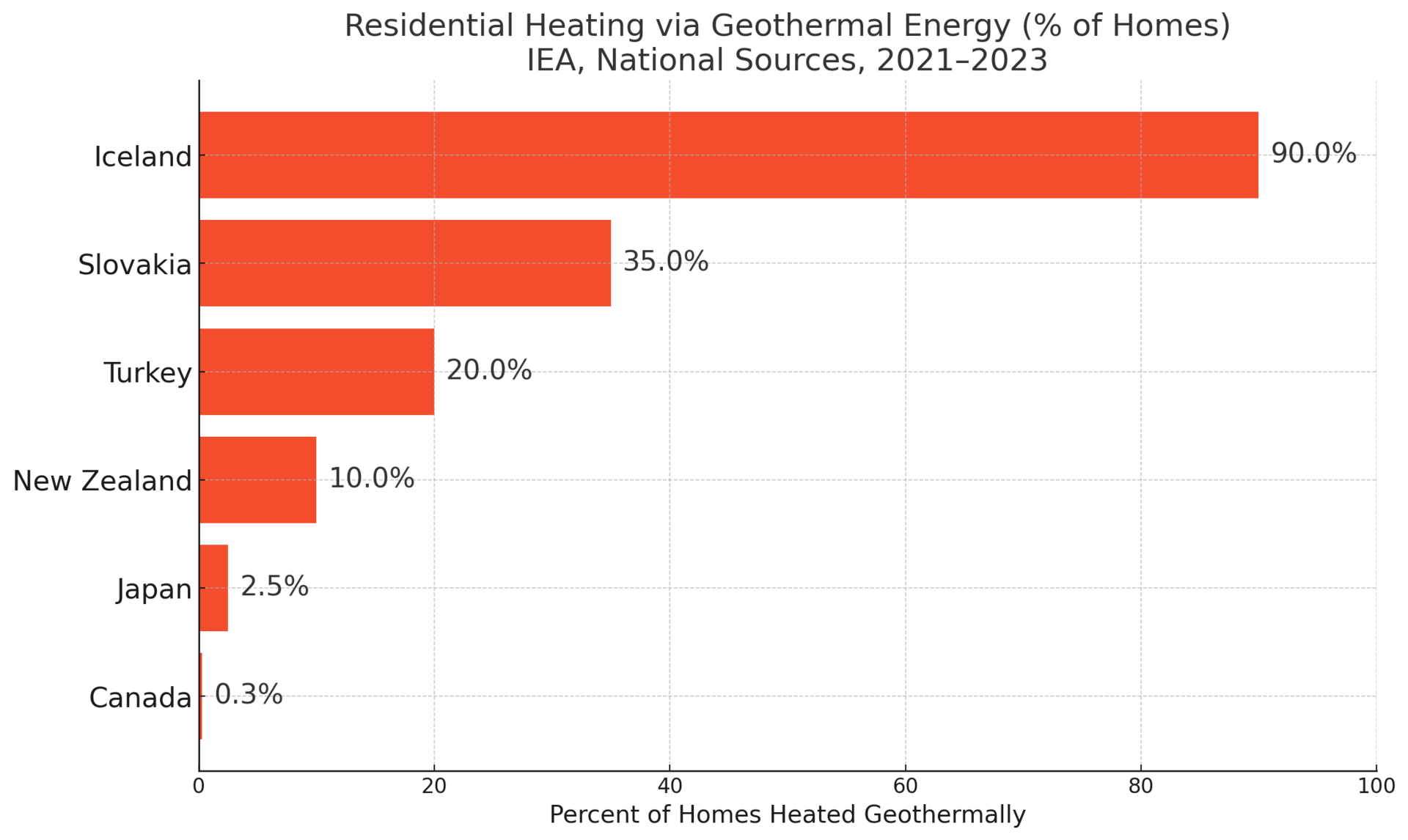
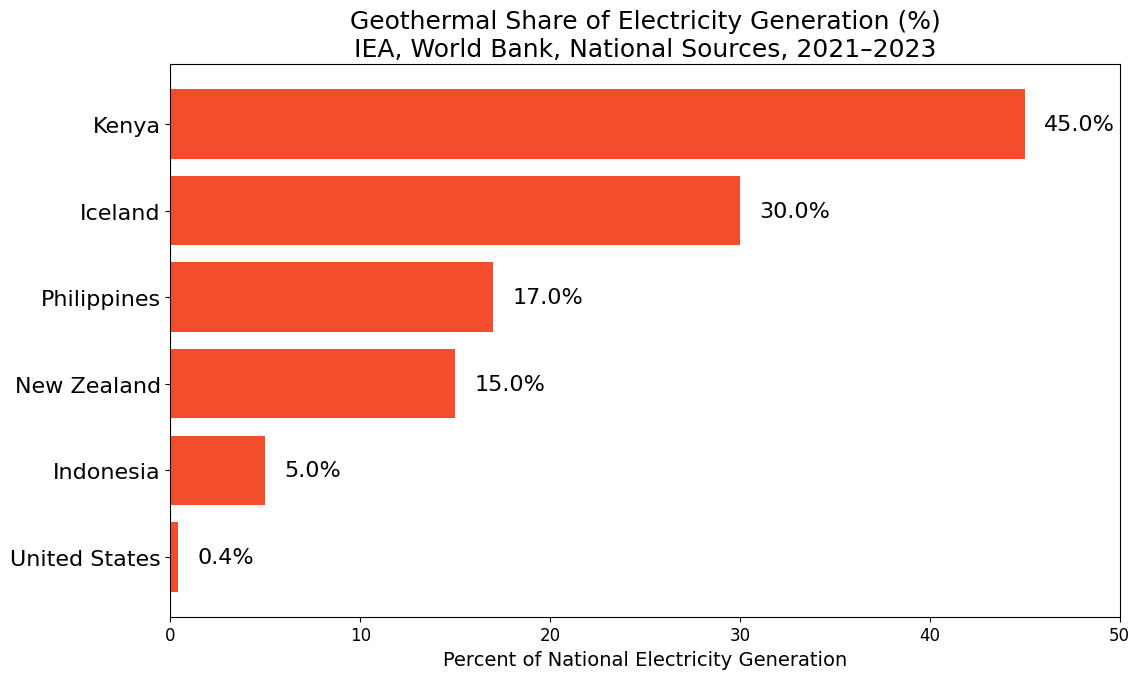
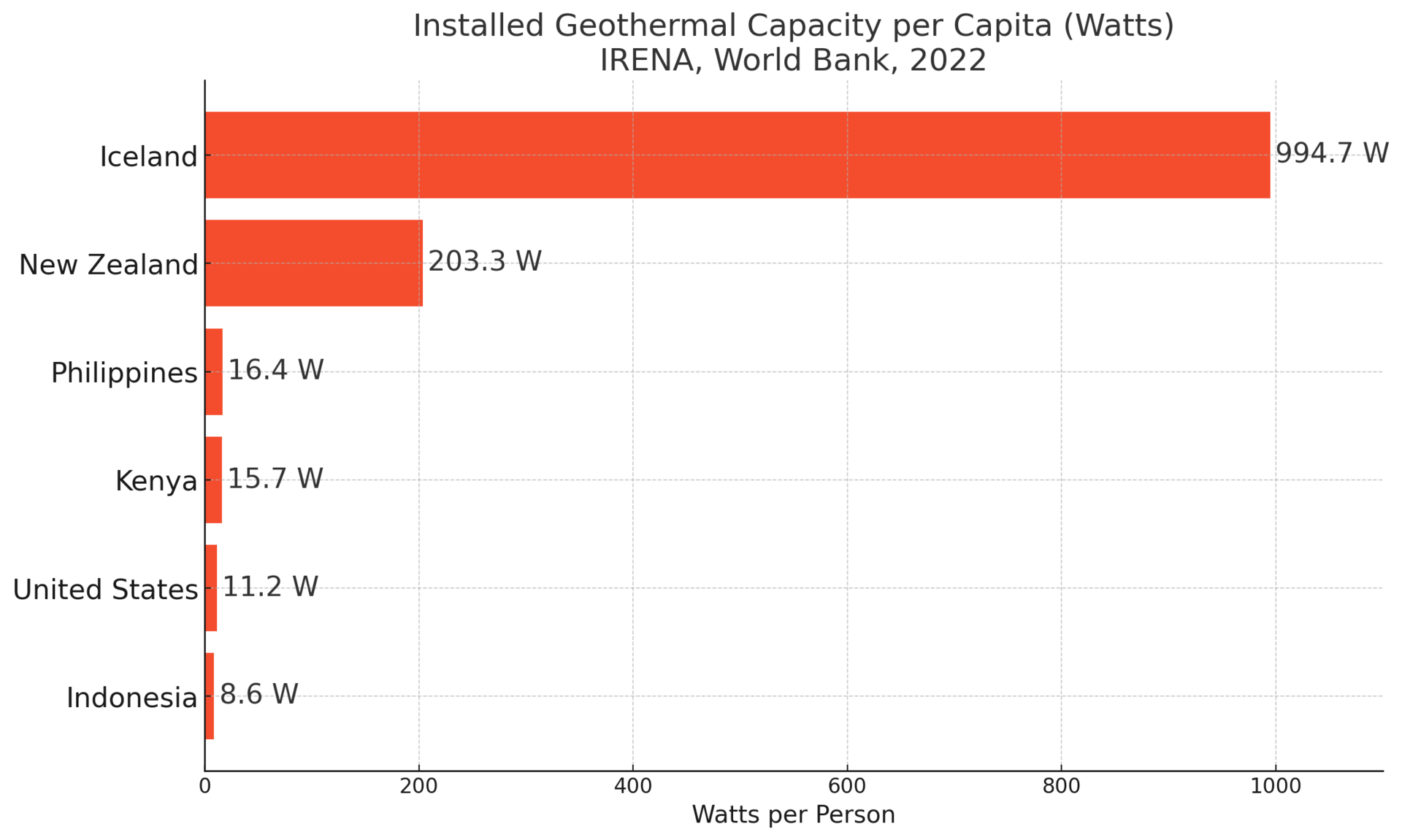
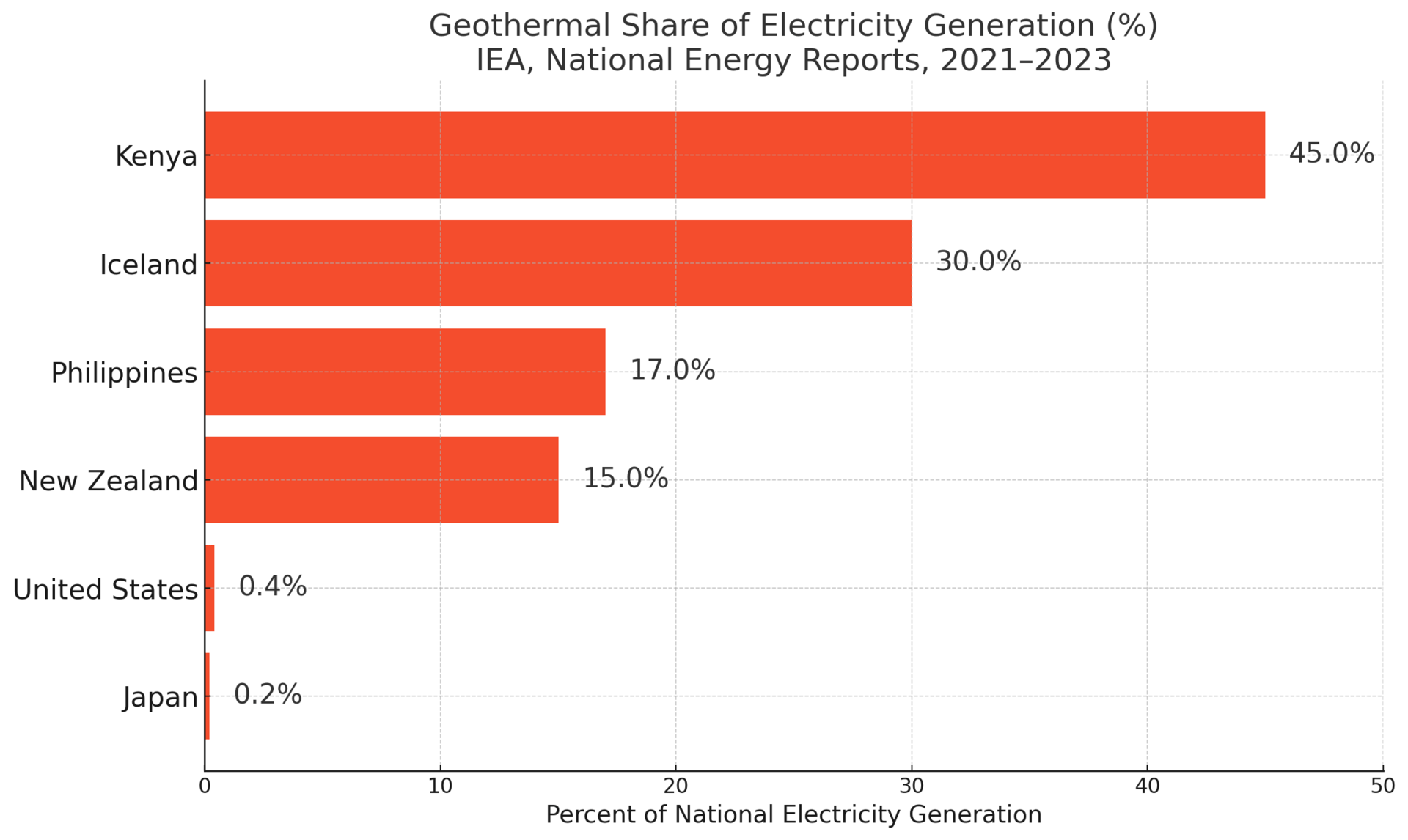
Perched atop the Mid-Atlantic Ridge, Iceland harnesses its volcanic underbelly with unmatched ambition. Nearly 90% of Icelandic homes are heated by geothermal energy, and about 30% of its electricity comes from this source. But it’s not just about heating homes—it’s about heating progress.
Iceland's geothermal footprint touches everything from greenhouses to outdoor swimming pools, even beer brewing. This holistic approach has enabled the country to drastically cut fossil fuel dependency and become a model of sustainable independence.
🌋 Surprising Insight: In Reykjavík, sidewalks are heated by geothermal pipes to stay snow-free year-round—a cozy luxury born from geological luck and political will.
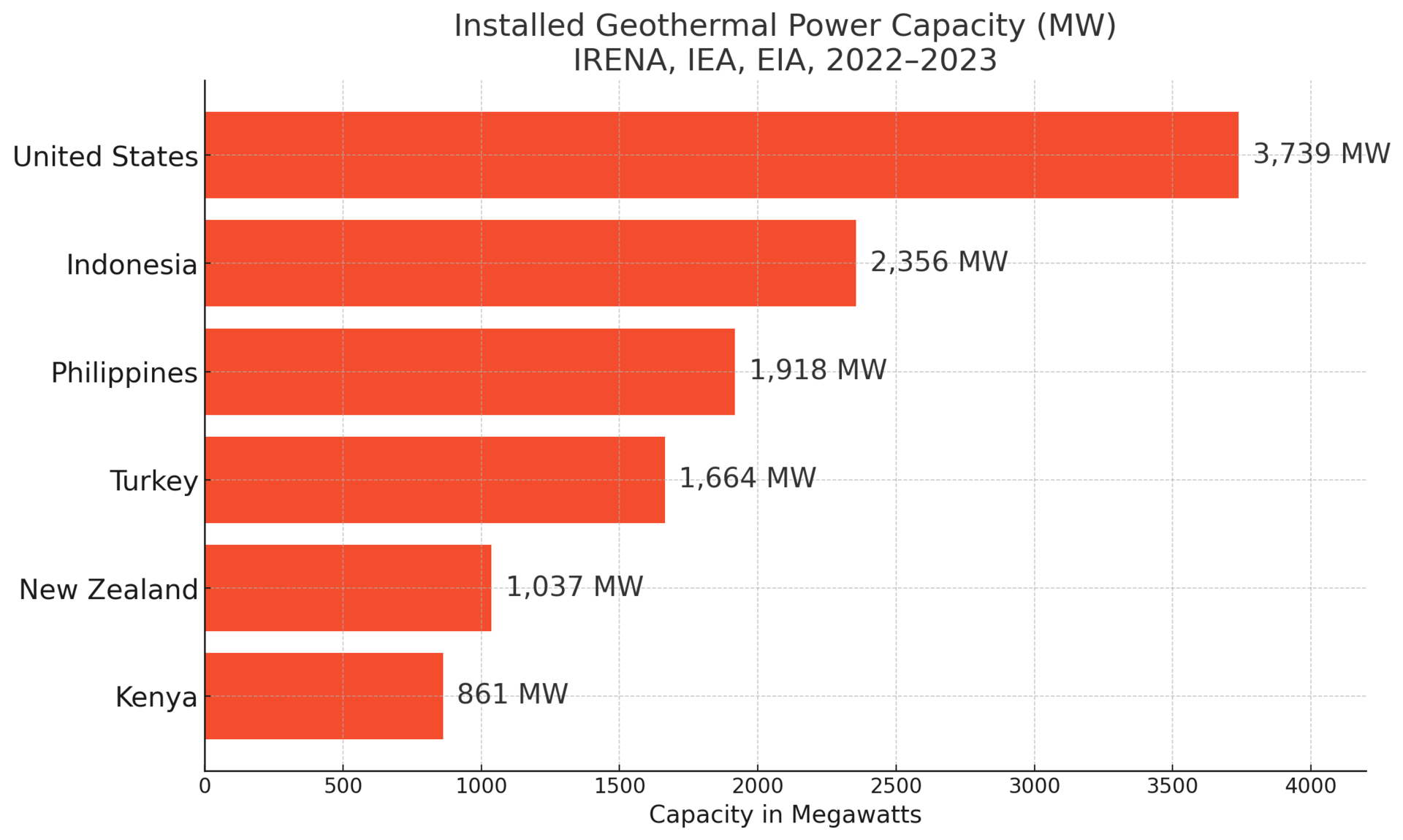
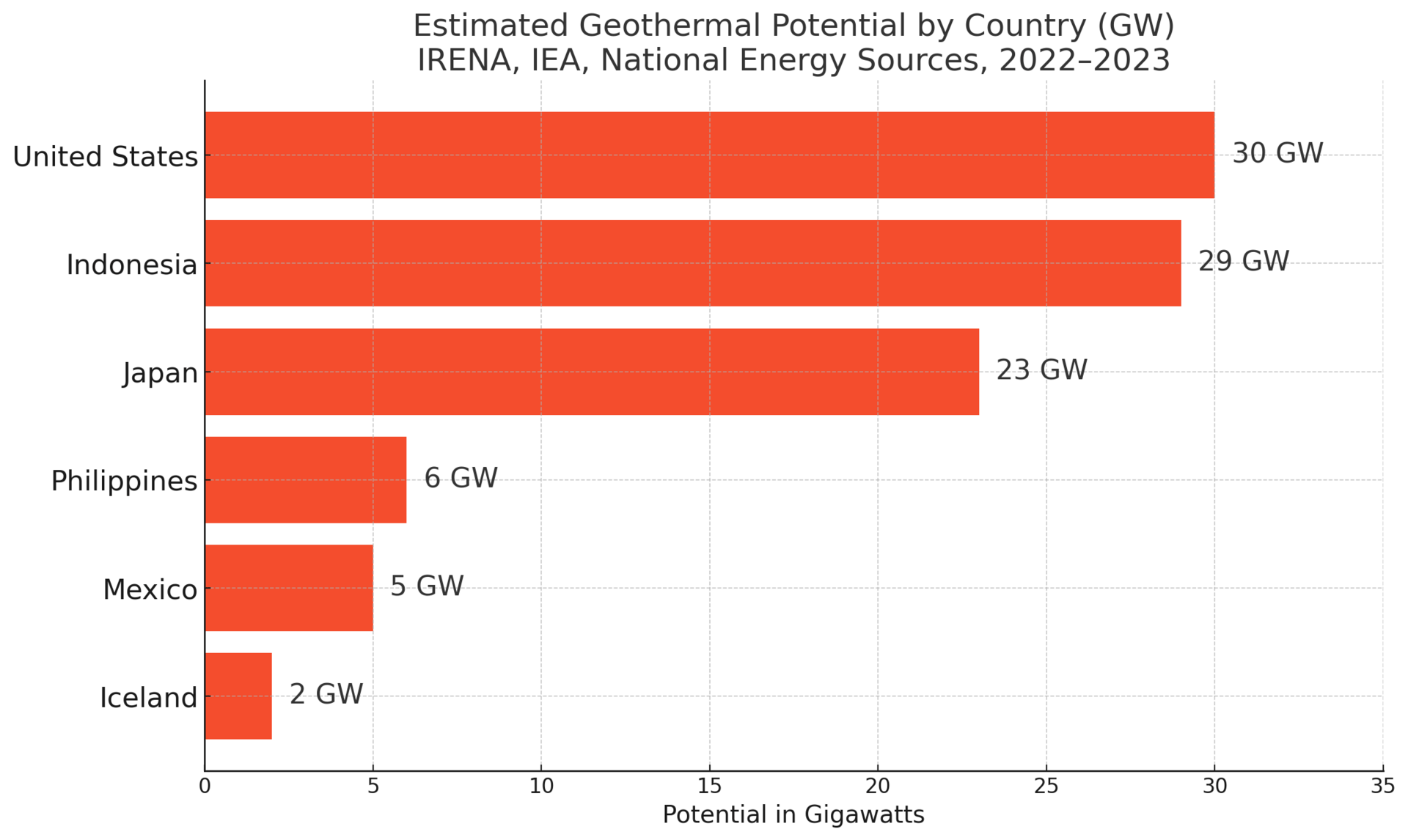
Nestled along the Pacific Ring of Fire, the Philippines has turned its fiery geology into an energy asset. It’s now the third-largest producer of geothermal energy globally, after the U.S. and Indonesia.
Unlike Iceland, the Philippines uses geothermal primarily for electricity, supplying nearly 17% of its national grid. Projects like the Makiling-Banahaw and Tiwi power plants have demonstrated that even developing economies can lead in clean energy—if the earth cooperates.
The country's strategy balances energy security with export potential, positioning it as a key player in Southeast Asia's decarbonization journey.
⚡ Powerful Fact: The Philippines’ geothermal capacity offsets the equivalent of 9 million barrels of imported oil annually—an economic and environmental win.
Ready to Plan Your Retirement?

Knowing when to retire starts with understanding your goals. When to Retire: A Quick and Easy Planning Guide can help you define your objectives, how long you’ll need your money to last and your financial needs. If you have $1 million or more, download it now.
Despite being the world’s largest geothermal producer, the U.S. hasn't fully tapped its potential—yet.
Most geothermal activity is concentrated in California, Nevada, and Utah, with the legendary Geysers complex north of San Francisco producing more electricity than any other geothermal field on Earth. However, policy inertia and upfront drilling costs have slowed wider adoption.
That’s changing. Advances in enhanced geothermal systems (EGS) are unlocking heat in previously untappable rock formations—potentially allowing geothermal to go national.
🌎 Future Shock: According to the Department of Energy, geothermal could provide over 8% of U.S. electricity by 2050 if new tech scales successfully.
Kenya isn’t just leading Africa in geothermal—it’s outpacing much of the world. Sitting atop the East African Rift System, Kenya has tapped this tectonic treasure to produce over 40% of its electricity from geothermal.
The crown jewel? The Olkaria complex, located within a national park, is one of the world’s largest and most scenic geothermal plants. Beyond power, it provides stability in a region often dependent on hydropower vulnerable to droughts.
Kenya's success shows that geothermal is not just a high-income-country solution—it’s a leapfrog technology for emerging markets.
🐘 Unusual Twist: Some geothermal plants in Kenya are co-located with wildlife reserves, proving that energy and ecology can coexist with thoughtful planning.
Indonesia sits atop more than 40 active volcanoes—and it’s turning this combustible geography into clean energy leadership. Already the second-largest geothermal producer, the country plans to triple its geothermal output by 2030.
Why the urgency? Rising energy demand, heavy reliance on coal, and a commitment to cut emissions have catalyzed a geothermal boom, with international investment pouring in.
Yet challenges remain—permitting delays, high upfront costs, and logistical complexities in remote areas. Still, the heat is there—and so is the ambition.
🔥 Unexpected Data: Indonesia’s geothermal reserves could power 29 gigawatts, enough to electrify over 25 million homes.
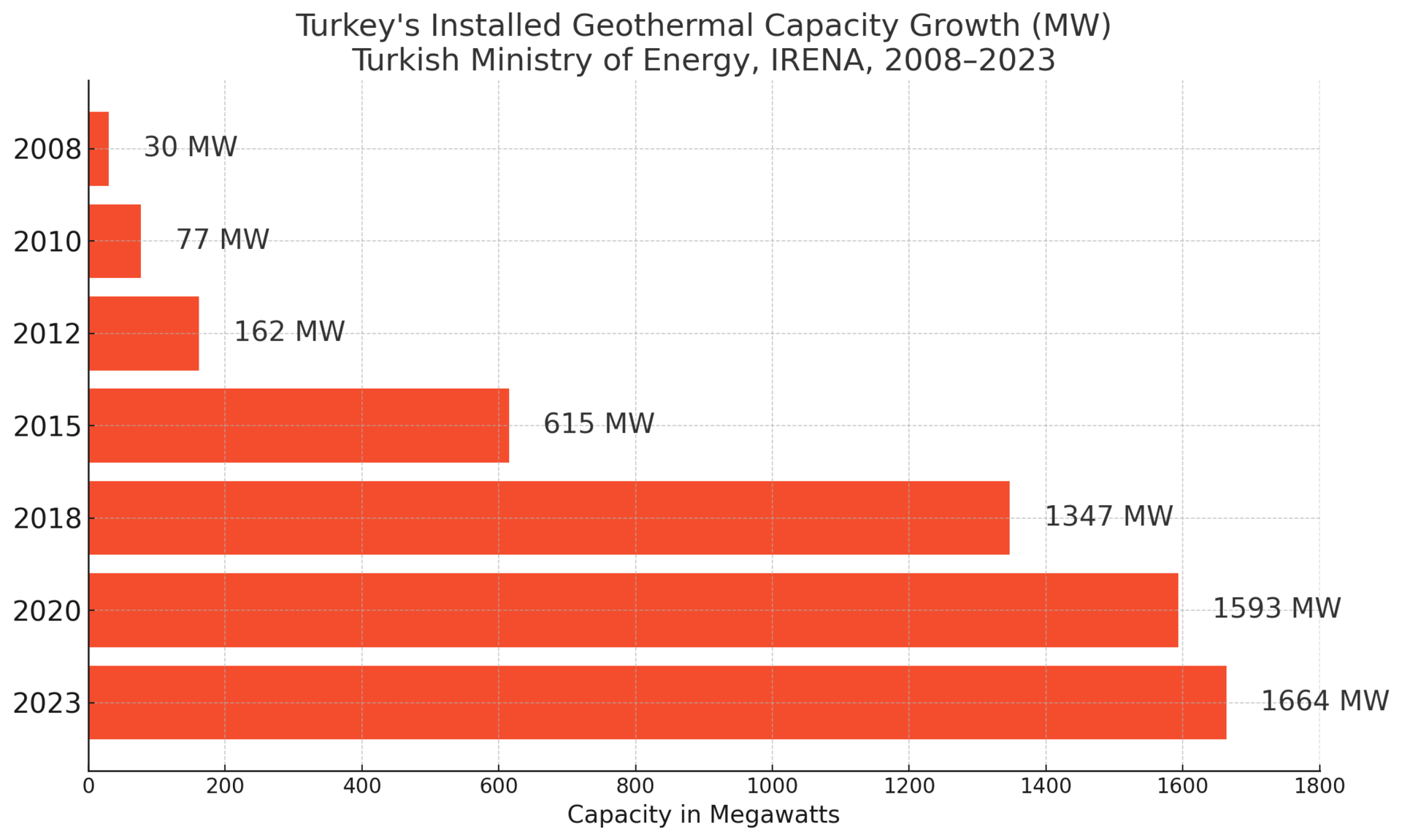
Often absent from global green energy headlines, Turkey is actually Europe’s top geothermal electricity producer. Its Aegean region, especially around Denizli and Aydın, has become a hub of high-temperature wells.
Turkey has embraced geothermal as both an economic stimulus and a tool for reducing energy imports. The sector has created thousands of jobs, while also powering greenhouses, textiles, and city heating.
🇹🇷 Little-Known Fact: Turkey has increased its geothermal capacity tenfold in just 15 years, making it one of the fastest-growing geothermal markets globally.
For centuries, New Zealand’s Māori people used geothermal springs for cooking and bathing. Today, those same steamy vents power industry.
The Taupō Volcanic Zone is home to some of the nation’s most productive geothermal fields. Plants like Wairakei and Ngā Awa Pūrua feed the grid while maintaining a cultural and environmental balance—often co-managed with local iwi (tribes).
Geothermal here isn’t just practical—it’s sacred. The integration of indigenous knowledge into energy policy has positioned New Zealand as a model of ethical development.
🌿 Unique Perspective: New Zealand’s geothermal plants operate under environmental stewardship agreements—linking power output to cultural preservation.
Geothermal runs when the sun doesn’t shine and the wind doesn’t blow. Silent, steady, and scaling fast—it’s powering the future from below.
From Iceland to Kenya, nations are tapping the heat beneath us. If you’re tracking the next big energy shift, look down.
Stay curious. Stay grounded.
Warm regards,
Shane Fulmer
Founder, WorldPopulationReview.com
P.S. Want to sponsor this newsletter? Reach 145,000+ global-minded readers — click here!