- World Population Review Newsletter
- Posts
- How Jokes Shape a Nation’s Identity & Power
How Jokes Shape a Nation’s Identity & Power
What national humor reveals about values, tension, and resilience.

Philip Saparov
November 30, 2025
In partnership with

Greetings, curious mind tuned to the world’s frequency,
What people laugh at says more than any anthem ever could. Humor isn’t just entertainment—it’s identity, stress relief, even rebellion. From satire to slapstick, the jokes a nation tells reveal what it fears, what it values, and how it survives.
This week, we tour the globe’s comic stage—where irony sharpens insight, and laughter tells the truth.
Let’s dive in.
$1K Could’ve Made $2.5M
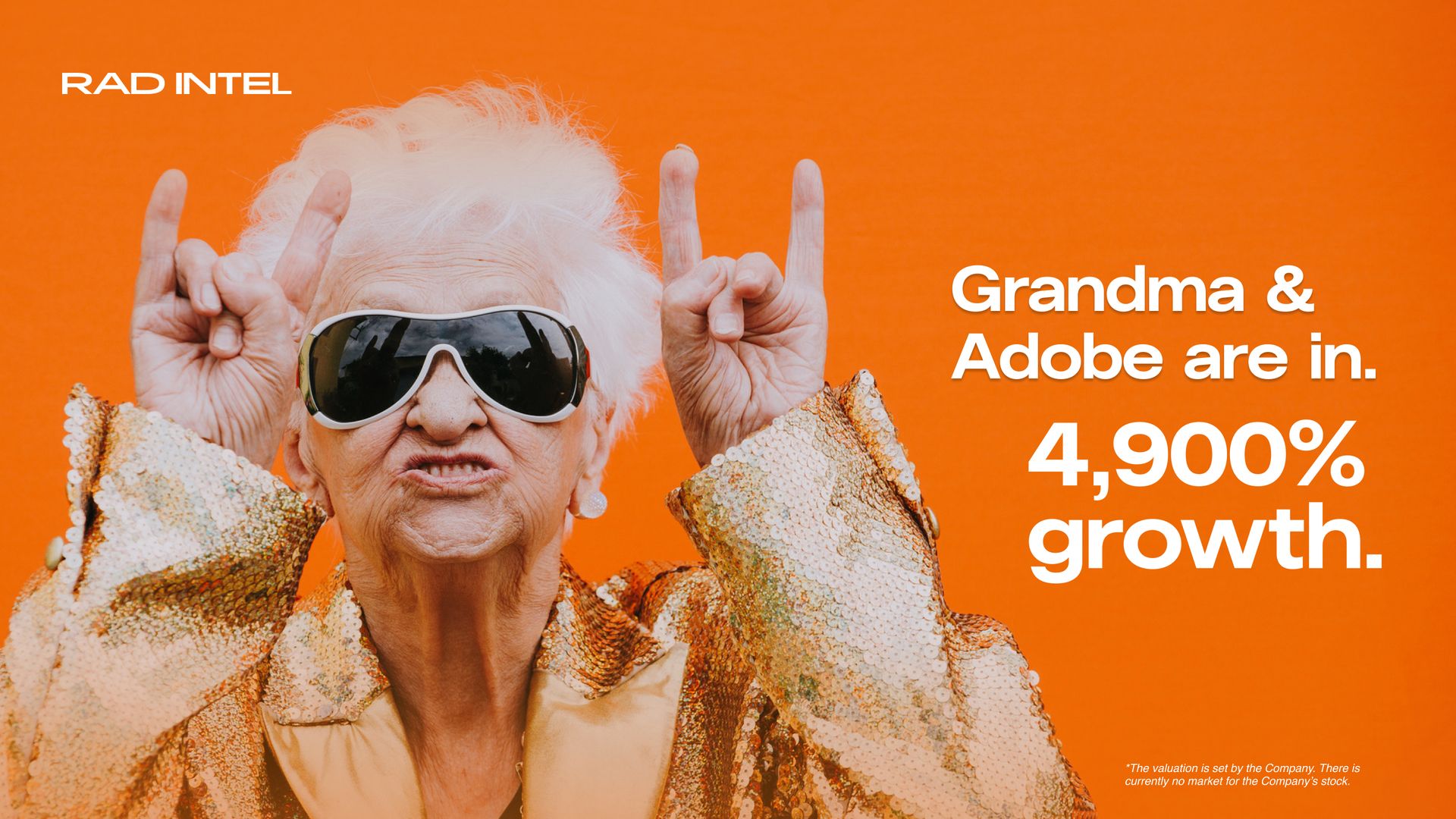
In 1999, $1K in Nvidia’s IPO would be worth $2.5M today. Now another early-stage AI tech startup is breaking through—and it’s still early.
RAD Intel’s award-winning AI platform helps Fortune 1000 brands predict ad performance before they spend.
The company’s valuation has surged 4900% in four years* with over $50M raised.
Already trusted by a who’s-who roster of Fortune 1000 brands and leading global agencies. Recurring seven-figure partnerships in place and their Nasdaq ticker is reserved: $RADI.
This is a paid advertisement for RAD Intel made pursuant to Regulation A+ offering and involves risk, including the possible loss of principal. The valuation is set by the Company and there is currently no public market for the Company's Common Stock. Nasdaq ticker “RADI” has been reserved by RAD Intel and any potential listing is subject to future regulatory approval and market conditions. Investor references reflect factual individual or institutional participation and do not imply endorsement or sponsorship by the referenced companies. Please read the offering circular and related risks at invest.radintel.ai.
When people think of Germany, "hilarious" may not top the list. But the German sense of humor is real—just deeply internal, understated, and often cloaked in biting irony. Germans prize efficiency and order, and their comedy reflects a fascination with rules, bureaucracy, and the absurdity of rigid systems.
A prime example? Loriot, a national treasure in German comedy, made a career satirizing everyday life’s awkward rituals—dinners, meetings, greetings—turning dull moments into deeply relatable hilarity.
Today, satire programs like heute-show and extra 3 cleverly mock politics with surgical precision, proving that wit can thrive even in a culture known for seriousness.
🎭 Unexpected fact: The German word for joke—Witz—derives from wit, and originally meant “to know.” In Germany, even jokes are intellectual exercises.
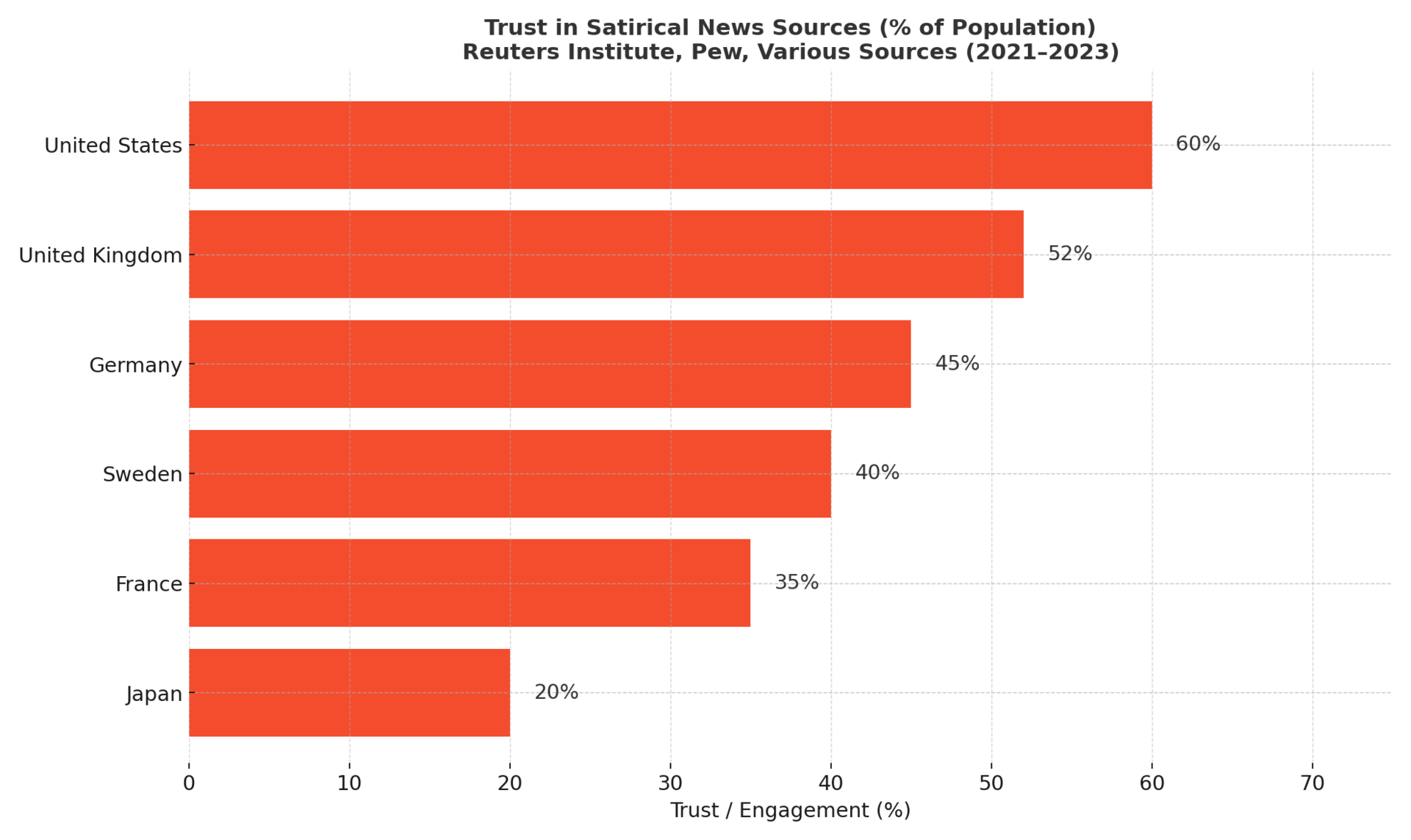
In Japan, where societal harmony and respect for hierarchy rule, humor often functions as an escape from formality. And escape it does—with gusto. Traditional Japanese comedy (manzai) features a rapid-fire exchange between a straight man and a fool, riffing on misunderstandings and wordplay. Think of it as vaudeville meets high-speed pun wars.
But there’s also a love for the extreme: game shows and prank shows in Japan are notoriously over-the-top, full of physical comedy and absurd endurance tests. Why? Some sociologists suggest it’s a cathartic release from the pressures of perfectionism and conformity.
💡 Cultural insight: While most cultures avoid public humiliation, Japan’s comedy often embraces it—as a way to humanize the powerful and momentarily dissolve hierarchy.

British humor is a cultural export in its own right—steeped in irony, understatement, and self-deprecation. In a society built on centuries of class consciousness, comedy often pokes at social norms, bureaucracy, and the absurdity of everyday manners.
From the dry wit of Yes Minister to the surrealism of Monty Python to the cringe-based brilliance of The Office, British humor thrives on discomfort. Even the weather is a running joke—discussed more out of ritual than interest.
🚪 Unexpected historical twist: During WWII, British intelligence used jokes as coded signals for resistance movements in Europe. For the British, even espionage had punchlines.

Crash Expert: “This Looks Like 1929” → 70,000 Hedging Here
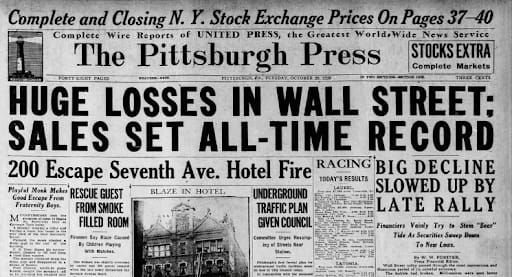
Mark Spitznagel, who made $1B in a single day during the 2015 flash crash, warns markets are mimicking 1929. Yeah, just another oracle spouting gloom and doom, right?
Vanguard and Goldman Sachs forecast just 5% and 3% annual S&P returns respectively for the next decade (2024-2034).
Bonds? Not much better.
Enough warning signals—what’s something investors can actually do to diversify this week?
Almost no one knows this, but postwar and contemporary art appreciated 11.2% annually with near-zero correlation to equities from 1995–2024, according to Masterworks Data.
And sure… billionaires like Bezos and Gates can make headlines at auction, but what about the rest of us?
Masterworks makes it possible to invest in legendary artworks by Banksy, Basquiat, Picasso, and more – without spending millions.
23 exits. Net annualized returns like 17.6%, 17.8%, and 21.5%. $1.2 billion invested.
Shares in new offerings can sell quickly but…
*Past performance is not indicative of future returns. Important Reg A disclosures: masterworks.com/cd.
American humor is as diverse as its population. From stand-up to sketch, sitcoms to memes, the U.S. has pioneered multiple comedic formats. At its heart is satire—roasting authority, challenging norms, and pushing boundaries.
Shows like Saturday Night Live, The Daily Show, and Key & Peele hold up a mirror to American politics and race, using laughter to provoke reflection. Meanwhile, the tradition of the roast—affectionate insult comedy—exemplifies a culture that values free speech, even when it stings.
🔥 Fact to remember: The U.S. Library of Congress archives stand-up routines as cultural artifacts, recognizing comedy as a form of national documentation.
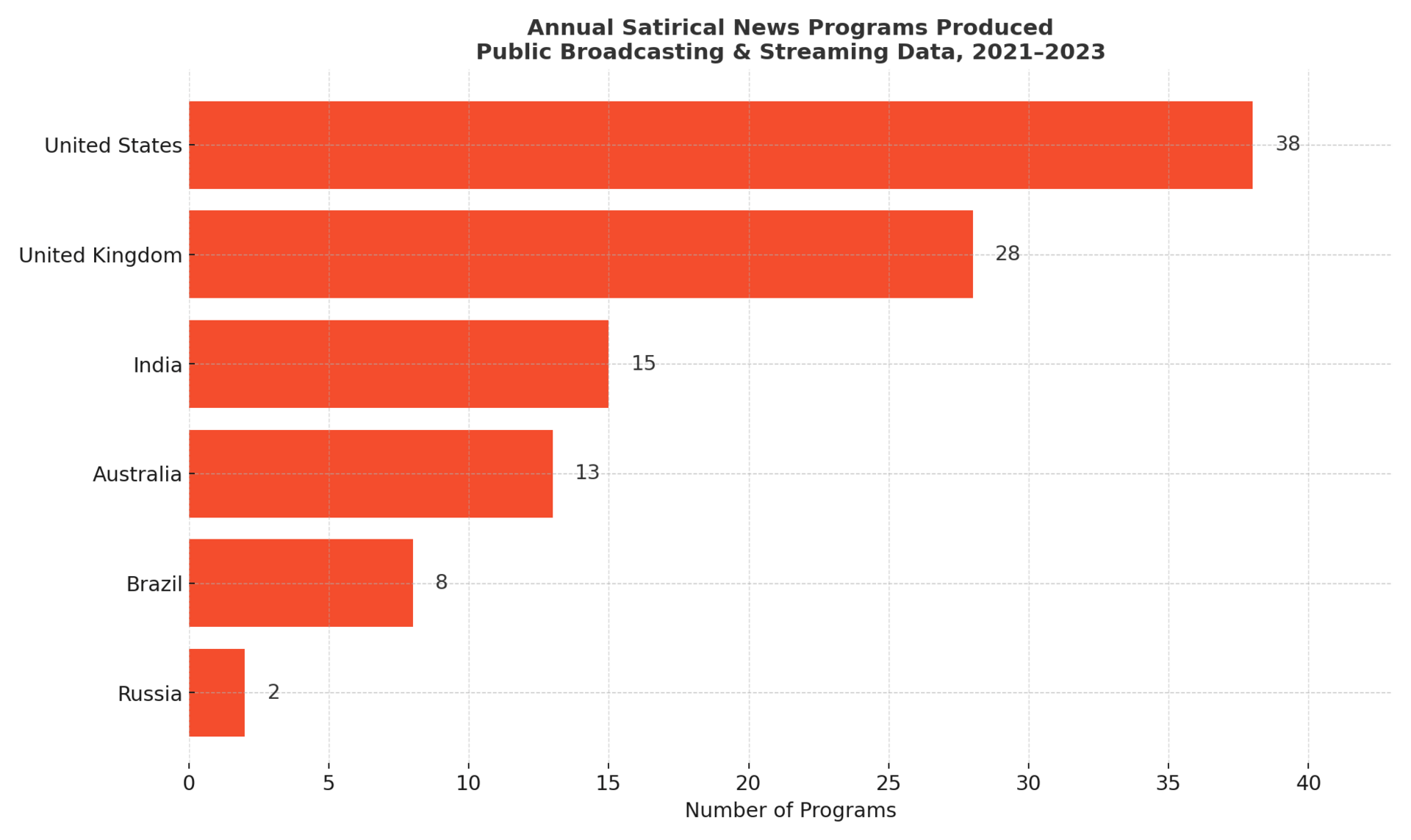
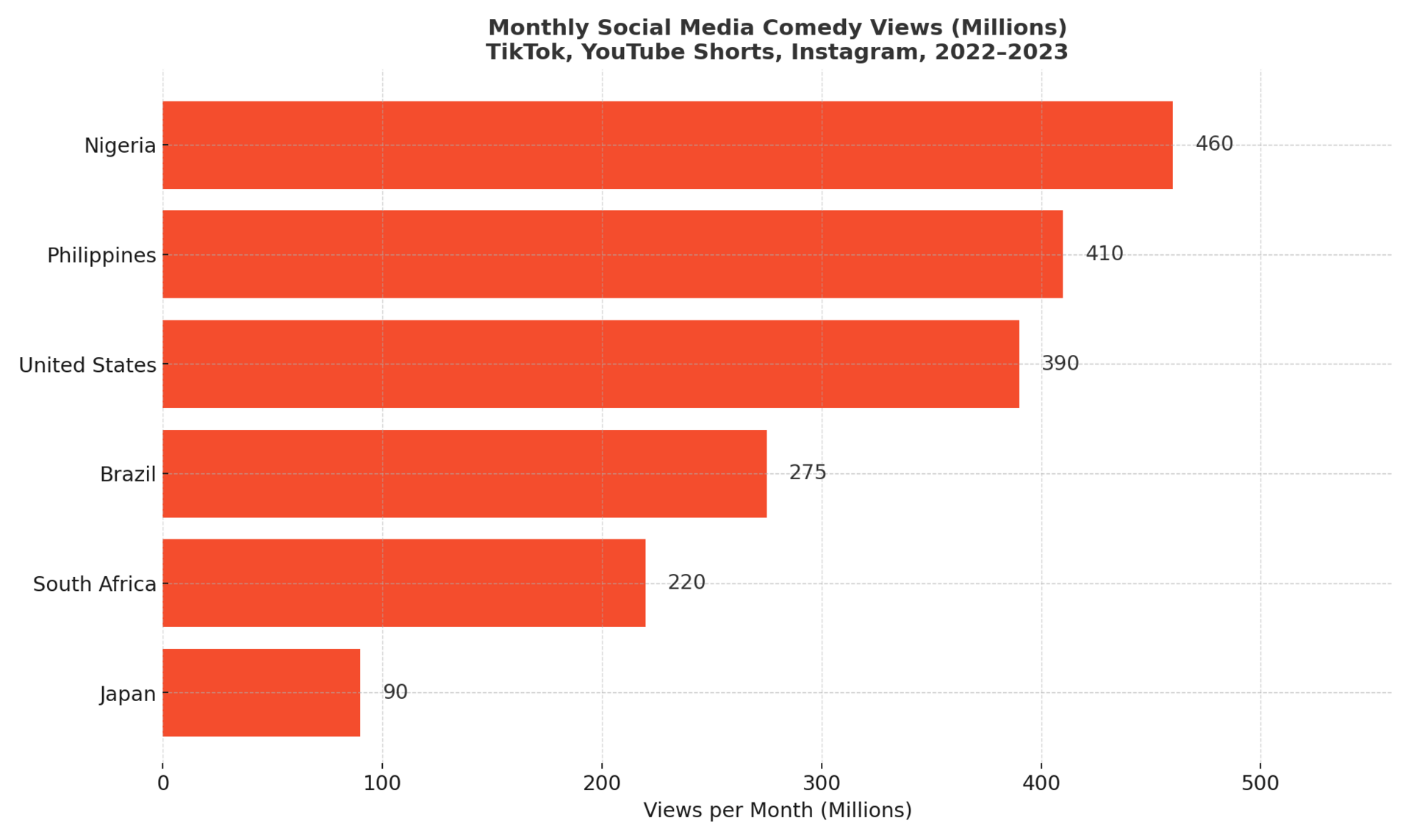
In Nigeria, humor is survival. As Africa’s most populous country, it hosts a kaleidoscope of ethnic groups, languages, and challenges—from economic instability to political volatility. But its comedy scene is booming.
From skits on TikTok to live stand-up to Nollywood comedies, Nigerian humor is raw, self-aware, and often political. Comics like Basketmouth and Bovi address everything from power outages to corruption—sparking laughter in the face of dysfunction.
📢 Local wisdom: Nigerians joke that they can laugh in any circumstance—even during a blackout—because “darkness is cheaper than therapy.”
In the Nordic nations, where long winters and high taxes are facts of life, humor tends to be dry, dark, and laced with existential overtones. Think The Office, but colder and with more IKEA jokes.
Shows like Sweden’s Grotesco and Denmark’s Klovn push the envelope with cringe-comedy and taboo-breaking narratives. Humor here isn’t just about laughs—it’s a coping mechanism for existential dread and societal sameness.
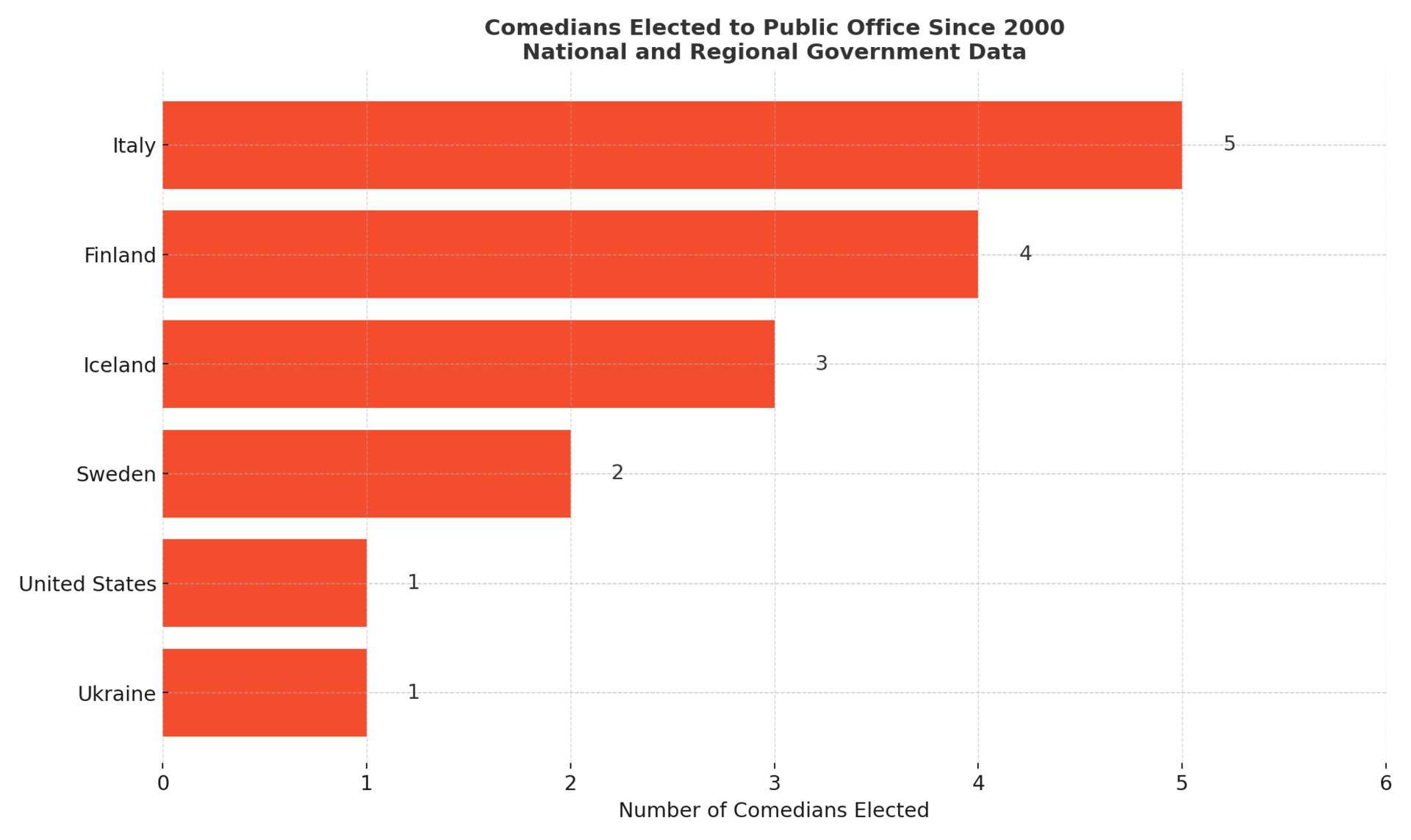
🧊 Surprising detail: In Iceland, humor is so ingrained in national identity that comedians often run for office—and occasionally win.
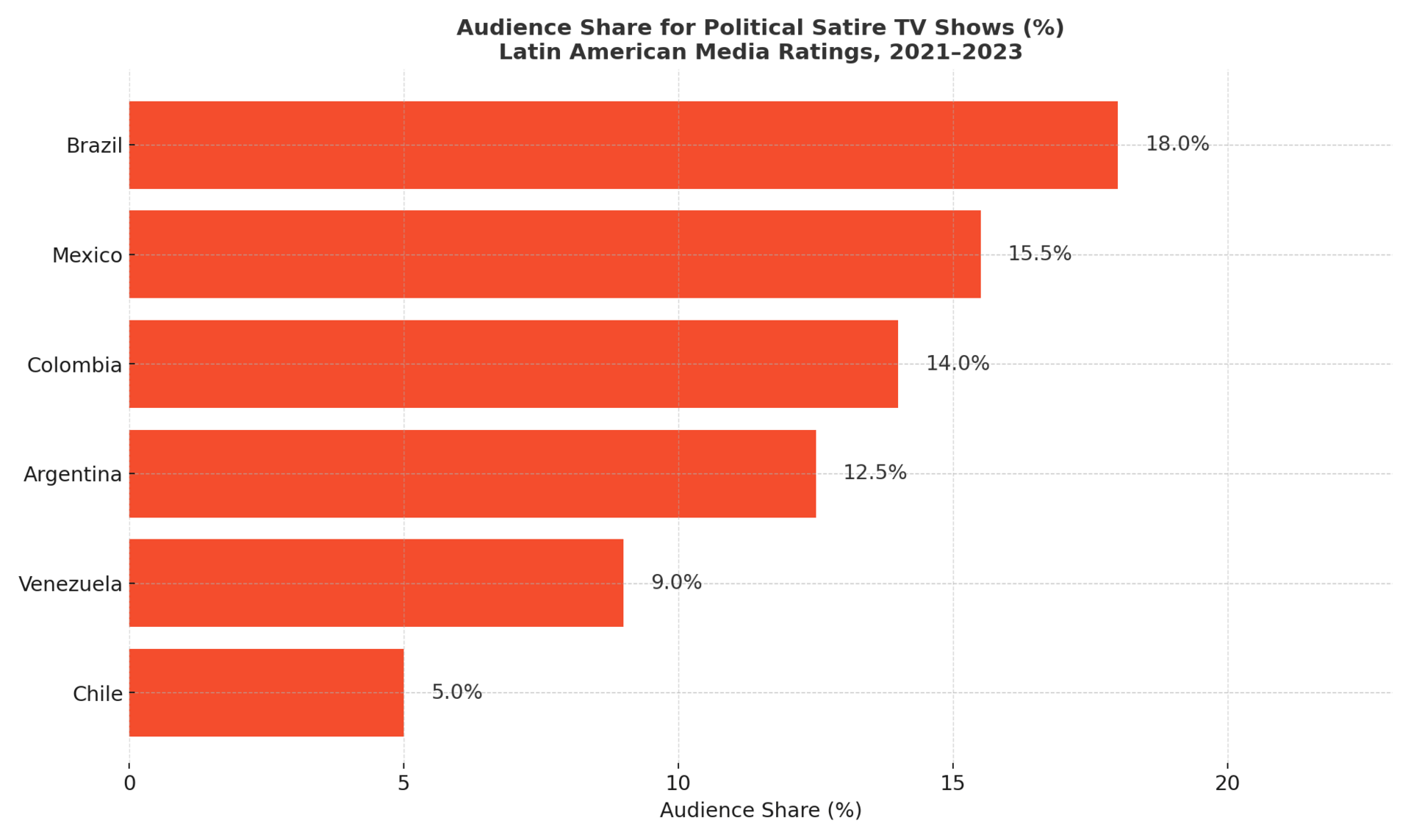
Across Latin America, humor is sharp, bold, and deeply intertwined with politics. In countries where freedom of speech is often tested, satire becomes both a shield and a sword.
🇧🇷 Brazil: Porta dos Fundos skewers religion, politics, and hypocrisy with fearless sketches.
🇲🇽 Mexico: Comedians like Chumel Torres blend news and satire, captivating a younger generation hungry for truth.
🇨🇴 Colombia: “La Luciérnaga,” a radio show, became so trusted that citizens turned to it over traditional news.
🎙️ Powerful insight: During periods of dictatorship or censorship, comedians have often become de facto journalists—trusted to say what no one else can.
Laughter isn’t just a release—it’s a reveal. It shows what a country fears, values, and refuses to say out loud. From British irony to Nigerian skits, comedy cuts through noise and speaks truths others can’t.
So next time a joke crosses your feed, don’t just laugh—listen. You might be hearing the voice of a nation.
Warm regards,
Shane Fulmer
Founder, WorldPopulationReview.com
P.S. Want to sponsor this newsletter? Reach 139,000+ global-minded readers — click here!