- World Population Review Newsletter
- Posts
- How Often Will You Move? Global Patterns Revealed
How Often Will You Move? Global Patterns Revealed
Mobility trends shaping opportunity, risk, and life decisions worldwide.

Philip Saparov
April 05, 2026
In partnership with

Greetings, inquisitive mind of world events!
How many times will you move in your lifetime—and what does that say about the life you’re building? Some people stay rooted. Others move again and again, pulled by opportunity, pushed by cost, or drawn toward something better.
In this edition, we explore where people move most—and what those patterns reveal about opportunity, stability, and the choices shaping your future.
Let’s explore the geography of movement.
Big Pharma's $240B White Flag Is One Startup's Ticket

Big Pharma spent decades and billions trying to solve osteoarthritis, a $500B market they’ve never cracked.
Thankfully, Cytonics figured out why they keep failing: joints are attacked by multiple culprits at once, and Big Pharma only ever went after one at a time.
So Cytonics discovered a way to get them all, creating the first therapy with the potential to actually address the root cause of osteoarthritis at the molecular level. It’s already proven across 10,000+ patients. Now, they’re pushing toward FDA approval on a 200% more potent version that can be manufactured at scale.
The first human safety trial is already complete with zero adverse events. If approved, the more than 500M osteoarthritis patients worldwide could have their long-needed solution.
Big Pharma created this opening. Now Cytonics is prepared to seize it.
This is a paid advertisement for Cytonics Regulation CF offering. Please read the offering circular at https://cytonics.com/
Few countries normalize relocation like the United States 🇺🇸. Moving is woven into the culture—whether for jobs, education, or lifestyle upgrades. On average, Americans move about 11–12 times in their lifetime, one of the highest rates globally.
Three patterns stand out. First, early-life mobility is high, driven by college and early careers. Second, midlife moves often follow job changes or housing upgrades. Third, later-life migration trends toward warmer, lower-tax states like Florida, Texas, and Arizona.
This mobility reflects a flexible labor market and vast geographic diversity—but also rising housing costs that push people outward from major cities.
Putting it into perspective: High mobility can signal opportunity—but also instability in housing affordability and job security.
Curious insight: Nearly 40% of U.S. moves now occur within the same county, showing that “micro-mobility” is replacing long-distance relocation.
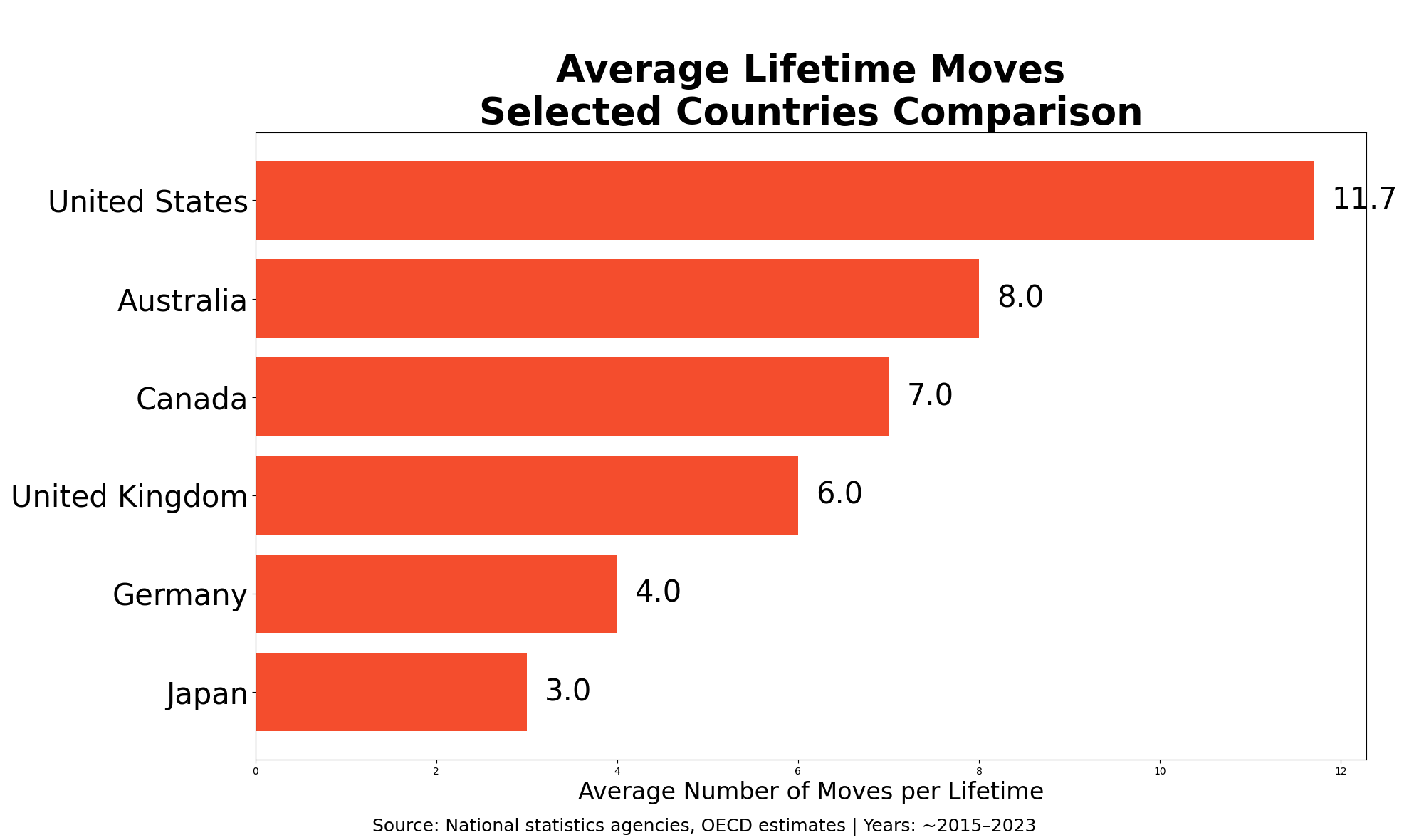
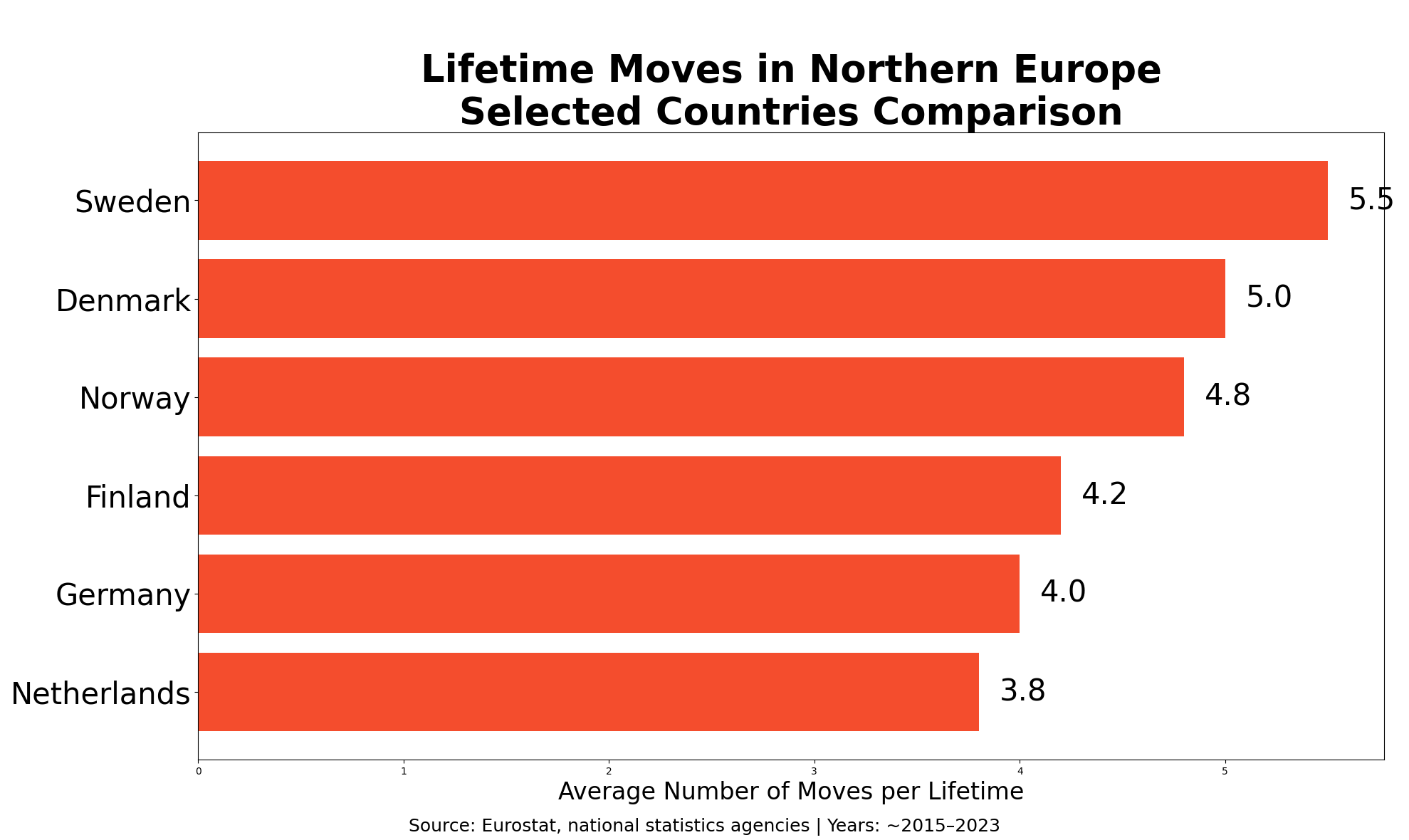
In countries like Sweden 🇸🇪, Denmark 🇩🇰, and Norway 🇳🇴, people move far less frequently—but when they do, it’s often strategic. Strong social systems, stable housing, and predictable career paths reduce the need for frequent relocation.
Sweden 🇸🇪 stands out for structured mobility, often tied to education and career progression. Denmark 🇩🇰 shows moderate internal movement, especially toward urban hubs like Copenhagen. Norway 🇳🇴, with its dispersed geography, sees regional shifts tied to energy and maritime industries.
The key difference? Moves are less reactive and more planned.
Putting it into perspective: Lower mobility often correlates with stronger safety nets and long-term housing stability—appealing for retirees or families seeking predictability.
Unexpected detail: In Sweden 🇸🇪, rental waitlists in major cities can exceed 10 years—so once people secure housing, they tend to stay put.
China 🇨🇳 represents one of the largest internal migration stories in human history. Hundreds of millions have moved from rural areas to cities over the past few decades.
Three major flows define this movement. Rural-to-urban migration fuels industrial growth. Coastal migration draws workers to economic hubs like Shanghai and Shenzhen. And increasingly, reverse migration is emerging as workers return inland due to rising urban costs.
Unlike Western mobility, much of this movement is economically driven and often temporary due to the hukou (household registration) system.
Putting it into perspective: High mobility here reflects rapid economic transformation—but also structural constraints on long-term settlement.
Striking fact: China’s “floating population” exceeds 300 million people—nearly the entire population of the United States 🇺🇸.

Private Credit on Your Terms

Percent's secondary marketplace lets accredited investors buy into eligible deals or indicate interest in selling existing positions. Secondary market access in private credit is still rare. 16.72% current weighted average coupon. Terms start at 3 months. New investors can receive up to $500 credit.
Alternative investments are speculative. Secondary liquidity not guaranteed. Past performance not indicative. Terms apply.
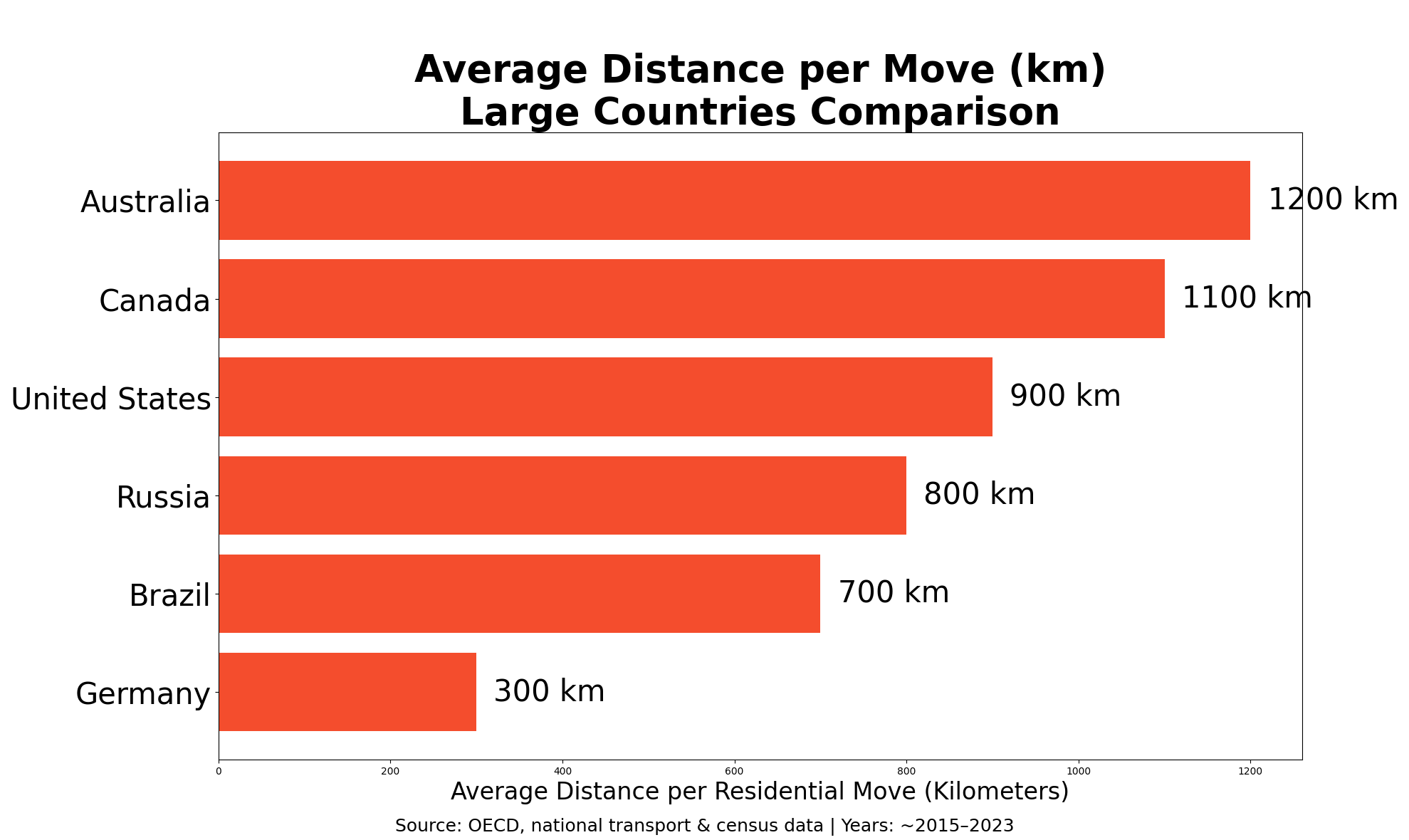
In vast countries like Australia 🇦🇺 and Canada 🇨🇦, mobility is shaped by geography as much as economics. People move less frequently than Americans, but distances are often far greater.
In Australia 🇦🇺, movement trends toward coastal cities like Sydney, Melbourne, and Brisbane. In Canada 🇨🇦, internal migration often flows toward provinces with stronger job markets, such as Alberta or Ontario.
Lifestyle plays a major role—climate, outdoor access, and cost of living heavily influence decisions.
Putting it into perspective: These countries offer a balance—mobility exists, but it’s often tied to long-term lifestyle optimization rather than frequent change.
Interesting contrast: Canadians 🇨🇦 are more likely to move provinces for economic reasons, while Australians 🇦🇺 are more influenced by lifestyle and climate.
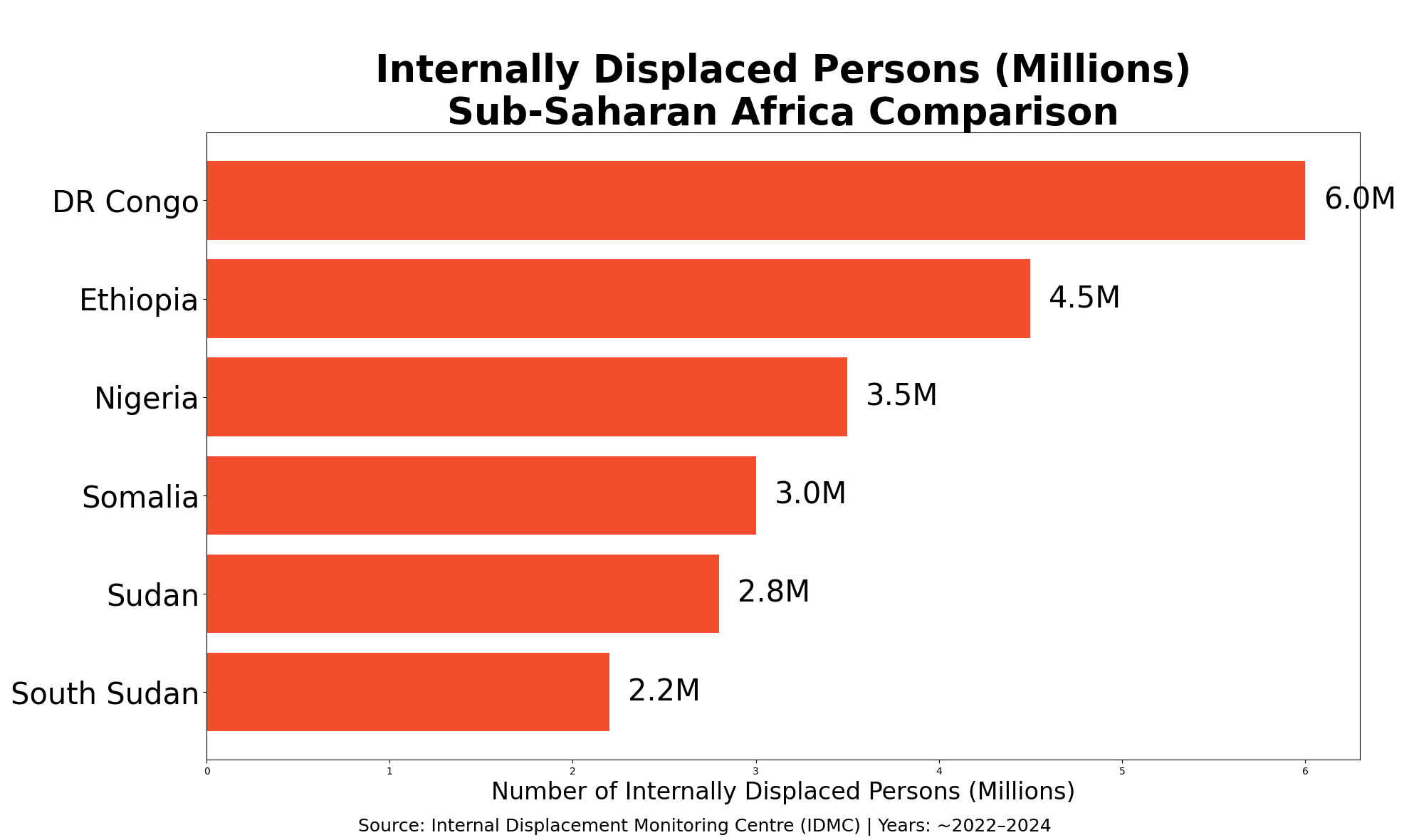
In many parts of Sub-Saharan Africa 🌍, mobility is driven less by choice and more by necessity. Economic challenges, climate change, and political instability all play a role.
Nigeria 🇳🇬 sees significant rural-to-urban migration into cities like Lagos. Kenya 🇰🇪 shows similar patterns, with Nairobi acting as a magnet. Meanwhile, climate-affected regions experience displacement due to drought and resource scarcity.
Unlike structured mobility in developed nations, these moves are often reactive and survival-driven.
Putting it into perspective: High mobility here signals resilience—but also systemic challenges in infrastructure and opportunity distribution.
Sobering insight: Climate change could displace over 80 million people in Sub-Saharan Africa 🌍 by 2050, making mobility a defining issue of the region’s future.
Southern European countries like Italy 🇮🇹, Spain 🇪🇸, and Greece 🇬🇷 show relatively low internal mobility. Cultural ties, homeownership, and family networks keep people rooted.
However, a different pattern emerges: outward migration. Young professionals often leave for opportunities in Northern Europe or beyond.
Italy 🇮🇹 sees strong intergenerational living arrangements, reducing relocation. Spain 🇪🇸 has moderate internal movement but high youth emigration. Greece 🇬🇷, following its debt crisis, experienced a significant “brain drain.”
Putting it into perspective: Low mobility at home doesn’t mean stagnation—it often shifts mobility across borders instead.
Fascinating detail: Over 10% of Greece’s population 🇬🇷 left the country during the peak years of its economic crisis—a rare demographic shock in modern Europe.
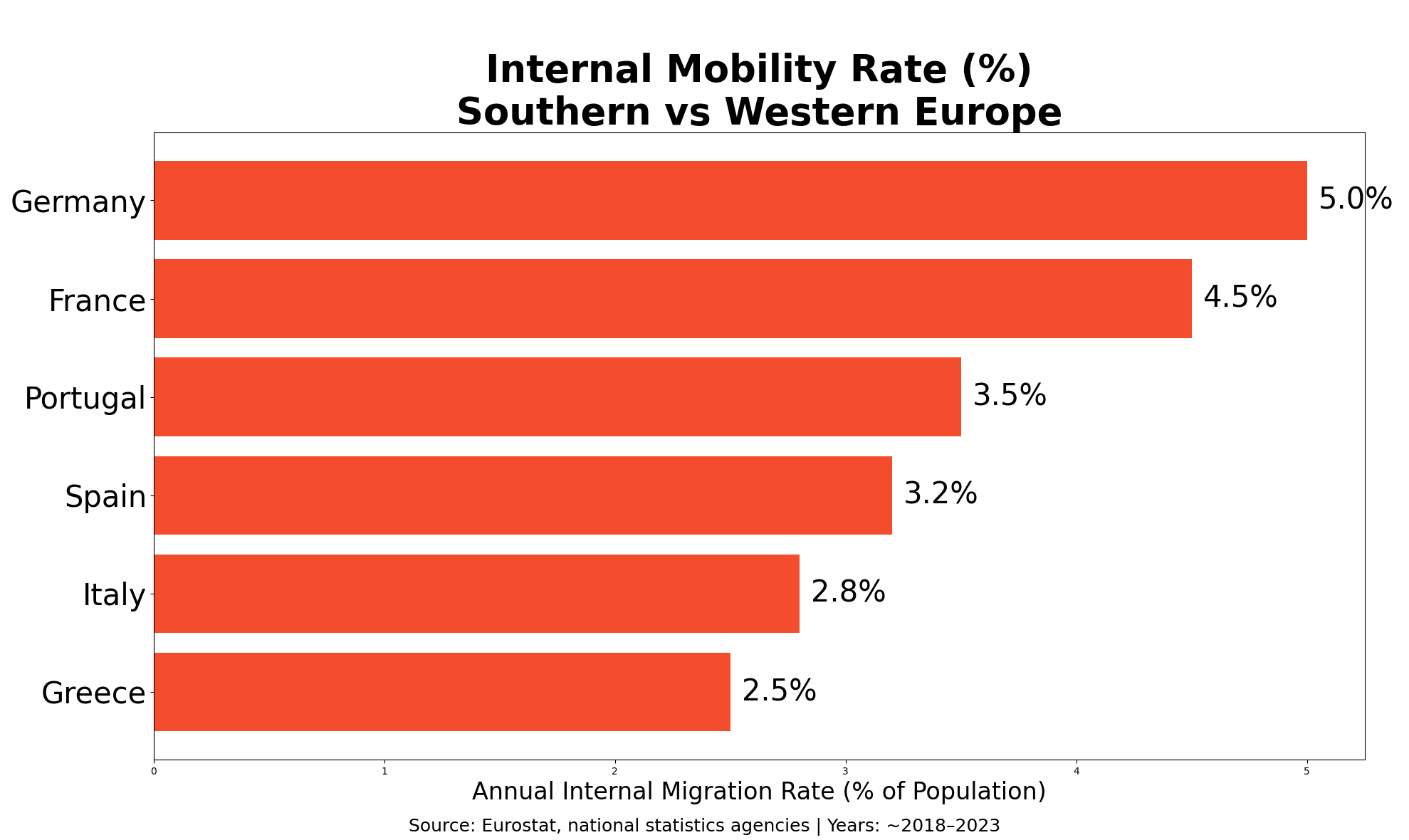
The next wave of mobility is already taking shape—and it looks very different. Remote work, digital visas, and global connectivity 🌐 are reshaping how often—and why—people move.
Three trends are emerging. Digital nomadism allows professionals to live across multiple countries. “Lifestyle arbitrage” is driving moves to lower-cost regions. And aging populations are seeking retirement destinations with better healthcare and affordability.
Mobility is becoming less about necessity and more about optimization.
Putting it into perspective: The ability to move is increasingly a form of leverage—financial, professional, and personal.
Future signal: By 2035, it’s estimated that over 1 billion people could live as “location-flexible” workers, redefining what it means to settle down.
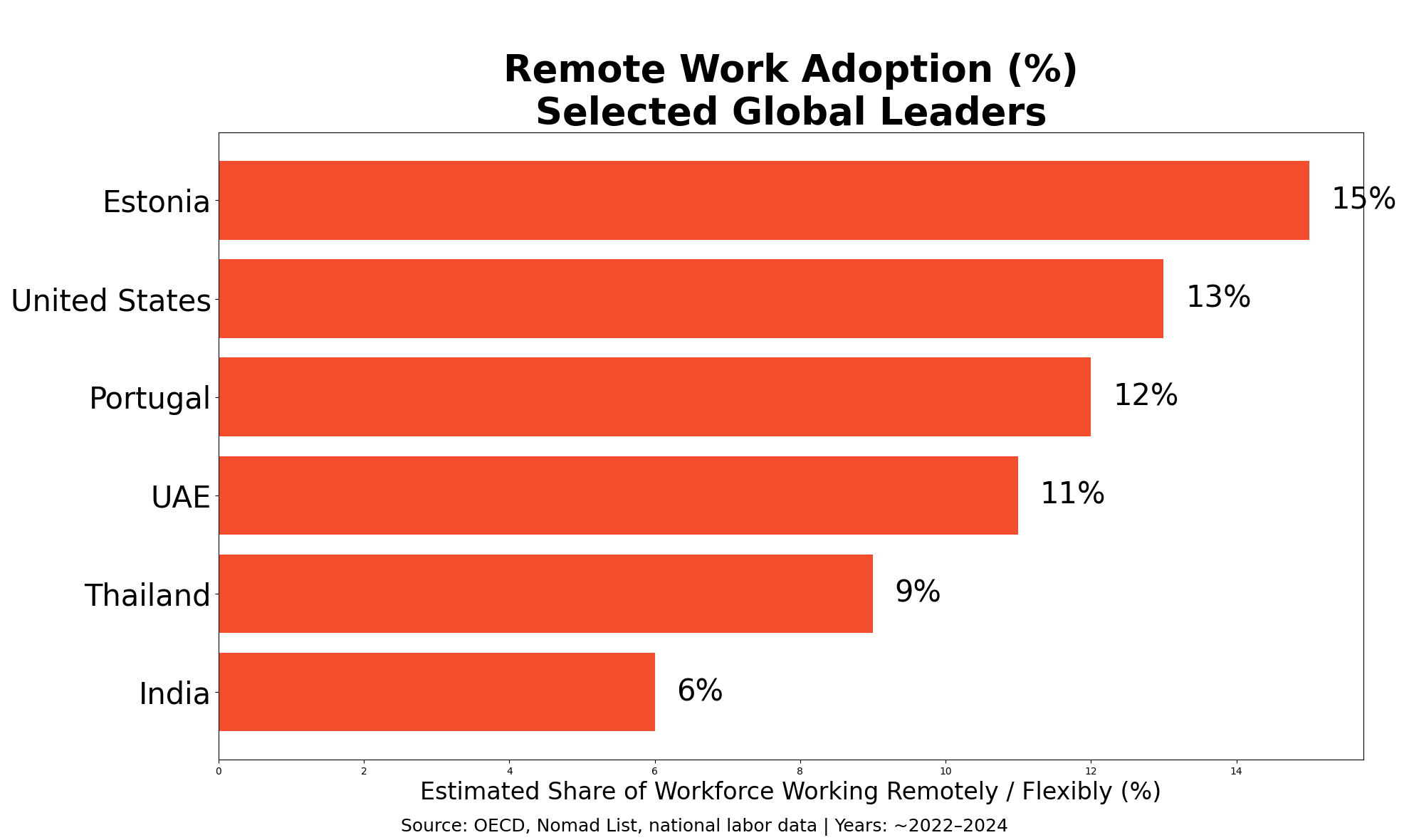
Where people move reveals where opportunity—and pressure—are building.
If you’re thinking about where to live, invest, or retire, these patterns aren’t just interesting—they’re actionable.
Stay curious, stay informed, and keep exploring.
Warm regards,
Shane Fulmer
Founder, WorldPopulationReview.com
P.S. Want to sponsor this newsletter? Reach 143,000+ global-minded readers — click here!