- World Population Review Newsletter
- Posts
- How Pet Culture Quietly Took Over the World
How Pet Culture Quietly Took Over the World
Inside the global rise of billion-dollar pet trends and industries.

Philip Saparov
December 05, 2025
In partnership with

Greetings, curious mind of global trends and wagging tails!
The pet boom isn’t just a feel-good story—it’s a full-blown economic surge. From Tokyo to São Paulo, animals are now influencers, wellness clients, even status symbols.
Billions are pouring into pet care, but the real surprise? The countries leading the pack may not be the ones you expect.
This week, we follow the money—and the paw prints.
Learn how to make every AI investment count.

Successful AI transformation starts with deeply understanding your organization’s most critical use cases. We recommend this practical guide from You.com that walks through a proven framework to identify, prioritize, and document high-value AI opportunities.
In this AI Use Case Discovery Guide, you’ll learn how to:
Map internal workflows and customer journeys to pinpoint where AI can drive measurable ROI
Ask the right questions when it comes to AI use cases
Align cross-functional teams and stakeholders for a unified, scalable approach
In Japan, the pet industry isn’t just booming—it’s redefining family. With one of the world’s lowest birth rates and a rapidly aging population, more people are turning to pets for companionship and purpose. Today, there are more pets than children under 15 in Japan—by a wide margin.
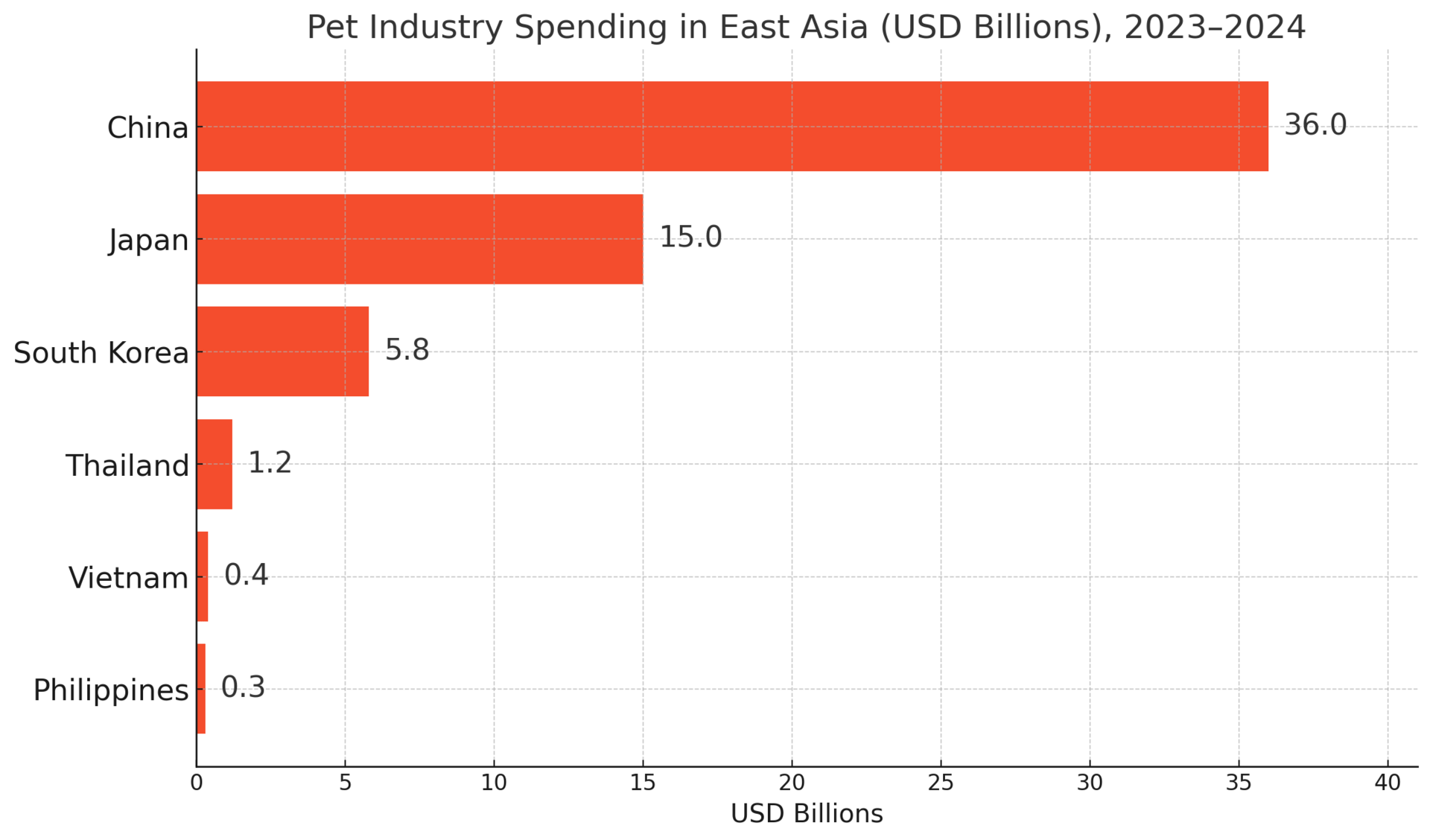
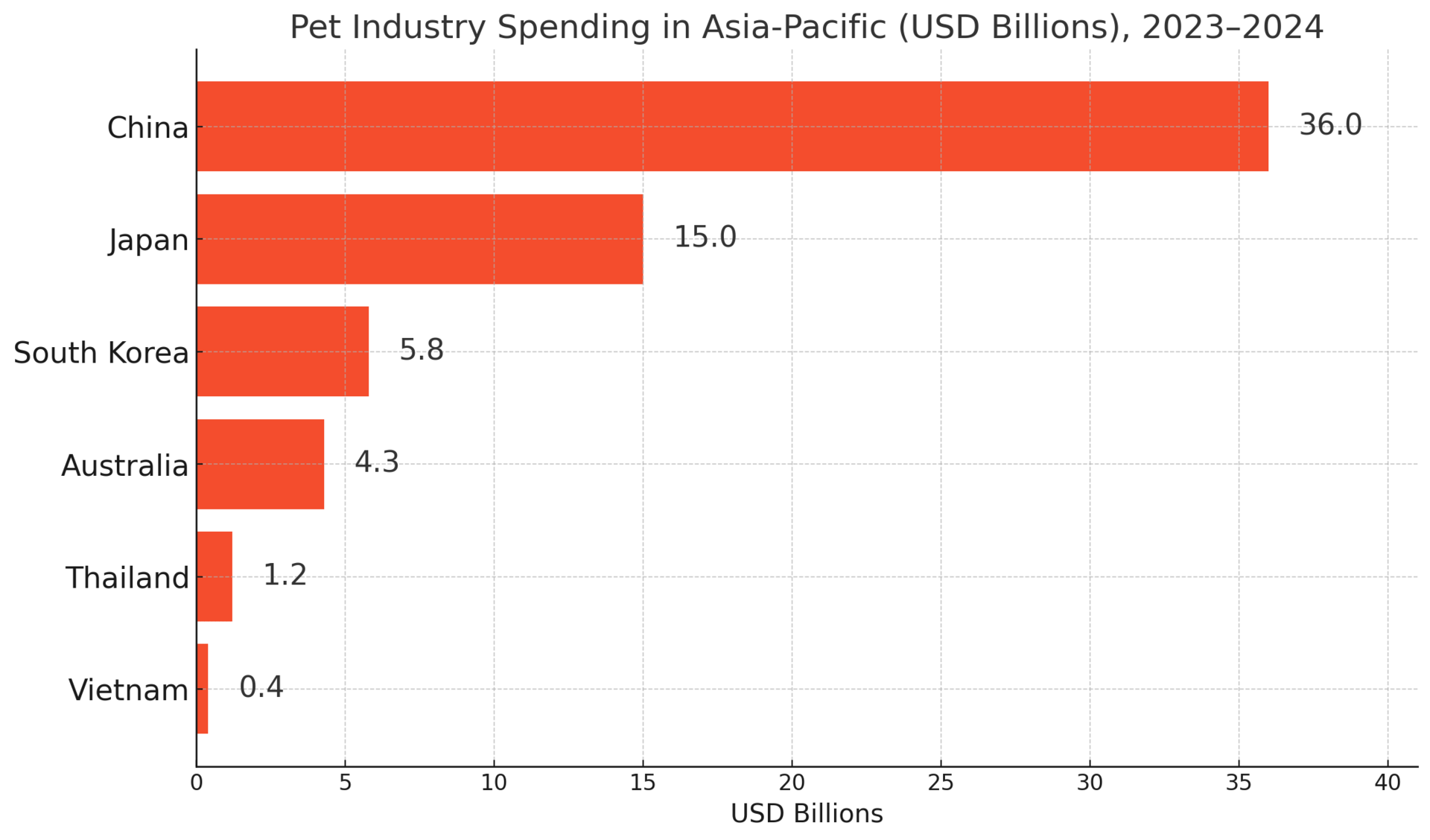
That emotional shift has triggered an economic one. Japan’s pet market is worth over $15 billion, driven by luxury pet goods, high-end grooming salons, and even Buddhist funerals for pets. Tokyo’s "pet condos" cater to animals with designated dog elevators and built-in grooming rooms.
Top pet trends? Organic dog food, cat cafés, and AI-enabled health monitors.
📌 Little-known insight: Japan has an annual “Pet Fashion Week” in Tokyo—complete with runways, designer collars, and media coverage rivaling human fashion shows.
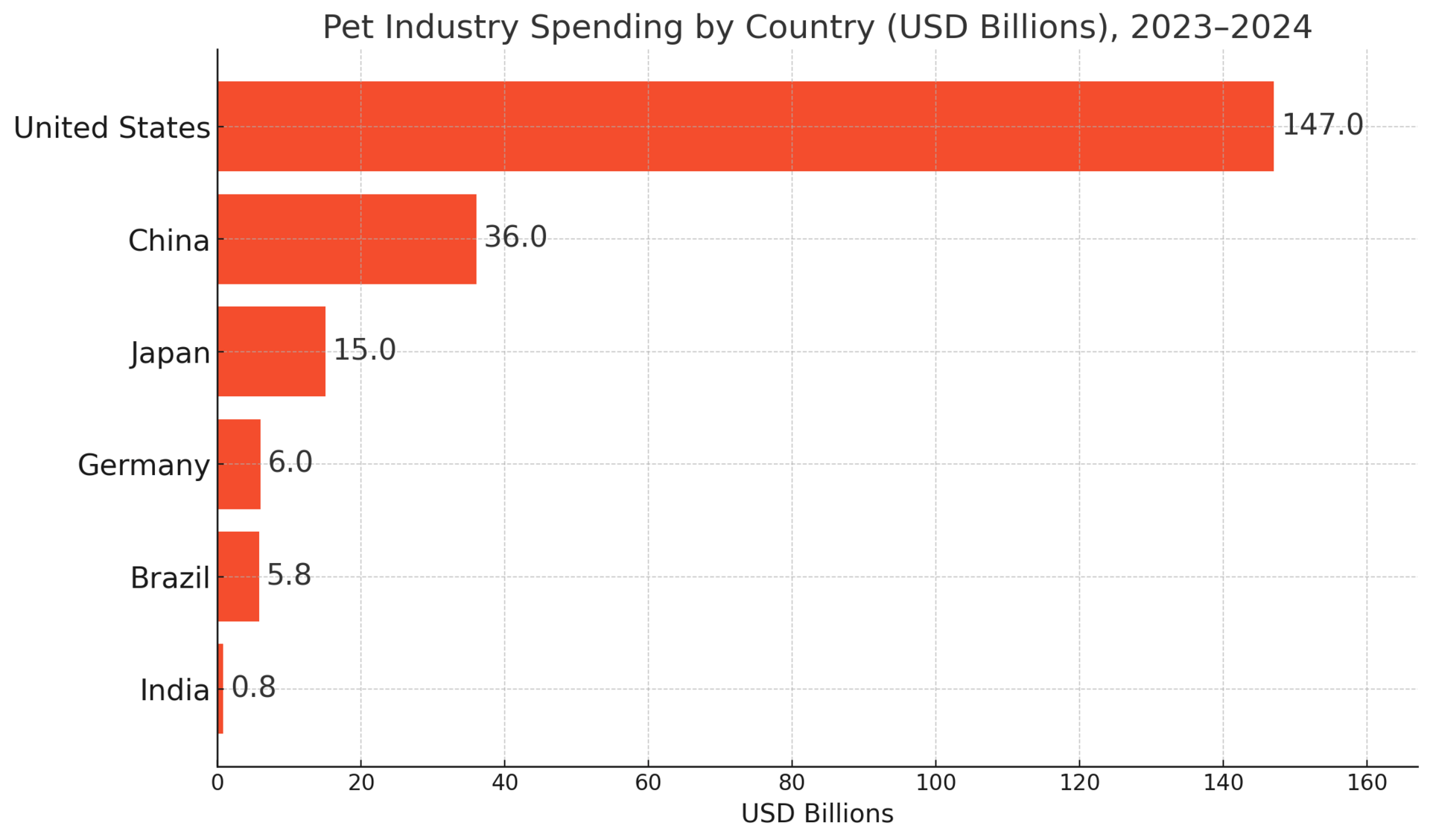
Brazilians adore their pets—and they’re spending big to show it. Brazil now ranks #2 globally in pet ownership and leads all of Latin America in pet-related spending. With over 149 million pets, including dogs, cats, birds, and exotic species, the country’s pet care market is worth over $10 billion and growing fast.
Urbanization is a big driver. As more Brazilians live in apartments, smaller dog breeds and indoor cats are becoming popular, fueling demand for specialized products like pet strollers, training pads, and boutique grooming.
What’s especially interesting is the rise of pet wellness clinics, mirroring human healthcare trends. Services include acupuncture, aromatherapy, and even physiotherapy for aging dogs.
📊 Surprising stat: São Paulo now has more dog spas than baby daycare centers.
In South Korea, the pet boom is cultural—and status-driven. Known as the “Petfam” trend, pets are increasingly viewed not just as companions but as full-fledged family members. The South Korean government even updated legal language to reflect this societal shift, recognizing animals as “living beings.”
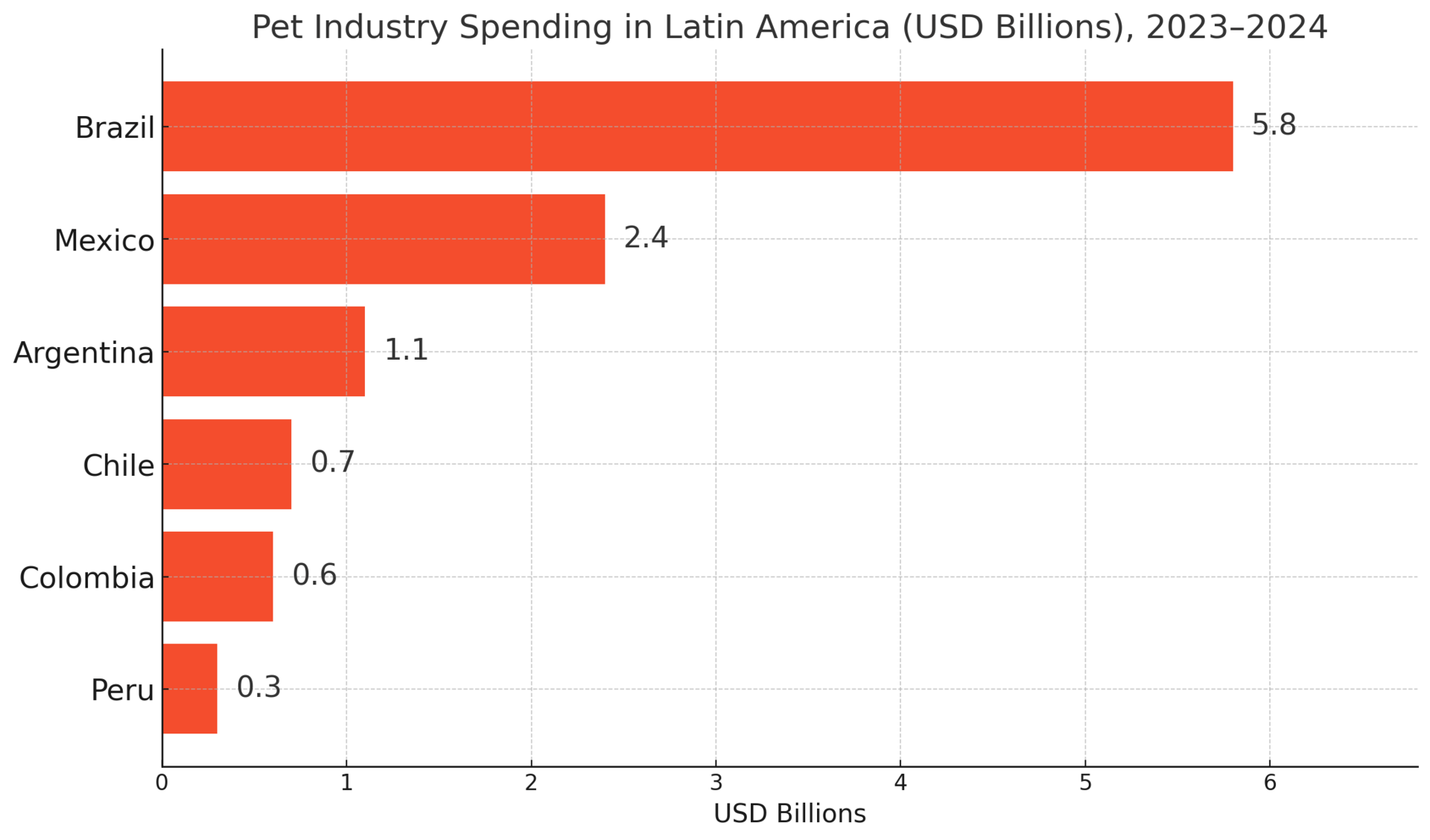
With a pet population topping 15 million, spending has surged. South Koreans now spend $5.8 billion annually on their pets, and the market is expected to double by 2030. Pet cafés, designer clothing, and gourmet pet bakeries are common, and pet insurance is on the rise.
🚀 Eye-opener: A Seoul-based startup recently launched a DNA testing kit—for dogs—offering ancestry insights and personalized diet plans.
The AI Insights Every Decision Maker Needs

You control budgets, manage pipelines, and make decisions, but you still have trouble keeping up with everything going on in AI. If that sounds like you, don’t worry, you’re not alone – and The Deep View is here to help.
This free, 5-minute-long daily newsletter covers everything you need to know about AI. The biggest developments, the most pressing issues, and how companies from Google and Meta to the hottest startups are using it to reshape their businesses… it’s all broken down for you each and every morning into easy-to-digest snippets.
If you want to up your AI knowledge and stay on the forefront of the industry, you can subscribe to The Deep View right here (it’s free!).
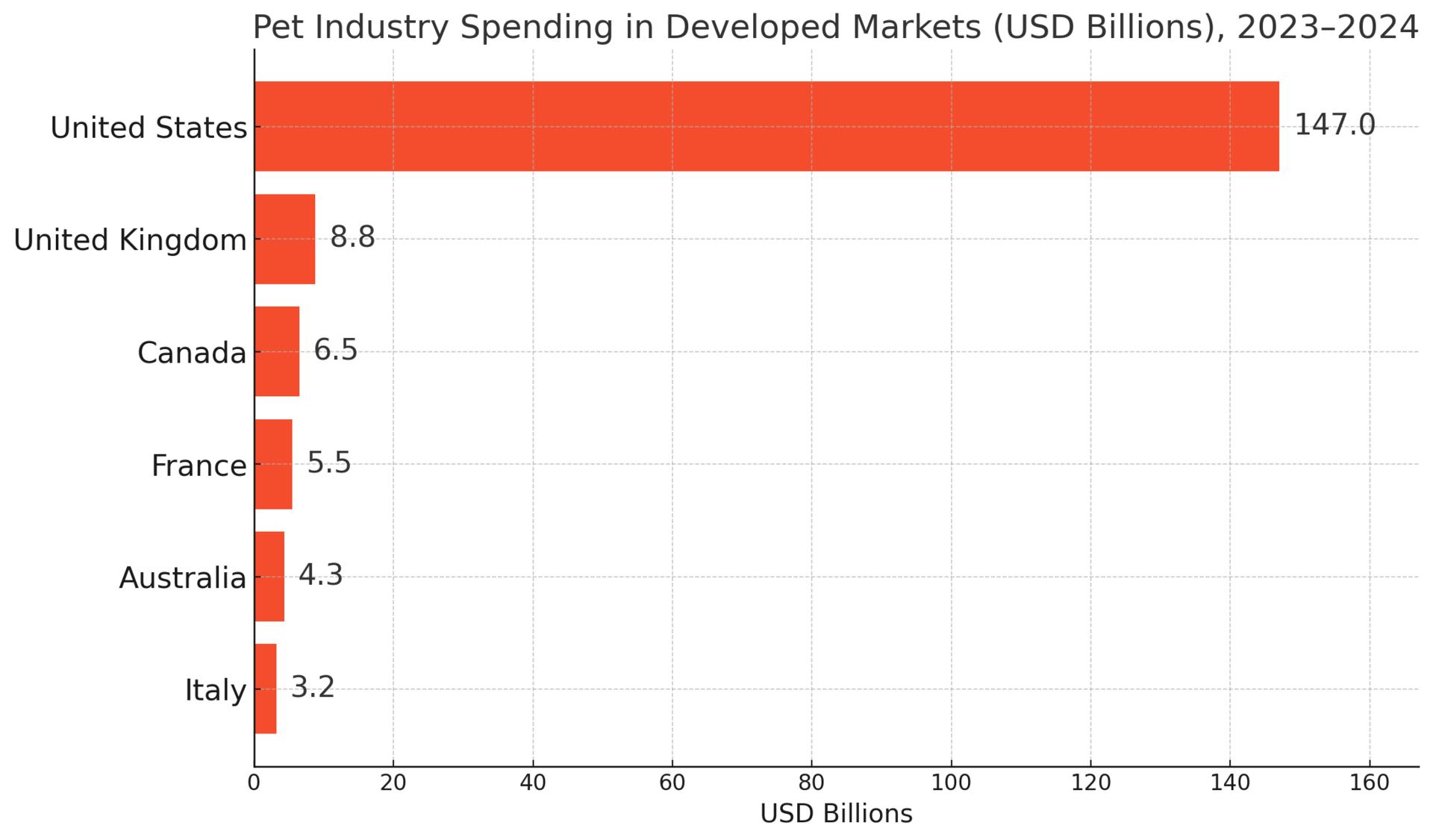
America practically invented the modern pet economy—and it still leads the global pack. Americans spent a record $147 billion on pets in 2023 alone, spanning food, healthcare, boarding, toys, and yes, birthday parties.
But while the scale is unmatched, the trends are evolving. Millennials and Gen Z are now the top pet-owning demographics, treating animals like children and embracing high-tech, eco-friendly, and personalized products. Think: GPS collars, meal delivery kits, and wearable health trackers.
There’s also a boom in pet-friendly real estate, pet travel services, and insurance plans that rival human coverage.
🐕 Unexpected fact: 66% of American households now own a pet—up from 56% a decade ago—driven by pandemic-era adoption surges.
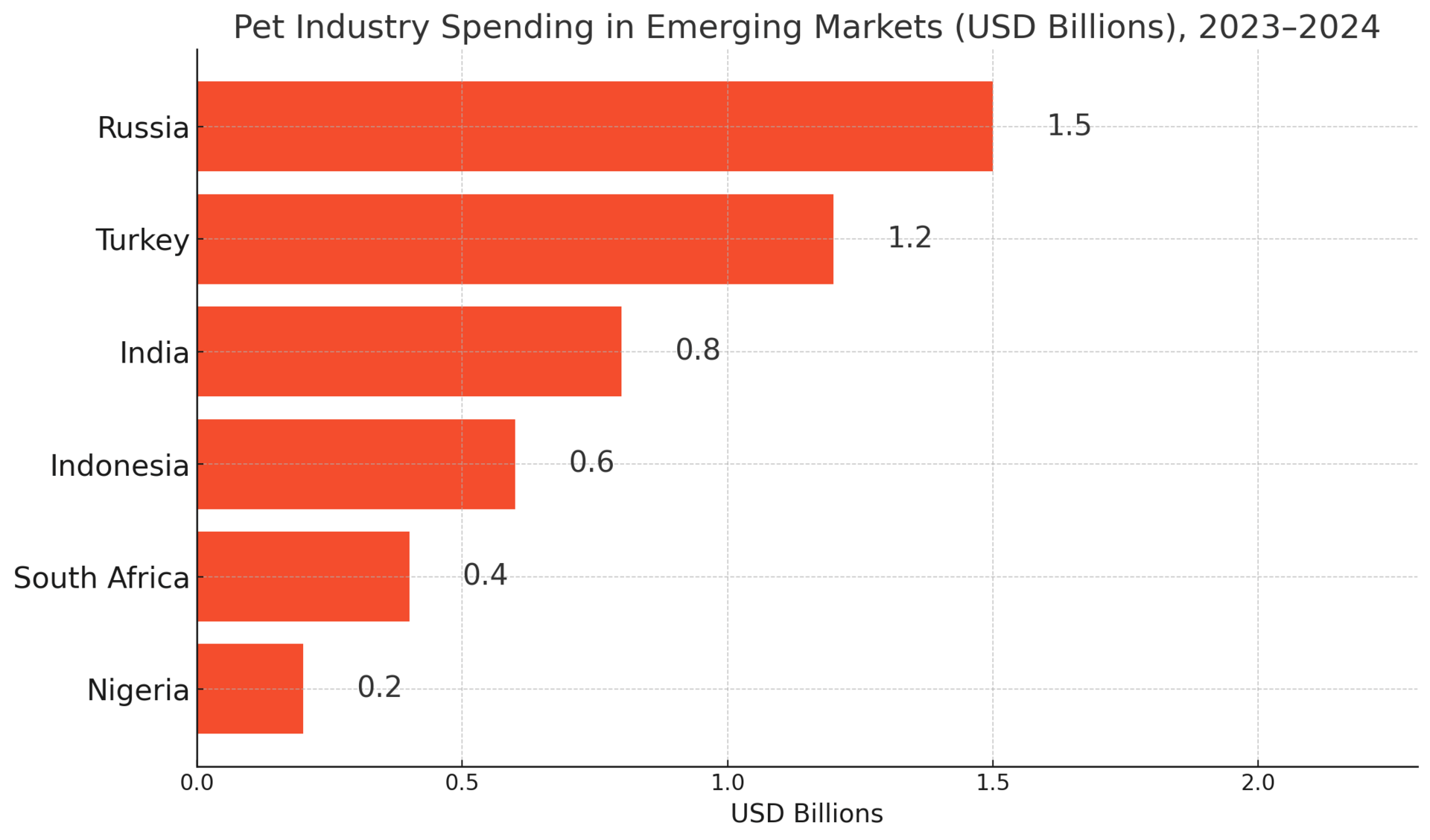
India’s pet industry is in its hyper-growth phase. With a rising middle class, urban expansion, and changing cultural attitudes, India’s pet population has exploded—especially dogs, with over 35 million reported in 2024.
Pet spending is growing at double-digit rates annually, with startups rushing to meet demand. From subscription-based pet food to on-demand vet visits, India’s tech-forward approach is transforming the sector. Pet adoption campaigns are also on the rise, marking a shift from traditional street-dog stigmas to structured, responsible ownership.
🌱 Growth marker: The Indian pet care market is expected to reach $1.5 billion by 2027, up from just $300 million in 2018.
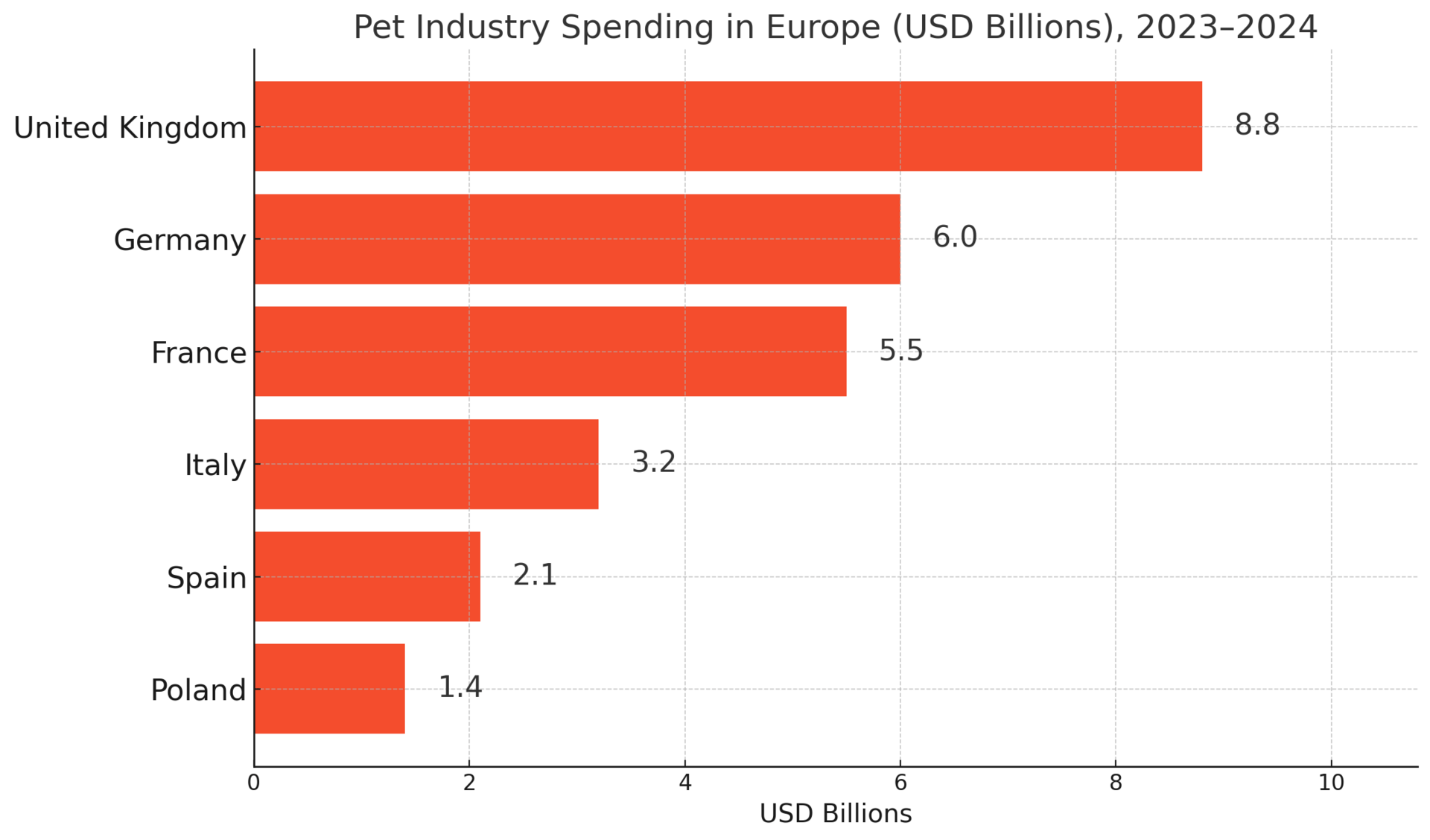
Germany combines pragmatism with deep affection for animals. With some of the world’s strongest animal welfare laws, Germany has banned puppy mills, restricts exotic pet ownership, and requires dog owners to pass a test on pet care.
That hasn’t slowed down the market—it’s helped it mature. German pet owners spend over $6 billion annually, with an emphasis on quality, sustainability, and health. Organic food, zero-waste toys, and eco-conscious grooming services dominate the market.
And it’s not just dogs and cats: small mammals, reptiles, and even pet insects are gaining traction.
📚 Quirky law: In Germany, it’s illegal to leave your dog home alone all day—owners are required to walk their dogs at least twice daily.
Just two decades ago, pet ownership in China was rare—and often frowned upon. Today? It’s a booming market with over 220 million pets, led by urban millennials and Gen Z.
China’s pet economy now exceeds $36 billion, fueled by e-commerce, luxury brands, and rapid cultural shifts. “Pet influencers” dominate Chinese social media, and livestream shopping events often feature cats or dogs as hosts. Pet tech—from smart litter boxes to facial recognition for animals—is a fast-growing segment.
Adoption is also on the rise, with a wave of younger consumers choosing to adopt rather than buy.
🐾 Cultural turn: In 2023, Beijing opened its first “pet-friendly mall” with integrated play parks, grooming centers, and dog-friendly cafés—no leash required.
The pet boom is a mirror of modern life, and as the world grows more digital and disconnected, pets are becoming our companions, communities, and comfort.
Dog parks are the new town squares. Pet adoption pages rival dating apps. And spending on animals is revealing something deeper: a global shift toward care, connection, and meaning.
Until next time—stay sharp, stay curious, and give your dog a biscuit from us.
Warm regards,
Shane Fulmer
Founder, WorldPopulationReview.com
P.S. Want to sponsor this newsletter? Reach 139,000+ global-minded readers — click here!