- World Population Review Newsletter
- Posts
- How Young Adults Are Getting Priced Out Fast
How Young Adults Are Getting Priced Out Fast
Housing, wages, and opportunity drifting further apart.

Philip Saparov
April 07, 2026
In partnership with

Greetings, inquisitive mind of global shifts!
For decades, the formula was simple: work hard, get ahead. Today, it’s breaking down.
Across the world, young people are earning more education—but less ground. Housing costs outpace wages, returns on degrees are less certain, and key milestones are slipping out of reach.
This isn’t just generational—it’s reshaping economies, housing, and where opportunity exists.
In this edition, we explore where the gap is widening—and where it isn’t.
Let’s dive in.
The Key to This $240B Market Is in Your Bloodstream

Every year, $240B is spent on treating the symptoms of osteoarthritis. But not a single therapy has been able to actually stop it. The answer, it turns out, has been inside us all along.
A startup named Cytonics discovered the human body already produces a protein designed to protect cartilage. It just doesn’t produce enough where it's needed most. So Cytonics harnessed it.
Their first-generation therapy has already treated 10,000+ patients. Now they've engineered a 200% more potent, mass-producible version pushing toward FDA approval.
If approved, it could be the first therapy to actually halt cartilage destruction and promote regrowth in a market that has never had a real solution. Claim a piece at the pre-clinical stage as an early-stage investor before March 26 to receive time-sensitive investor bonuses.
This is a paid advertisement for Cytonics Regulation CF offering. Please read the offering circular at https://cytonics.com/
In many parts of the world, the basic cost of living is no longer aligned with entry-level earnings. The result is a growing divide between countries where young people can still “get ahead”—and those where they simply tread water.
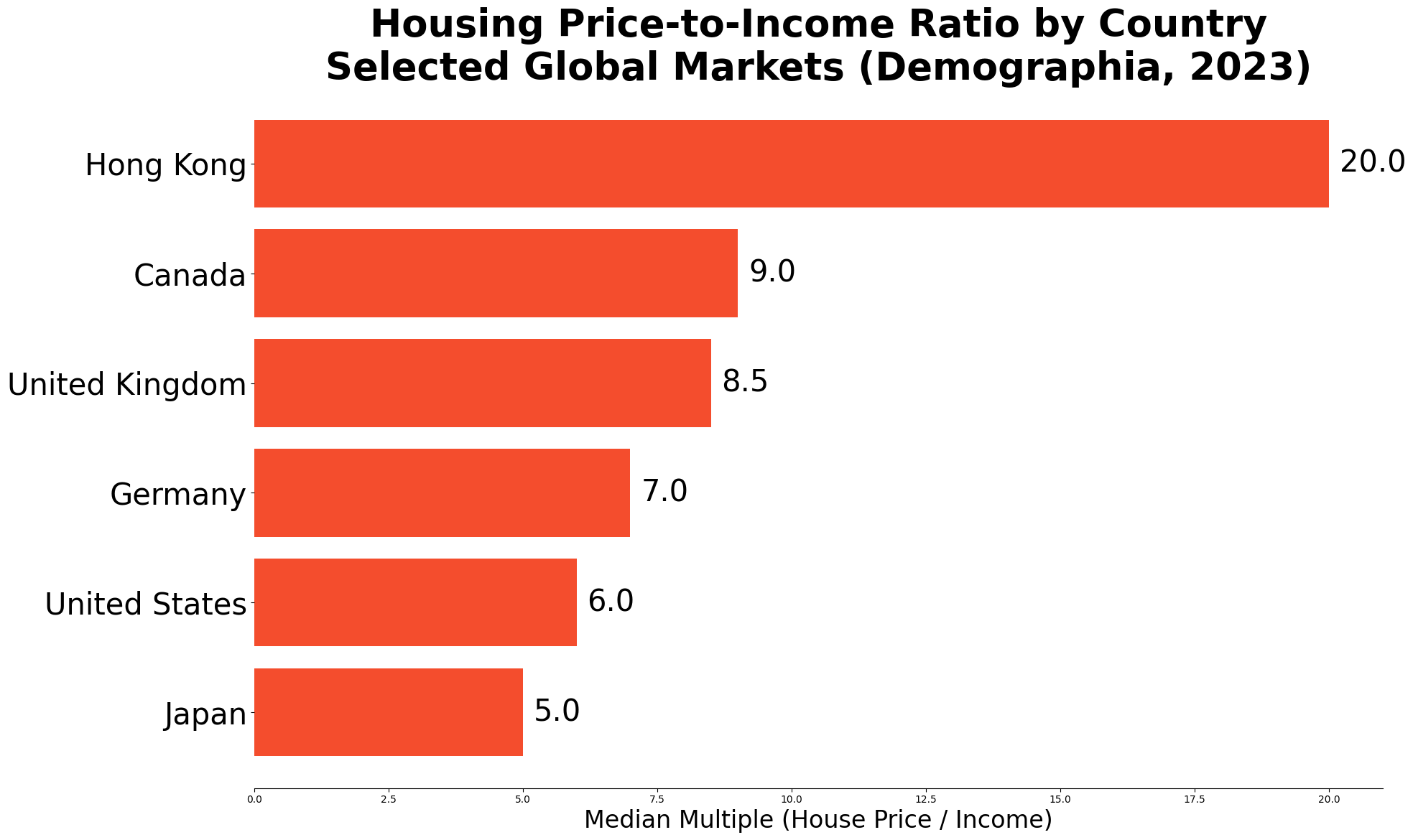
🇭🇰 Hong Kong remains one of the least affordable housing markets on Earth. Median home prices exceed 20 times median income, effectively placing ownership out of reach for most young residents.
🇨🇦 Canada, particularly cities like Toronto and Vancouver, has seen housing prices more than double in the past decade while wages lag behind. Even high earners struggle to enter the market.
🇩🇪 Germany offers a contrasting model. While homeownership is lower, strong tenant protections and stable rents allow young people to maintain financial stability without buying.
Putting It Into Perspective: For those thinking about relocation or investment, affordability is no longer just about price—it’s about the ratio of income to essential costs.
A telling detail: In Hong Kong, the average apartment is smaller than a parking space in many U.S. cities.
The United States still offers opportunity—but the entry point has shifted significantly upward.
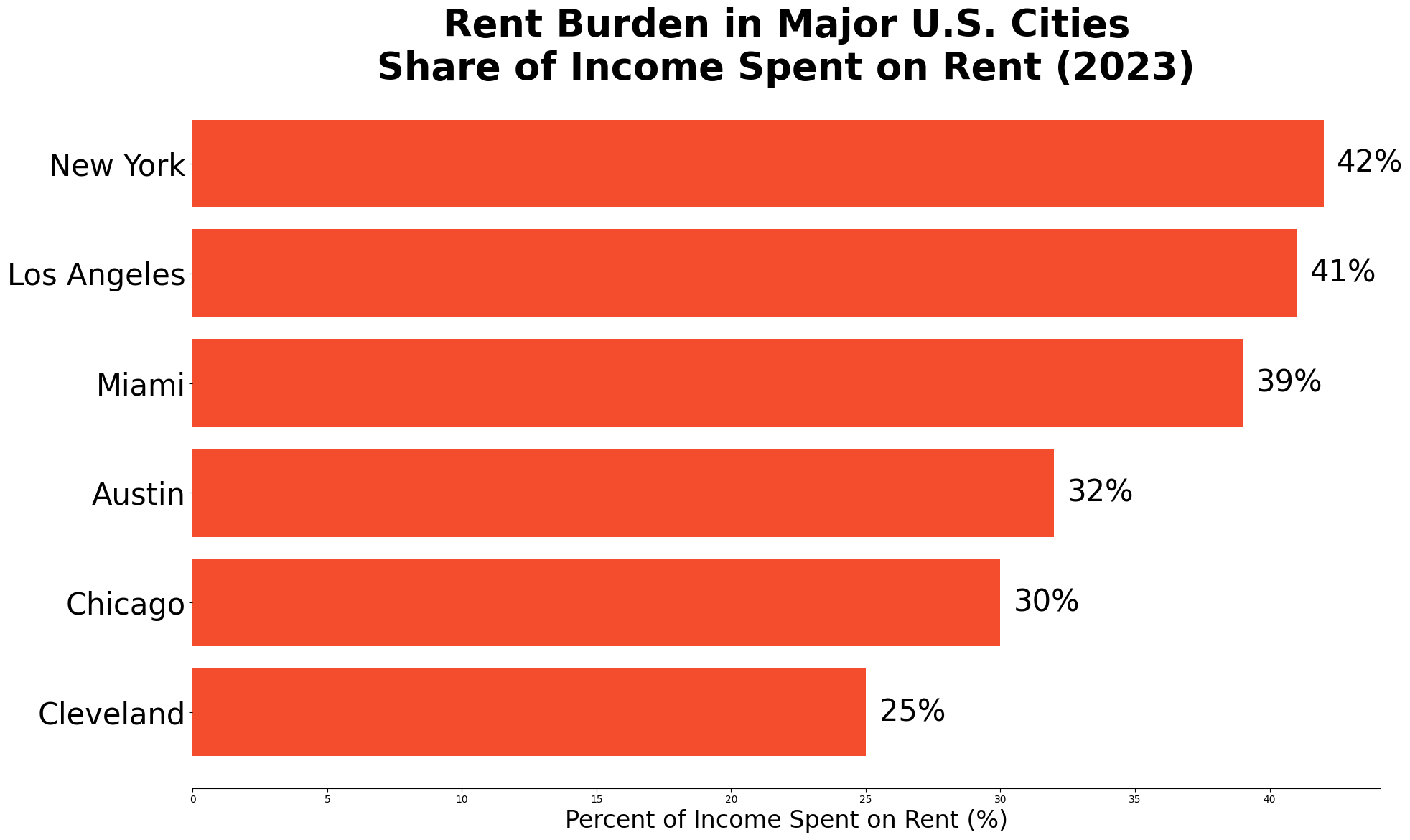
🏙️ In cities like New York and Los Angeles, rent for a modest one-bedroom can consume over 40% of a young professional’s income.
🎓 Student debt now exceeds $1.7 trillion nationwide, delaying homeownership, entrepreneurship, and even family formation.
📈 Meanwhile, wages for young workers—adjusted for inflation—have remained largely flat over the past two decades.
Putting It Into Perspective: The U.S. remains attractive for career growth, but the cost of entry varies dramatically by location. Secondary cities—like Austin or Raleigh—offer a more balanced equation.
Surprising shift: The average first-time homebuyer in the U.S. is now 36 years old—the highest on record.
Europe presents a different picture: less volatility, but also fewer fast-track opportunities.
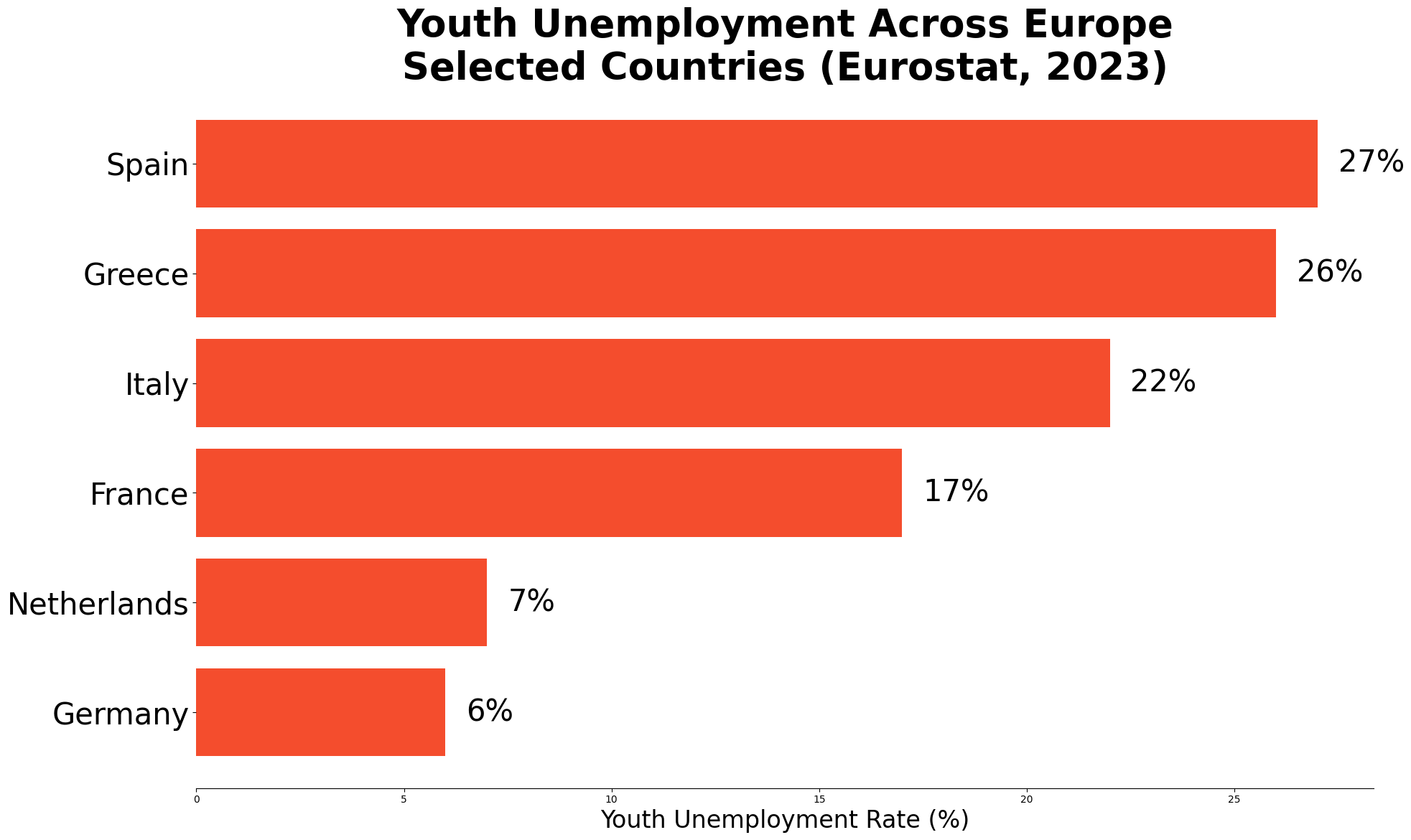
🇪🇸 Spain and 🇮🇹 Italy struggle with youth unemployment rates often exceeding 20%, limiting income growth despite lower living costs.
🇫🇷 France provides strong social safety nets, but rigid labor laws can make it difficult for young people to secure stable, long-term positions.
🇳🇱 The Netherlands has become increasingly expensive, with housing shortages pushing young residents into long waiting lists or shared living.
Putting It Into Perspective: Europe often offers a higher baseline quality of life—but at the cost of slower financial mobility.
A quiet reality: In parts of Southern Europe, it’s now common for adults in their 30s to still live with their parents—not by choice, but by necessity.
Private Credit on Your Terms

Percent's secondary marketplace lets accredited investors buy into eligible deals or indicate interest in selling existing positions. Secondary market access in private credit is still rare. 16.72% current weighted average coupon. Terms start at 3 months. New investors can receive up to $500 credit.
Alternative investments are speculative. Secondary liquidity not guaranteed. Past performance not indicative. Terms apply.
Asia’s fastest-growing economies are also among the most demanding for young people trying to build a life.
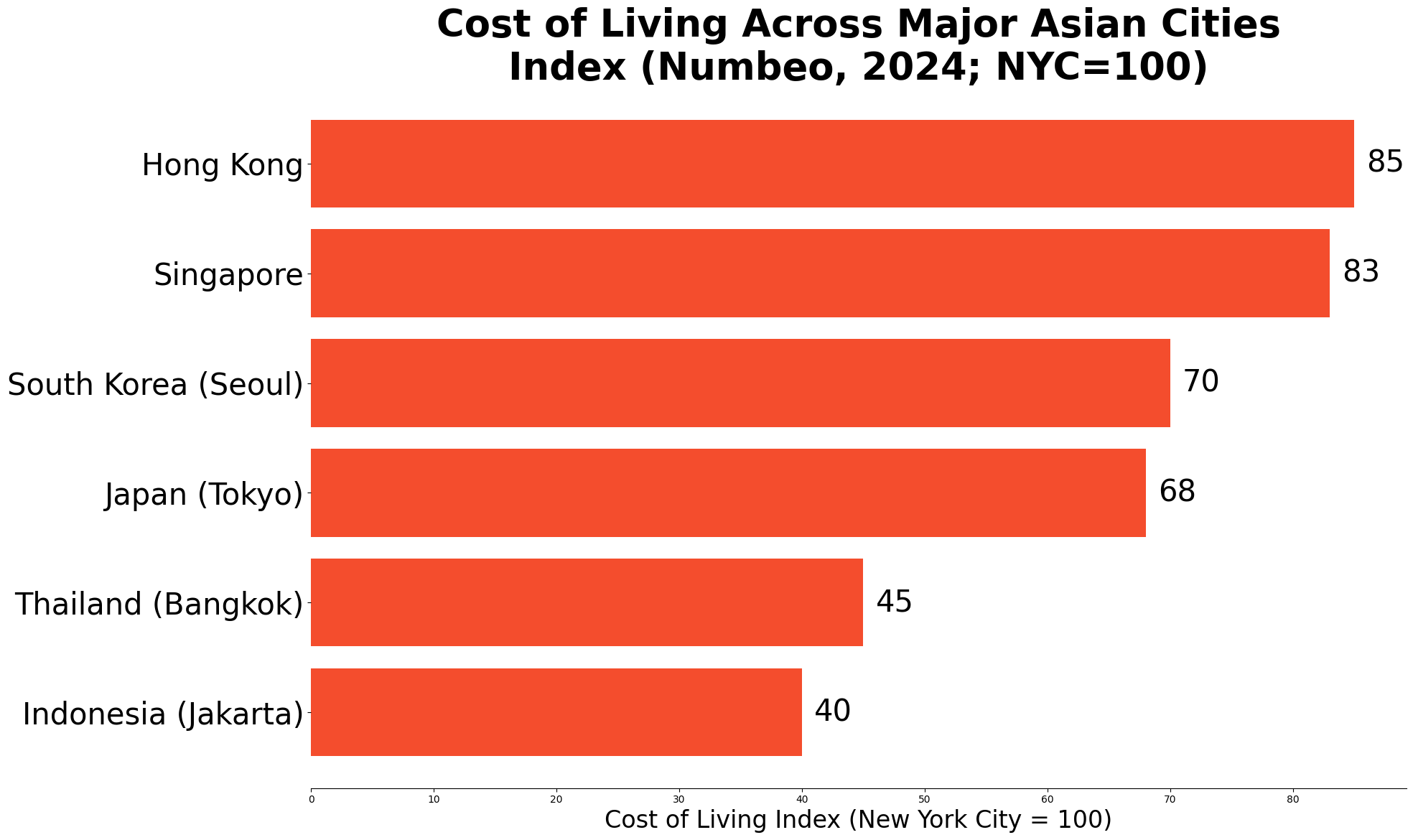
🇰🇷 South Korea combines high education costs, intense competition, and soaring housing prices—creating one of the highest youth stress levels globally.
🇯🇵 Japan offers stability but stagnant wages, making it difficult for younger generations to accumulate wealth despite low unemployment.
🇸🇬 Singapore delivers strong incomes but equally high living costs, particularly in housing—though government subsidies help offset the burden.
Putting It Into Perspective: Asia rewards top performers generously—but the path is narrow and highly competitive.
A striking figure: In Seoul, the price-to-income ratio for housing has more than tripled in a single generation.
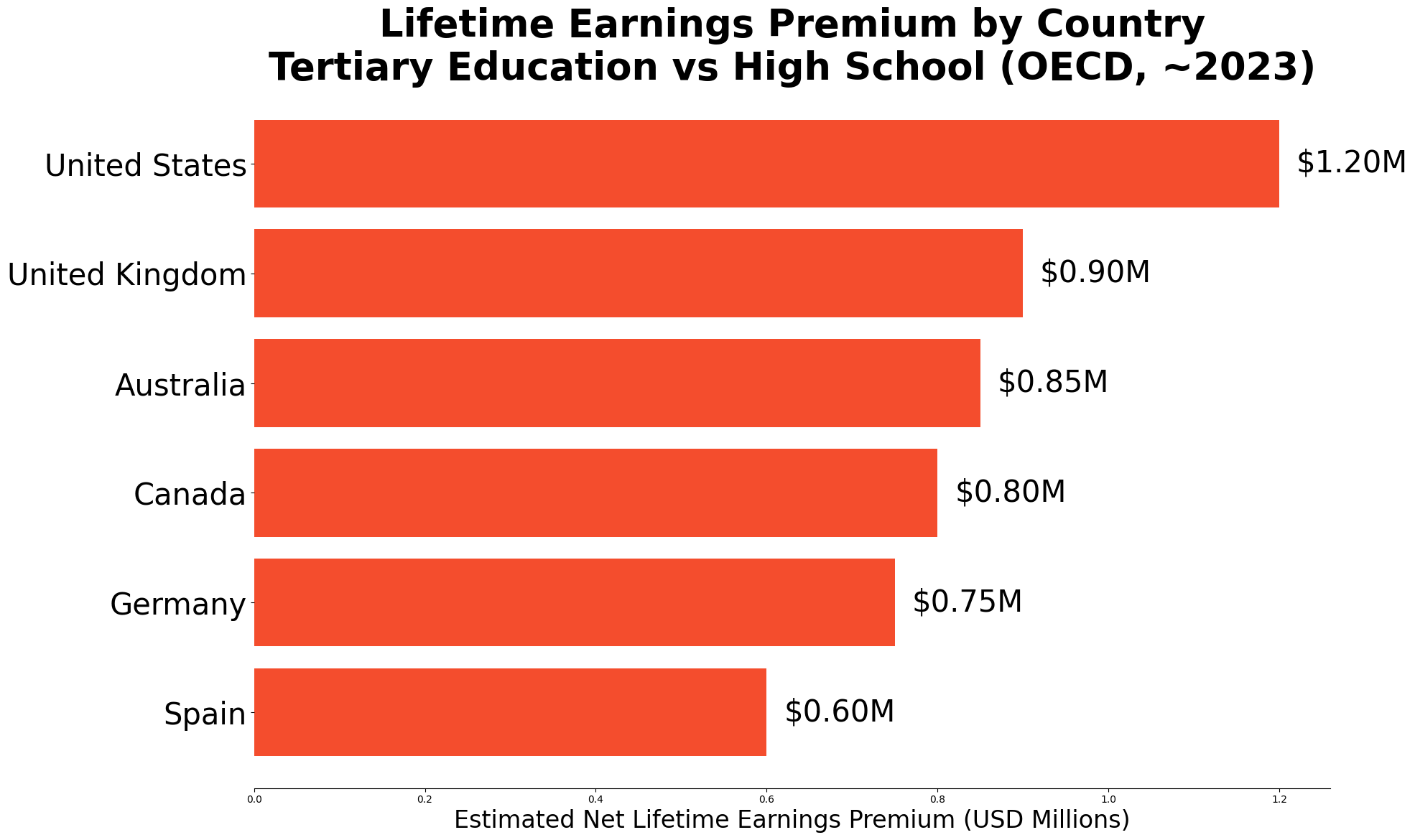
Higher education was once a reliable investment. Today, its value varies widely depending on where—and what—you study.
🇬🇧 United Kingdom graduates often leave university with substantial debt, while starting salaries struggle to keep pace with living costs in cities like London.
🇦🇺 Australia has seen international education boom, but domestic students face rising tuition and housing costs simultaneously.
🇩🇪 Germany again stands out, offering tuition-free or low-cost education—reducing financial pressure on young graduates.
Putting It Into Perspective: The key question is no longer “Should you study?” but “Where and at what cost?”
Unexpected insight: In some countries, skilled trades now outperform university degrees in early-career earnings.
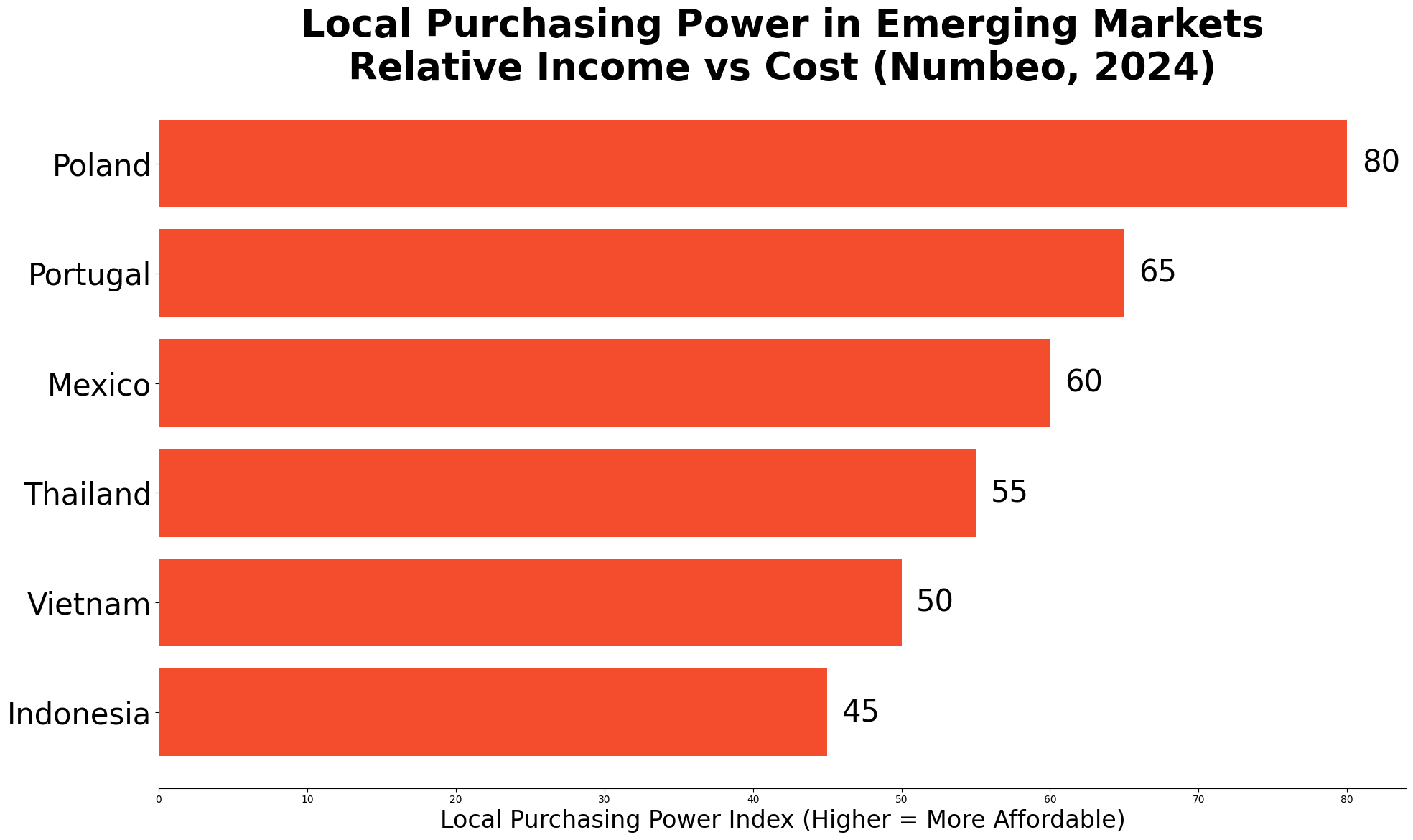
Despite the challenges, not all regions are moving in the same direction. Some are quietly becoming havens of affordability and opportunity.
🇵🇹 Portugal offers relatively low living costs, growing remote work infrastructure, and favorable visa programs.
🇲🇽 Mexico—especially cities like Mérida and Guadalajara—provides a lower cost of living with improving safety and infrastructure.
🇵🇱 Poland combines rising wages with still-moderate housing costs, making it one of Europe’s more balanced markets.
Putting It Into Perspective: For globally mobile individuals, opportunity increasingly lies in overlooked markets rather than traditional hubs.
Trend to watch: Remote work is decoupling income from location—reshaping where young people can realistically thrive.
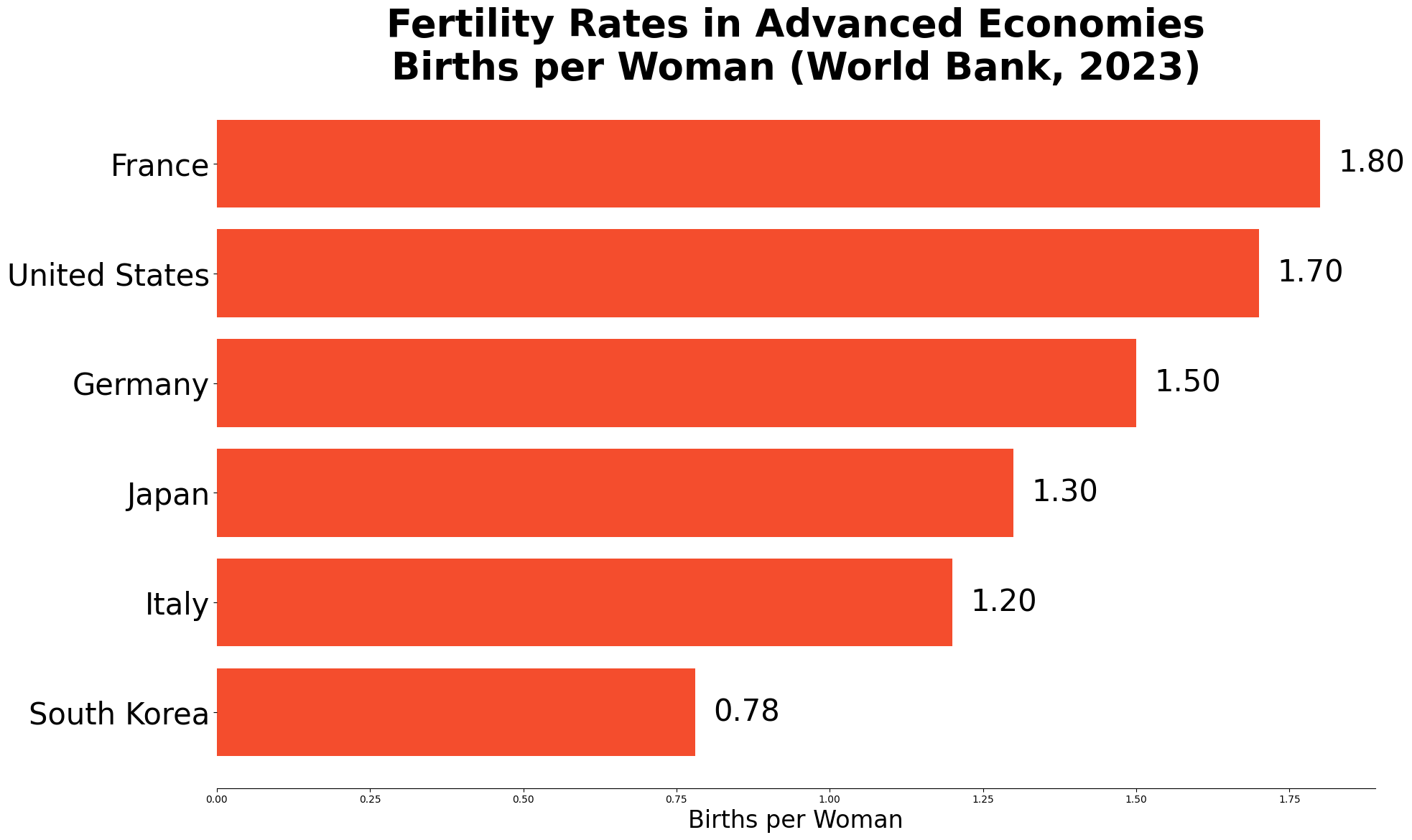
The current trajectory raises a critical question: what happens when an entire generation delays or opts out of traditional life milestones?
🌍 Lower birth rates are already emerging in high-cost regions, from South Korea to parts of Europe.
🏠 Housing markets may shift as demand patterns change—particularly if younger buyers remain sidelined.
💼 Governments and companies are experimenting with solutions, from housing subsidies to student debt relief—but results remain uneven.
Putting It Into Perspective: This is not just a youth issue—it’s a structural shift with long-term implications for economies and societies.
A forward-looking projection: By 2035, affordability—not job availability—may become the primary driver of global migration.
The gap between income and opportunity isn’t snapping—it’s widening, quietly and steadily.
For those watching closely, that creates both risk and advantage. When one place becomes too expensive, another becomes worth a closer look.
Stay informed, stay adaptable—and keep moving toward where opportunity is shifting next.
Warm regards,
Shane Fulmer
Founder, WorldPopulationReview.com
P.S. Want to sponsor this newsletter? Reach 143,000+ global-minded readers — click here!