- World Population Review Newsletter
- Posts
- Preventable Deaths: Where Health Systems Fail
Preventable Deaths: Where Health Systems Fail
Global data reveals gaps in prevention, safety, and early care.

Philip Saparov
March 13, 2026
In partnership with

Greetings, curious observer of the world’s deeper patterns!
Modern medicine has made remarkable progress. Vaccines prevent deadly infections, trauma care saves lives that once would have been lost, and screening programs detect diseases earlier than ever.
Yet millions of people still die each year from causes researchers classify as preventable or treatable—deaths that better prevention, earlier detection, or timely care could often avoid.
The differences between countries can be striking.
Let’s explore what the data reveals.
The $4 Billion Problem Hiding in Nearly Every Fast-Food Location

You show up to your favorite fast-food restaurant for a quick meal. But the line is too long, and you’re starving. So you bail.
You’re not alone. 93% of monthly fast-food visitors in America say their top frustration is long lines. And while you miss out on chicken nuggets and fries, restaurant owners lose significant revenue they can’t afford to miss.
So brands like White Castle use Miso Robotics’ AI-powered kitchen restaurant robots to run their fry stations, keeping kitchen operations smooth, workers safe, and customers happy.
Aided by a collaboration with NVIDIA, Miso’s AI-powered Flippy Fry Station robot works 2X faster than average fry cooks. That means operators serve more customers and unlock up to 3X more profits per location. And that means much shorter lines for you.
This is a paid advertisement for Miso Robotics’ Regulation A offering. Please read the offering circular at invest.misorobotics.com.
It’s easy to assume that wealth automatically leads to better health outcomes. But global data tells a more nuanced story.
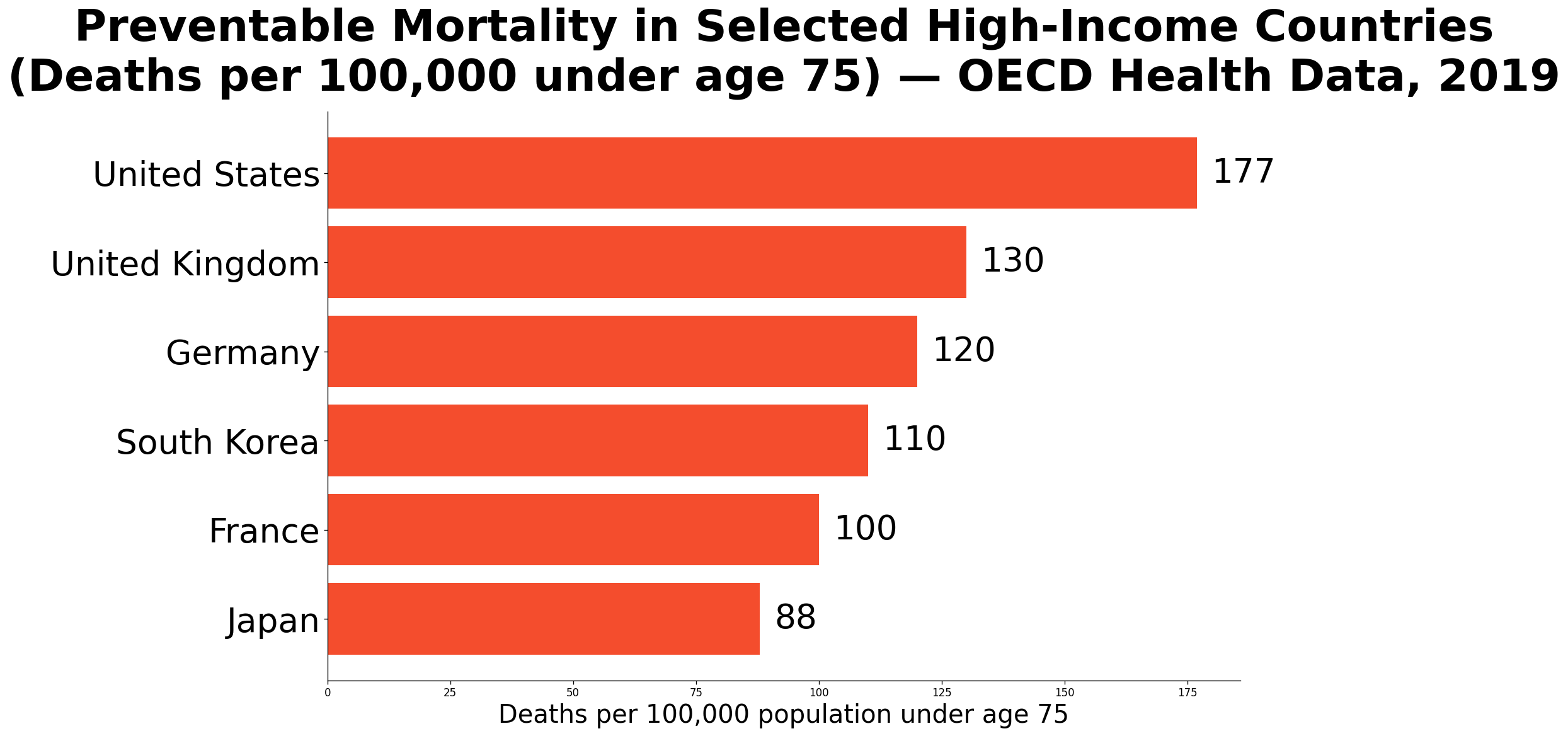
Among high-income nations, preventable death rates vary widely.
🇺🇸 United States
The U.S. spends more on healthcare than any other country, yet preventable mortality remains relatively high compared with other wealthy nations. Chronic diseases, delayed care, and uneven screening rates contribute to the gap.
🇬🇧 United Kingdom
The UK’s national healthcare system provides broad access to care, helping keep preventable deaths lower than in some peers. However, rising wait times for certain procedures have become a growing concern.
🇯🇵 Japan
Japan consistently ranks among the best performers globally. Preventive care, frequent health checkups, and strong community healthcare networks help detect problems early.
Putting it into perspective:
Across developed countries, researchers estimate that roughly one out of three deaths before age 75 could be prevented or treated with timely care.
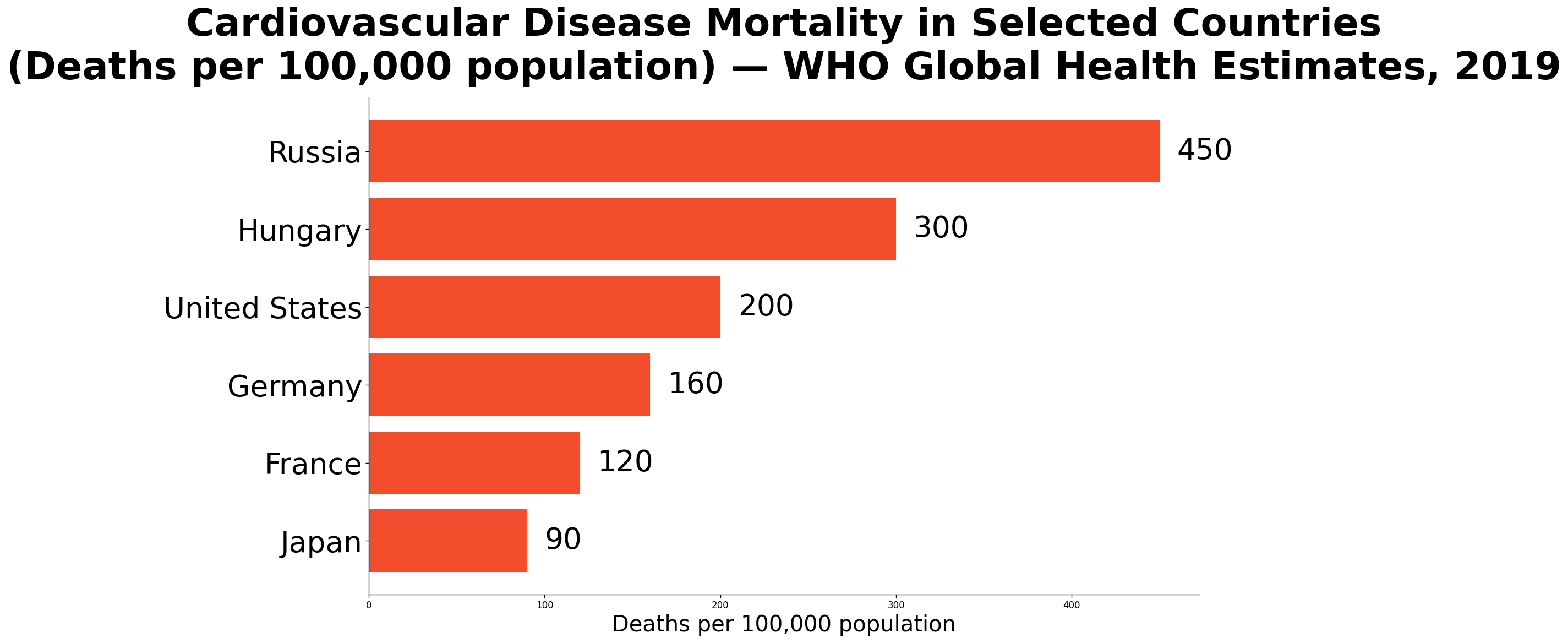
Heart disease remains the leading cause of death worldwide. Yet medical experts estimate that a large share of these deaths could be avoided.
Three countries highlight how outcomes can differ.
🇷🇺 Russia
Russia has historically experienced very high cardiovascular mortality. Contributing factors include smoking, alcohol consumption, and lower participation in preventive screenings.
🇭🇺 Hungary
Hungary has improved in recent decades but still reports higher-than-average rates of heart disease compared with Western Europe. Diet, tobacco use, and limited early detection contribute to the trend.
🇫🇷 France
France records some of the lowest cardiovascular death rates among large developed nations. Diet patterns, preventive care, and strong primary healthcare access all help reduce risk.
Fascinating insight:
According to global health researchers, up to 80% of premature heart disease and stroke cases could be prevented through lifestyle improvements and early treatment.
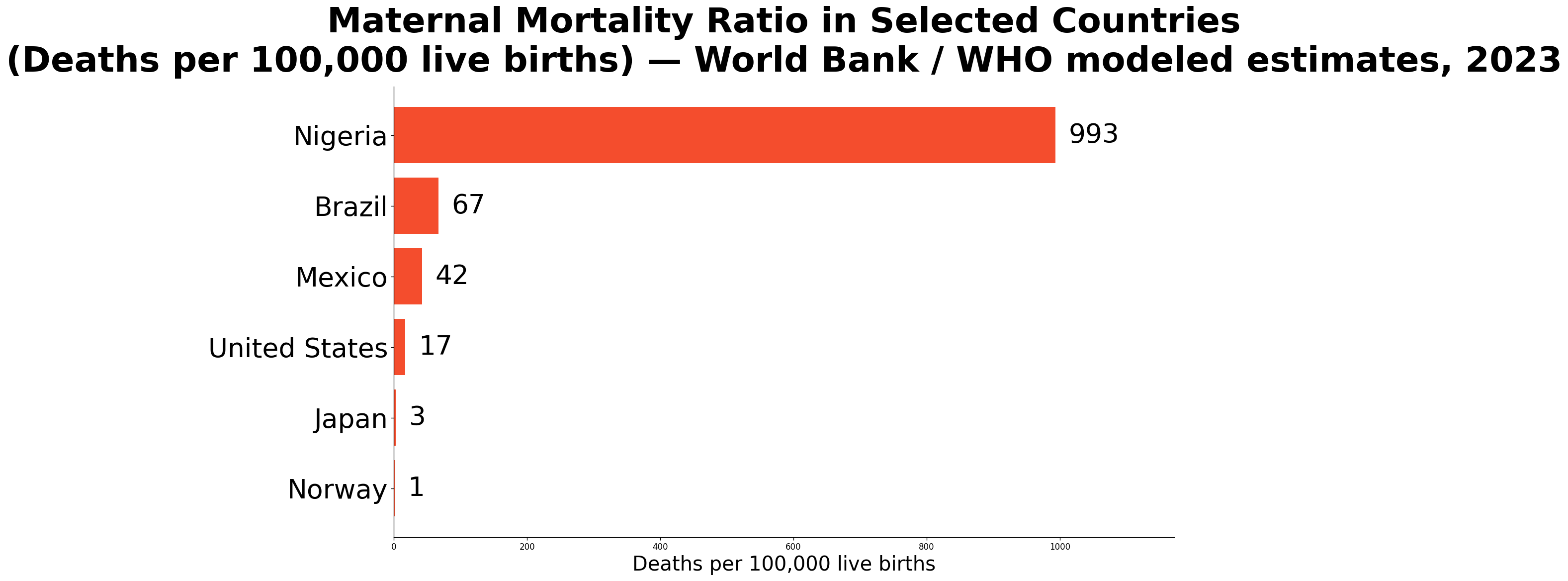
Few indicators reveal the strength of a healthcare system more clearly than maternal mortality—the risk of death during pregnancy or childbirth.
In countries with strong prenatal care and emergency obstetric services, maternal deaths are rare. Elsewhere, the risks remain higher.
🇳🇴 Norway
Norway has one of the world’s lowest maternal mortality rates. Nearly all births occur in well-equipped facilities with trained medical teams.
🇲🇽 Mexico
Mexico has made steady progress, but rural areas still face challenges related to hospital access and emergency transport.
🇳🇬 Nigeria
Nigeria accounts for a significant share of global maternal deaths each year. Limited access to skilled birth attendants and emergency care contributes to the high rate.
A striking fact:
The World Health Organization estimates that most maternal deaths are preventable with timely medical care and skilled assistance during childbirth.
270 Million Stems Sold And Counting

With 270 million stems sold and $90M+ in recent revenue, The Bouqs Co. has proven its market dominance. Now, the floral ecommerce leader is launching 70+ retail studios to capture more high-margin event and same-day delivery markets. Become a shareholder in The Bouqs Co.
Invest in The Bouqs Co.
This is a paid advertisement for The Bouq’s Regulation CF offering. Please read the offering circular at https://invest.bouqs.com/
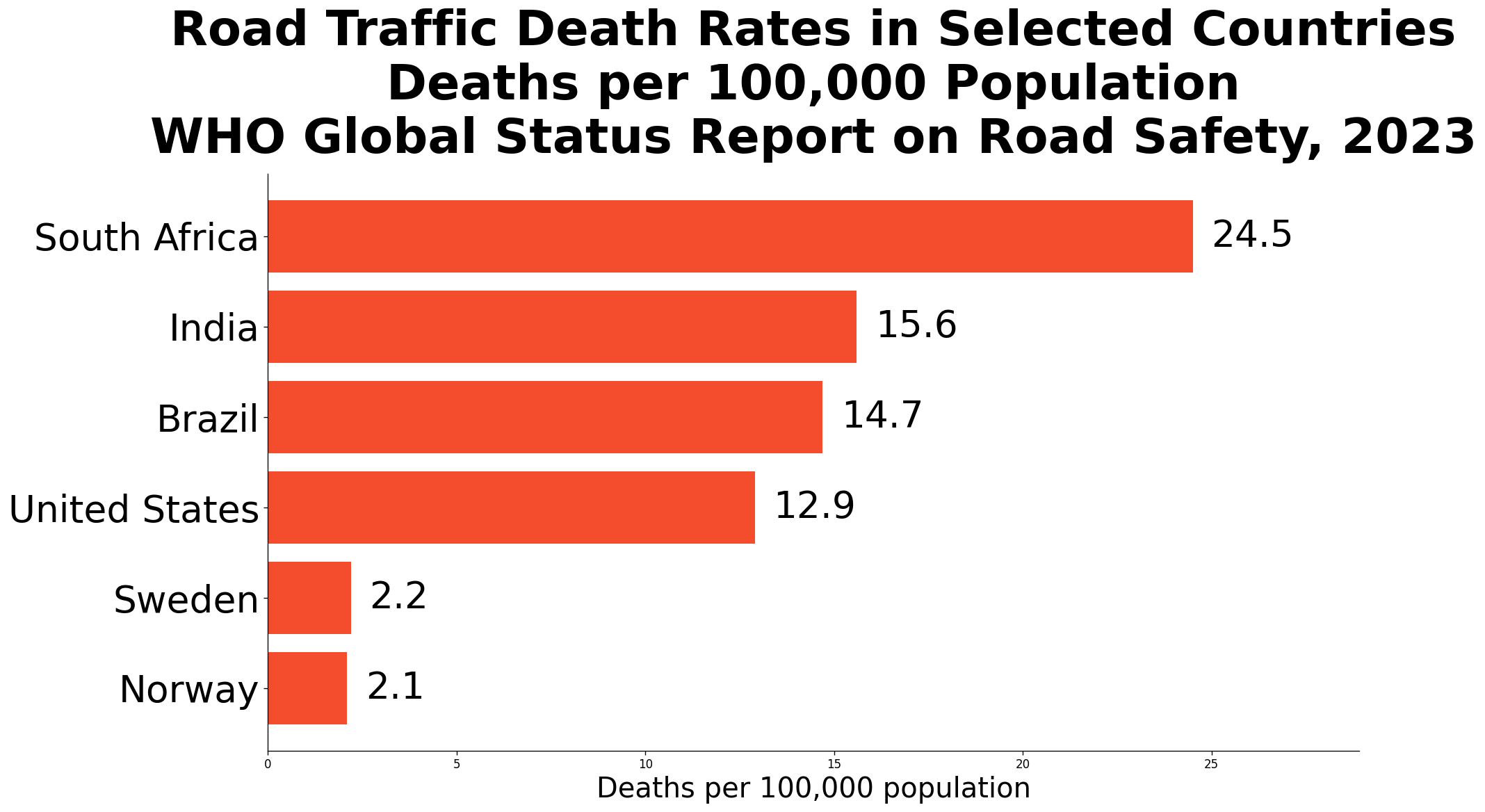
Not all preventable deaths occur in hospitals. Many happen on roads.
Traffic injuries claim more than 1.3 million lives globally each year, yet safety policies and infrastructure dramatically influence outcomes.
🇸🇪 Sweden
Sweden’s “Vision Zero” strategy—focused on safer roads, vehicle design, and strict enforcement—has produced some of the world’s lowest traffic death rates.
🇺🇸 United States
The U.S. experiences significantly higher road fatality rates than many other wealthy nations. Larger vehicles, longer travel distances, and varying road design standards all play a role.
🇮🇳 India
India records one of the highest numbers of road deaths globally due to rapid urbanization, heavy traffic, and inconsistent enforcement of safety rules.
Perspective:
Experts estimate that simple measures—seat belts, helmets, speed limits, and road design—can reduce traffic deaths by more than half.
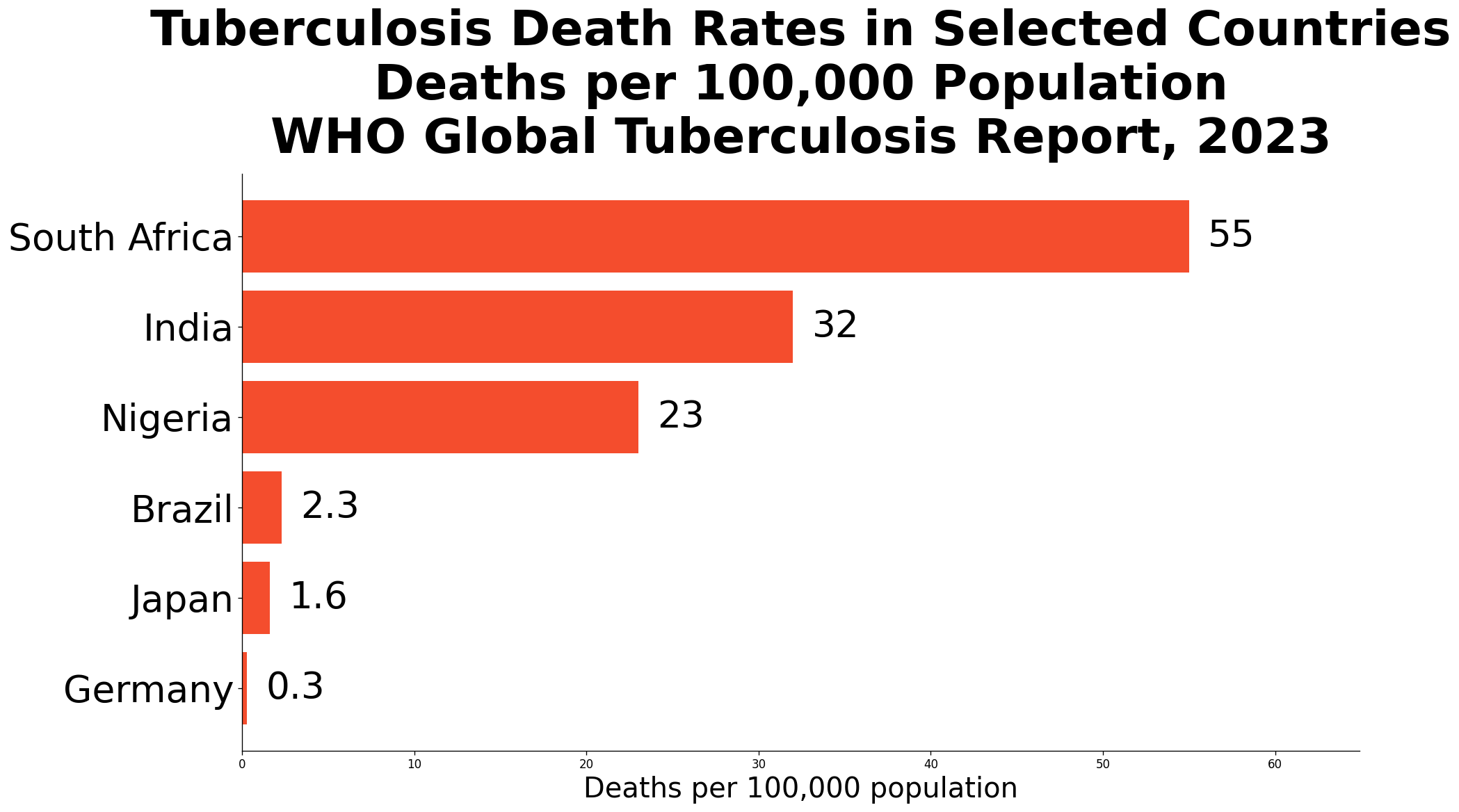
Vaccines and antibiotics have transformed global health. Yet certain infectious diseases still cause preventable deaths, particularly where healthcare systems face limitations.
Three examples illustrate the challenge.
Tuberculosis – 🇮🇳 India
India carries the world’s largest tuberculosis burden. Expanded screening and treatment programs are gradually improving outcomes.
Malaria – 🇳🇬 Nigeria
Nigeria accounts for a large share of global malaria deaths. Mosquito control, improved diagnostics, and wider distribution of bed nets remain key tools.
HIV/AIDS – 🇿🇦 South Africa
South Africa once faced one of the world’s most severe HIV epidemics. Large-scale antiretroviral treatment programs have significantly reduced deaths in recent years.
Did you know?
Public health experts estimate that vaccines prevent roughly 4–5 million deaths every year worldwide.
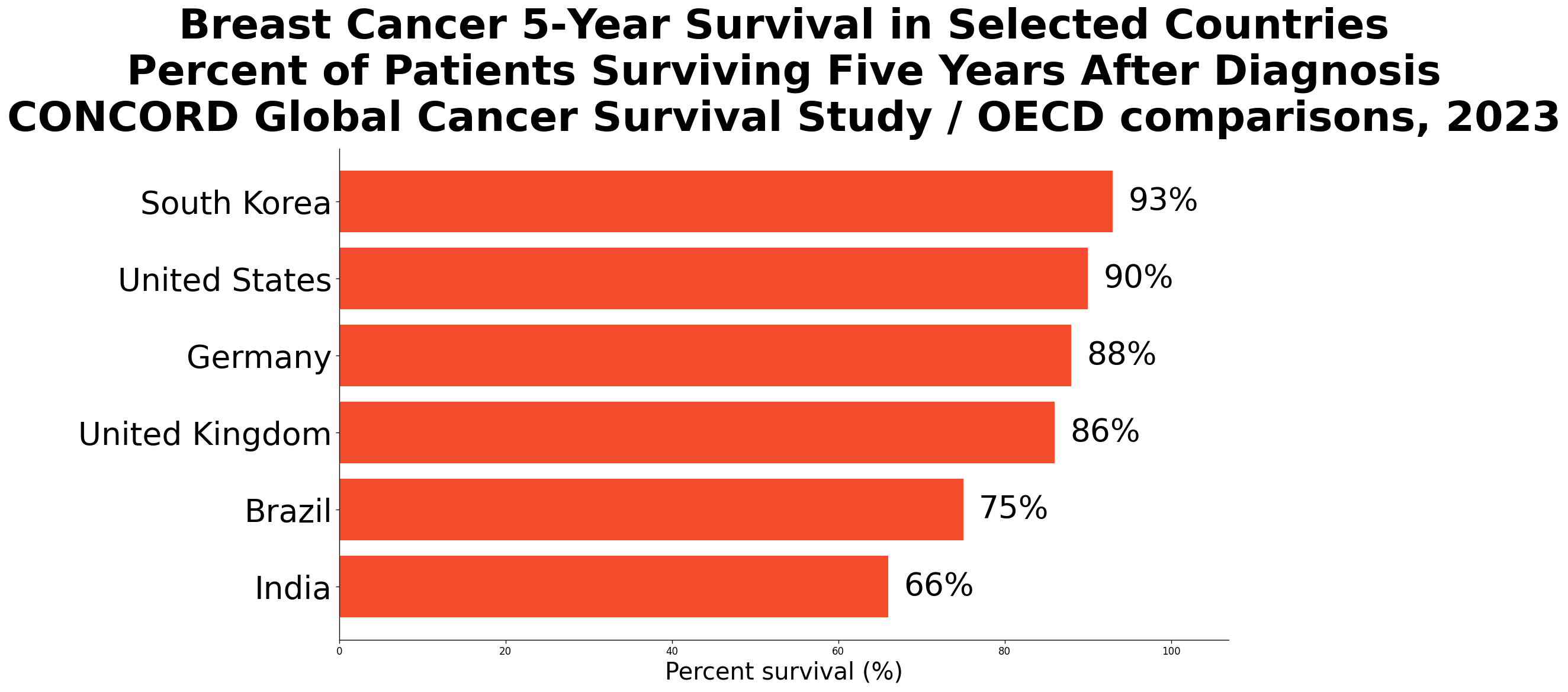
Many diseases become far easier to treat when detected early.
Screening programs—often simple and inexpensive—can dramatically reduce mortality rates.
🇰🇷 South Korea
South Korea runs extensive national screening programs for cancers such as stomach and liver cancer, leading to earlier detection and improved survival.
🇩🇪 Germany
Germany’s healthcare system emphasizes preventive checkups, helping identify chronic diseases before complications develop.
🇧🇷 Brazil
Brazil has expanded screening programs through its national healthcare system, though access varies by region.
An important insight:
Early detection can double or even triple survival rates for certain cancers, particularly when treatment begins before symptoms appear.
The encouraging news is that many preventable deaths are already declining.
Several trends are driving improvement worldwide:
Technology – Telemedicine, AI diagnostics, and remote monitoring are helping doctors detect problems sooner.
Public health campaigns – Anti-smoking initiatives, vaccination drives, and safety regulations continue to reduce risks.
Better data – Governments now track health outcomes more closely, allowing faster responses to emerging threats.
Yet progress remains uneven. Differences in healthcare infrastructure, prevention programs, and early detection still shape outcomes across countries.
A forward-looking projection:
Researchers estimate that continued improvements in prevention and treatment could save tens of millions of lives globally over the next two decades.
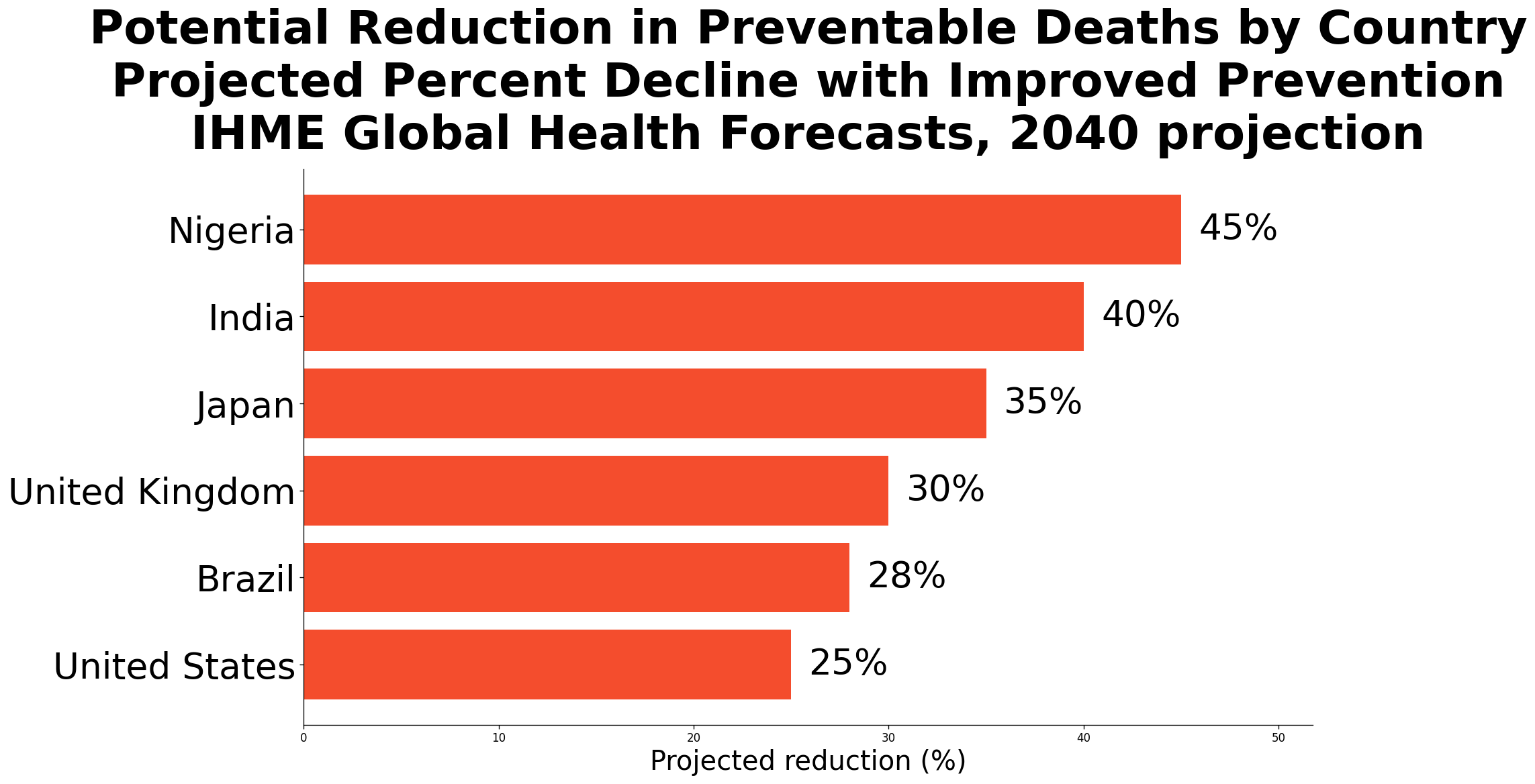
Preventable deaths offer a revealing window into how societies protect health and safety. Where strong prevention systems exist—through early screening, reliable healthcare access, and effective safety measures—lives are saved long before a crisis occurs.
For individuals and families, these patterns matter. They shape not only where people choose to live or retire, but also the reliability of the healthcare systems around them.
The encouraging news: progress continues.
Stay curious, stay informed, and keep exploring the patterns shaping our world.
Warm regards,
Shane Fulmer
Founder, WorldPopulationReview.com
P.S. Want to sponsor this newsletter? Reach 140,000+ global-minded readers — click here!