- World Population Review Newsletter
- Posts
- The Hidden Rebirth: Where Nature’s Winning Again
The Hidden Rebirth: Where Nature’s Winning Again
Restoration hotspots around the world defying environmental decline.

Philip Saparov
January 13, 2026
In partnership with

Greetings, curious guardian of the planet’s future,
You’ve seen the grim headlines—melting ice caps, vanishing forests, lost species.
But here’s the plot twist: nature is fighting back.
From rebounding rainforests to coral comebacks, ecosystems once written off are roaring to life. Quietly, steadily, and backed by data, the planet is healing—faster than most realize.
This edition reveals the surprising places where regeneration is winning—and what it means for your future, your health, and your next big move.
Let’s dive in.
Stay One Scoop Ahead of the New Year

The new year is the perfect time to build healthy habits that actually stick. AG1 helps you stay one scoop ahead of the new year by supporting energy, gut health, and filling common nutrient gaps, all with a simple daily routine.
Instead of chasing resolutions that are hard to maintain, AG1 makes health easier. Just one scoop each morning supports digestive regularity, immune defense, and energy levels, making it one of the most effortless habits to keep all year long. A fresh year brings fresh momentum, and small daily habits can make a meaningful difference.
Start your mornings with AG1, the daily health drink with 75+ ingredients, including 5 probiotic strains, designed to replace a multivitamin, probiotics, and more, all in one scoop.
For a limited time only, get a FREE AG1 duffel bag and FREE AG1 Welcome Kit with your first AG1 subscription! Only while supplies last. Get started today.
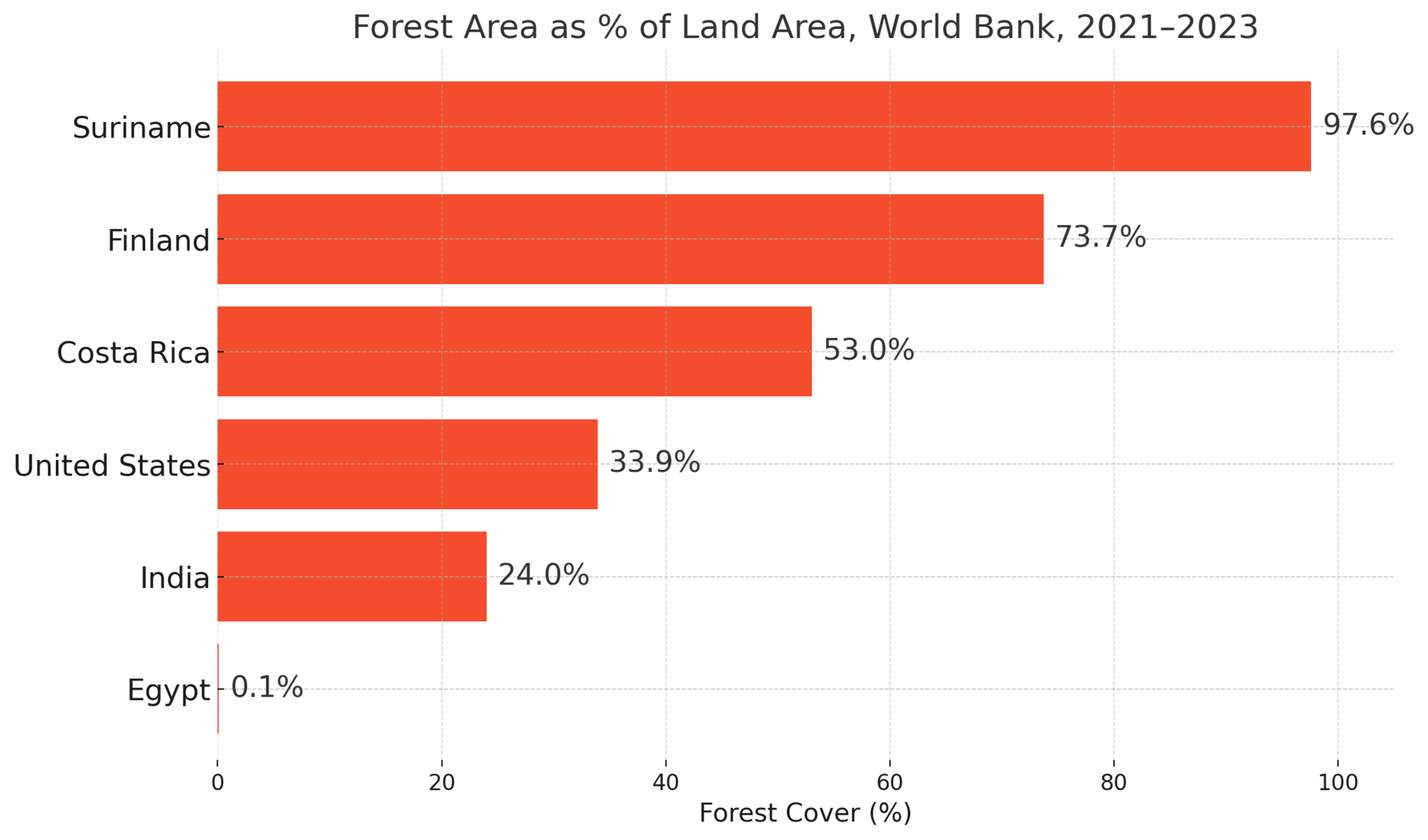
Once a poster child for deforestation, Costa Rica is now hailed as a global restoration model. In the 1980s, the country had lost nearly 80% of its forest cover to agriculture, primarily cattle ranching. But then something radical happened: the government began paying landowners to protect and restore forests.
Today, more than 50% of Costa Rica is forested, up from just 21% in 1987. And this isn’t just for show—the rebounding forest supports eco-tourism, recharges freshwater supplies, and shelters over 500,000 species.
🌿 Surprising outcome: Costa Rica’s reforestation has helped it run on nearly 100% renewable energy for years, linking ecosystem health directly to national infrastructure.
Scotland's ancient Caledonian Forest once covered much of the country. By the 20th century, barely 1% remained. Now, a grassroots rewilding movement is bringing it back.
Led by organizations like Trees for Life, thousands of hectares have been replanted. Projects also aim to reintroduce lost keystone species—including the Eurasian lynx, which vanished over 1,000 years ago. Rewilding isn’t just about trees—it’s about rebalancing entire ecosystems.
🌲 Wild stat: Scotland now has over 10 million native trees planted in the Highlands, and red squirrels—once near extinction—are making a remarkable return.

China’s ambitious “Great Green Wall” aims to plant over 88 million acres of forest across the country’s arid north to combat desertification. Since the early 2000s, the country has invested billions into tree-planting and soil restoration.
Critics once doubted its impact, but satellite data now confirms: forest coverage in China has increased by more than 30% since 1990, much of it in previously degraded lands.
🌏 Unexpected benefit: In some regions, reforestation efforts have contributed to regional cooling—proof that nature-based solutions can influence microclimates.

One Scoop Ahead

AG1 is a daily health drink that supports gut health, helps fill common nutrient gaps, and supports steady energy. One scoop each morning makes it easy to build a habit that actually lasts. Try AG1 today.
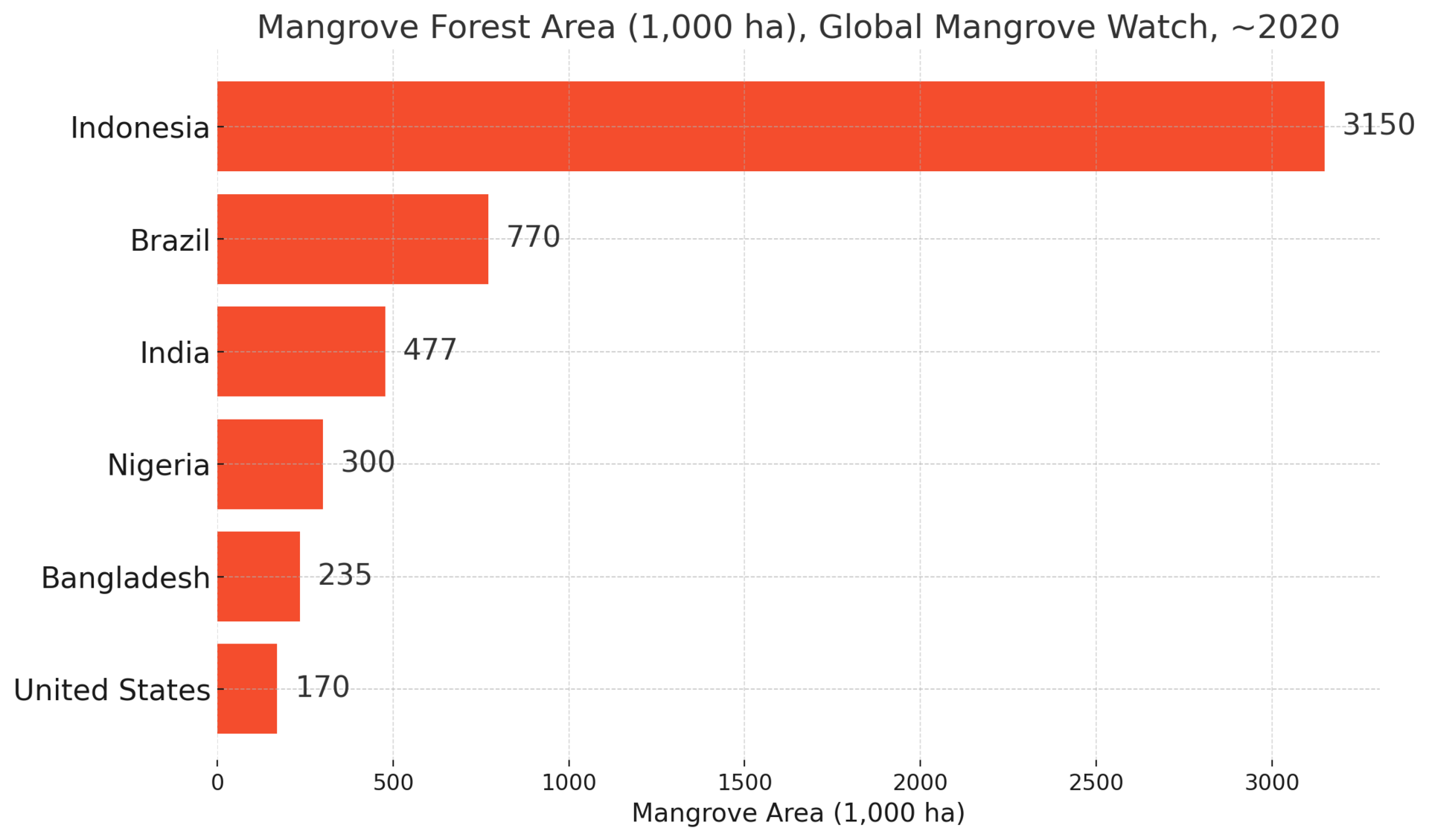
Mangroves are ecological powerhouses—carbon sinks, fish nurseries, and natural storm barriers. India’s Sundarbans, the world’s largest mangrove forest, has faced relentless pressure from development and climate change. But recent government and NGO-backed restoration efforts are showing success.
Thousands of hectares have been replanted with salt-resistant species, boosting biodiversity and providing livelihoods to local communities through eco-tourism and sustainable fishing.
🌊 Vital stat: A single hectare of healthy mangroves can store up to 1,000 tons of carbon—about 5x more than a tropical forest.
North America's vast tallgrass prairies were once nearly wiped out—replaced by monoculture farms and suburban sprawl. But now, across the Midwest, restorationists are bringing them back.
From Minnesota to Oklahoma, land trusts, farmers, and Indigenous groups are restoring prairies, planting native grasses, and reintroducing bison—a species once hunted to near extinction. These ecosystems store carbon, improve soil health, and support pollinators.
🐂 Stunning fact: A single herd of bison can aerate more soil in a year than industrial machinery—boosting biodiversity without diesel.

In the 1990s, Rwanda’s forests were in crisis, and mountain gorillas were critically endangered. Today, the story is different.
Thanks to strict anti-poaching laws, community-led conservation, and eco-tourism investments, both forests and gorillas are recovering. Volcanoes National Park has expanded, and gorilla populations have risen by nearly 30% since 2010.
🌍 Remarkable shift: Rwanda’s conservation-based tourism now generates more revenue than coffee exports—flipping the script on development priorities.

Not all rewilding happens on land. Across the Caribbean, marine scientists and local divers are restoring coral reefs—one fragment at a time.
In places like the 🇩🇴 Dominican Republic and 🇧🇶 Bonaire, damaged reefs are being regrown in underwater nurseries and “planted” back onto reefs. With careful care and the right water quality, some projects report coral regrowth rates of 20% annually.
🐠 Bright spot: New AI-powered reef monitoring tools are helping scientists track reef health in real-time, allowing faster response and adaptive restoration.

From forests to reefs, nature’s comeback is no longer a dream—it’s measurable, unstoppable, and underway.
These aren’t isolated wins. They’re proof that with the right mix of science, policy, and will, regeneration works.
Whether you’re eyeing a place to live, invest, or simply breathe easier—these regions offer more than beauty. They offer a glimpse of the future.
So yes—nature is rebuilding. Faster than most think. And this time, we’re tracking the rise.
Stay sharp. Stay inspired. The world is rewilding.
Warm regards,
Shane Fulmer
Founder, WorldPopulationReview.com
P.S. Want to sponsor this newsletter? Reach 143,000+ global-minded readers — click here!