- World Population Review Newsletter
- Posts
- The Hidden Routines Shaping Your Life Worldwide
The Hidden Routines Shaping Your Life Worldwide
How global habits drive efficiency, wealth, and daily life outcomes.

Philip Saparov
April 18, 2026
In partnership with

Greetings, curious observer of global rhythms,
What if the secret to a better life isn’t a breakthrough—but a routine?
Across the world, entire societies are shaped by the quiet repetition of daily habits - when people wake, how they work, what they eat, and when they rest.
These rhythms matter more than they may appear. Routine-driven societies often offer stability, predictability, and efficiency—but sometimes at the cost of flexibility.
Today, we explore seven places where habit isn’t accidental—it’s engineered.
Let’s step into the world of structured living.
Fast browsing. Faster thinking.
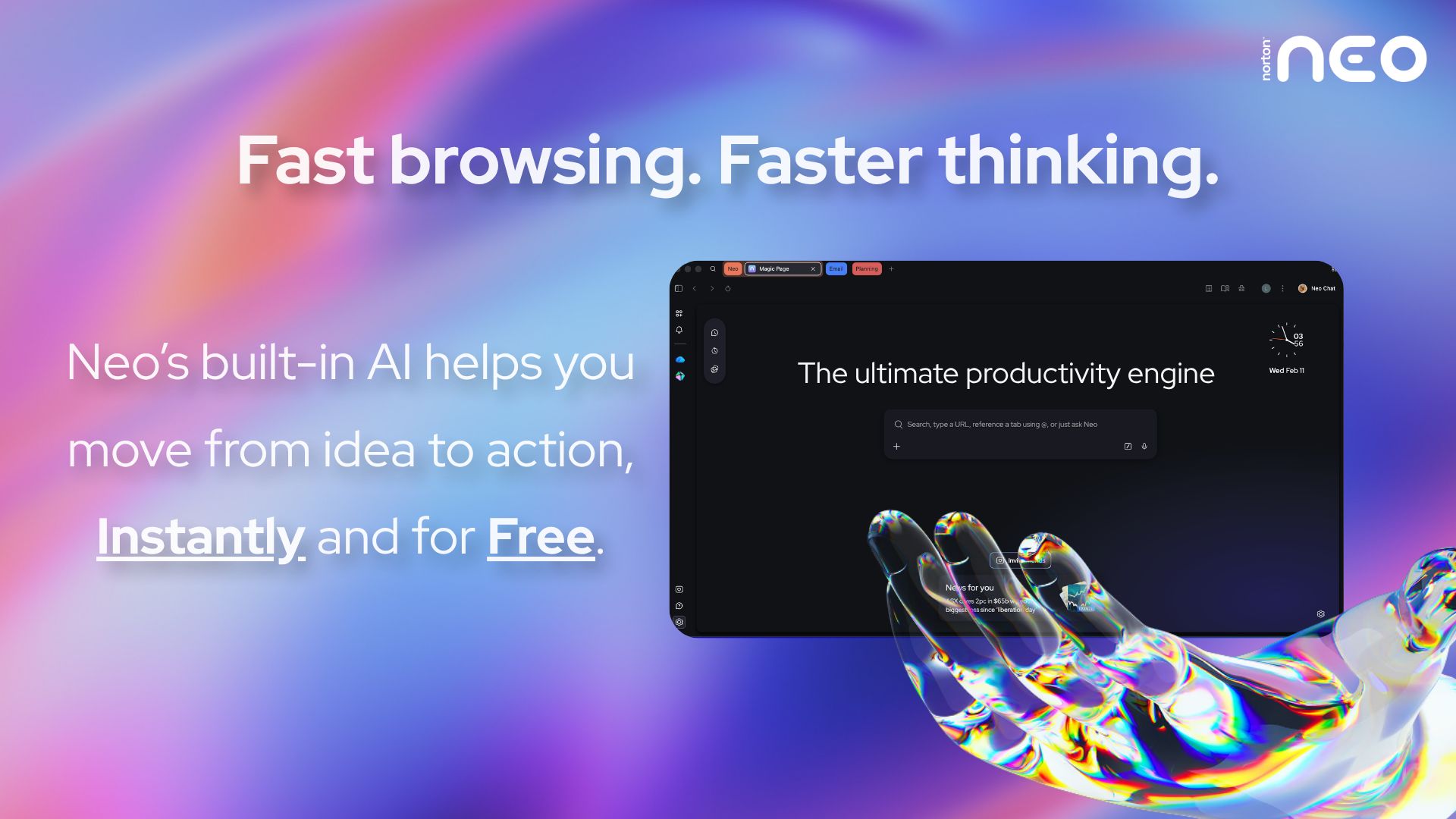
Your browser gets you to a page. Norton Neo gets you to the answer. The first safe AI-native browser built by Norton moves with you from idea to action without slowing you down. Magic Box understands your intent before you finish typing. AI that works inside your flow, not beside it. No prompting. No copy-pasting. No switching apps.
Built-in AI, instantly and for free. Privacy handled by Norton. Built-in VPN and ad blocking protect you by default. No configuration. No extra apps. Nothing to think about.
Fast. Safe. Intelligent. That's Neo.
In Japan, routine operates like a finely tuned machine ⚙️. Life flows with remarkable predictability, reducing friction in everyday decisions.
Public transport runs almost flawlessly, workdays follow consistent patterns, and even meals are timed and balanced. From morning commutes to evening convenience store visits, daily life is deeply structured.
Three defining traits stand out:
🚆 Near-perfect transportation timing
🍱 Consistent, portion-controlled eating habits
🛁 Evening rituals like bathing to reset the day
For residents, this creates ease and reliability. For outsiders, it can feel rigid.
🔎 A fascinating detail: Train delays in Japan are so rare that operators issue formal apology notes—for delays as short as a minute.

Germany builds its routines around structure and respect for time ⏱️.
Workdays start early and end predictably. Sundays are quiet, reserved for rest, and many shops close—reinforcing a weekly rhythm that values balance over constant activity.
Key patterns include:
📅 Strict scheduling and punctuality
🏡 Clear separation between work and home life
🔇 Enforced quiet hours in many neighborhoods
This consistency supports strong productivity and low stress—but can feel restrictive if you prefer spontaneity.
💡 Insight: Germany’s “Ruhezeit” laws mean even vacuuming on a Sunday can draw complaints—routine extends into how people experience silence.

South Korea operates on high-speed routines ⚡—fast, efficient, and deeply ingrained.
Work culture is demanding, education schedules are rigorous, and daily life often stretches late into the evening. Yet everything runs with precision—from transit systems to digital services.
Core habits include:
💼 Long, structured work hours
📚 Intensive education routines from a young age
📱 Seamless integration of tech into daily life
This creates one of the world’s most productive and connected societies—but also one of the most demanding.
🔎 Notable stat: South Koreans spend some of the longest hours working annually among developed nations—yet maintain one of the fastest internet infrastructures globally.

Construction Meets Robotics

Azure Printed Homes is transforming construction with 3D printing and automated manufacturing.
$5M+ revenue in 2024 and $62M in orders with deposits.
Now raising capital to scale production.
Switzerland offers a different kind of routine—structured, but calm 🏔️.
Daily life emphasizes punctuality and order, but also prioritizes leisure and well-being. Workdays are efficient, and downtime is protected.
Key elements include:
🚉 Highly punctual public systems
⏳ Shorter, focused work hours
🌿 Strong culture of outdoor activity and rest
This balance makes Switzerland especially attractive for retirees and families seeking stability.
💡 A quiet truth: Many Swiss workers leave the office by late afternoon—yet productivity remains among the highest in the world.

In Sweden, routine is guided by a single idea: “lagom”—not too much, not too little ⚖️.
Work, meals, and social life are all structured around moderation. Even the famous “fika” (coffee break) is a daily ritual that blends routine with connection.
Core habits include:
☕ Scheduled social breaks during the workday
🕒 Balanced work hours with strong flexibility
👨👩👧 Emphasis on family time and equality
This creates a steady, low-stress environment ideal for long-term well-being.
🔎 Interesting note: Sweden consistently ranks among the top countries for work-life balance—largely driven by its deeply embedded daily routines.

Singapore is perhaps the most deliberately structured society in the world 🏙️.
From housing to transport to public behavior, routines are shaped by careful planning. Daily life is fast, clean, and highly predictable.
Key patterns include:
🚇 Ultra-efficient public transit systems
🏢 Structured urban living environments
📊 Government-driven organization of daily systems
This creates safety, cleanliness, and ease—but can feel tightly controlled.
💡 Surprising fact: Singapore’s urban planning is so precise that commute times are among the shortest globally for a major city.

The Netherlands offers a softer version of routine—structured, yet adaptable 🚴♂️.
Work schedules are often part-time or flexible, and daily life emphasizes consistency without rigidity. Cycling, meal times, and social habits follow predictable patterns.
Key traits include:
🚲 Daily cycling as a default routine
🕓 Flexible work schedules
🧘 Strong emphasis on personal autonomy
This balance creates high life satisfaction and strong community ties.
🔎 A telling detail: Over 25% of all trips in the Netherlands are made by bicycle—turning a simple habit into a national system.

Routine isn’t just about repetition—it’s about design.
Across these societies, daily habits quietly shape outcomes: longer lives, stronger economies, safer communities, and more predictable futures. But they also reveal trade-offs between freedom and structure, speed and balance.
For you, the takeaway is simple: the environment you choose shapes the life you live.
So the real question becomes—what kind of routine do you want your future to follow?
Stay curious, stay informed, and keep exploring.
Warm regards,
Shane Fulmer
Founder, WorldPopulationReview.com
P.S. Want to sponsor this newsletter? Reach 145,000+ global-minded readers — click here!