- World Population Review Newsletter
- Posts
- The Illustrated Ones: Stories Etched in Human Skin
The Illustrated Ones: Stories Etched in Human Skin
What tattoos, scars, and symbols say about cultures worldwide.

Philip Saparov
November 30, 2025
In partnership with

Greetings, seeker of symbols and deeper stories!
Why do humans mark their skin? Across temples, tribes, and time zones, body modification isn’t just decoration—it’s declaration. Ink. Scars. Rituals. Every mark tells a story.
In this edition, we explore how cultures write identity directly onto the body—and what that reveals about belonging, beauty, and belief. From sacred tattoos in Thailand to revivalist ink in the Arctic, you’ll discover more than aesthetics—you’ll uncover meaning.
Let’s dive in.
Become An AI Expert In Just 5 Minutes

If you’re a decision maker at your company, you need to be on the bleeding edge of, well, everything. But before you go signing up for seminars, conferences, lunch ‘n learns, and all that jazz, just know there’s a far better (and simpler) way: Subscribing to The Deep View.
This daily newsletter condenses everything you need to know about the latest and greatest AI developments into a 5-minute read. Squeeze it into your morning coffee break and before you know it, you’ll be an expert too.
Subscribe right here. It’s totally free, wildly informative, and trusted by 600,000+ readers at Google, Meta, Microsoft, and beyond.
Japan’s tattoo tradition—irezumi—is a masterpiece of form, discipline, and contradiction. These sweeping full-body designs, often hand-poked over years, depict dragons, koi, and mythological heroes. They are breathtaking—and quietly taboo.
Once worn proudly by firemen and workers for protection, irezumi became associated with the Yakuza, Japan’s organized crime groups. Today, even as tattoo artistry reaches new heights, visible ink can bar you from public baths, gyms, or certain beaches.
Yet change is stirring. Among younger generations and international visitors, tattoos are seen not as criminal but creative—ushering in a quiet renaissance of this ancient art.
🔍 Fascinating fact: The traditional tebori method (using metal-tipped rods) can take over 100 hours to complete a single sleeve tattoo—each tap driven by muscle memory passed down from master to apprentice.

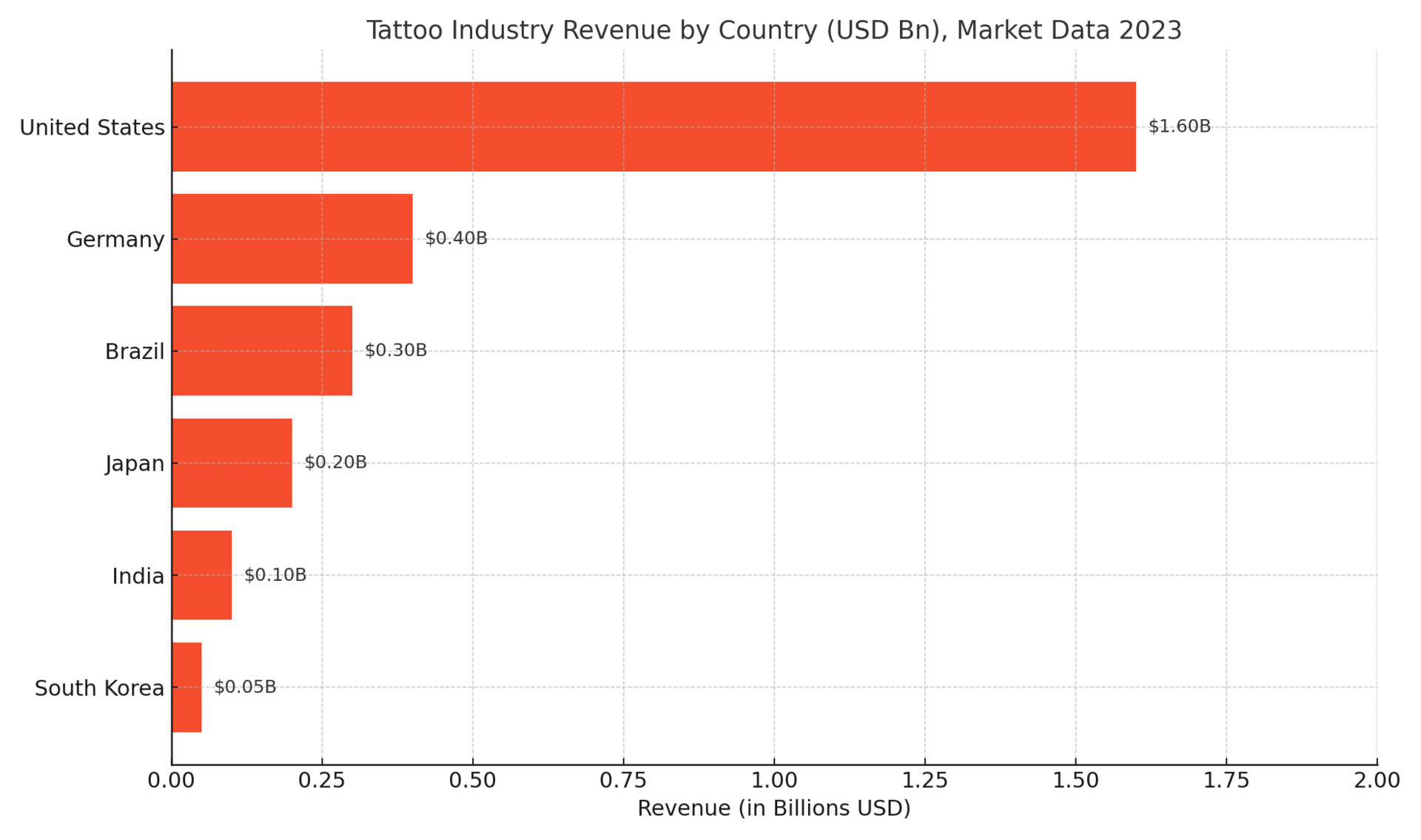
Once a sailor's badge or a punk’s rebellion, tattoos in the U.S. are now as mainstream as smartphones. Today, 1 in 3 adults under 40 has at least one tattoo, and the U.S. tattoo industry rakes in $3 billion annually.
From minimalist ink in Brooklyn to full-body biomech in Austin, the variety is staggering. Piercings are evolving too—septum piercings and dermal implants are growing trends, especially among Gen Z.
That said, cultural acceptance still varies. In corporate boardrooms or courtrooms, visible ink may raise eyebrows—even as tattoo conventions fill stadiums.
💡 Cultural signal: As tattoo popularity rises, even the U.S. military has eased its once-strict tattoo rules—now allowing neck and hand tattoos for active service members.
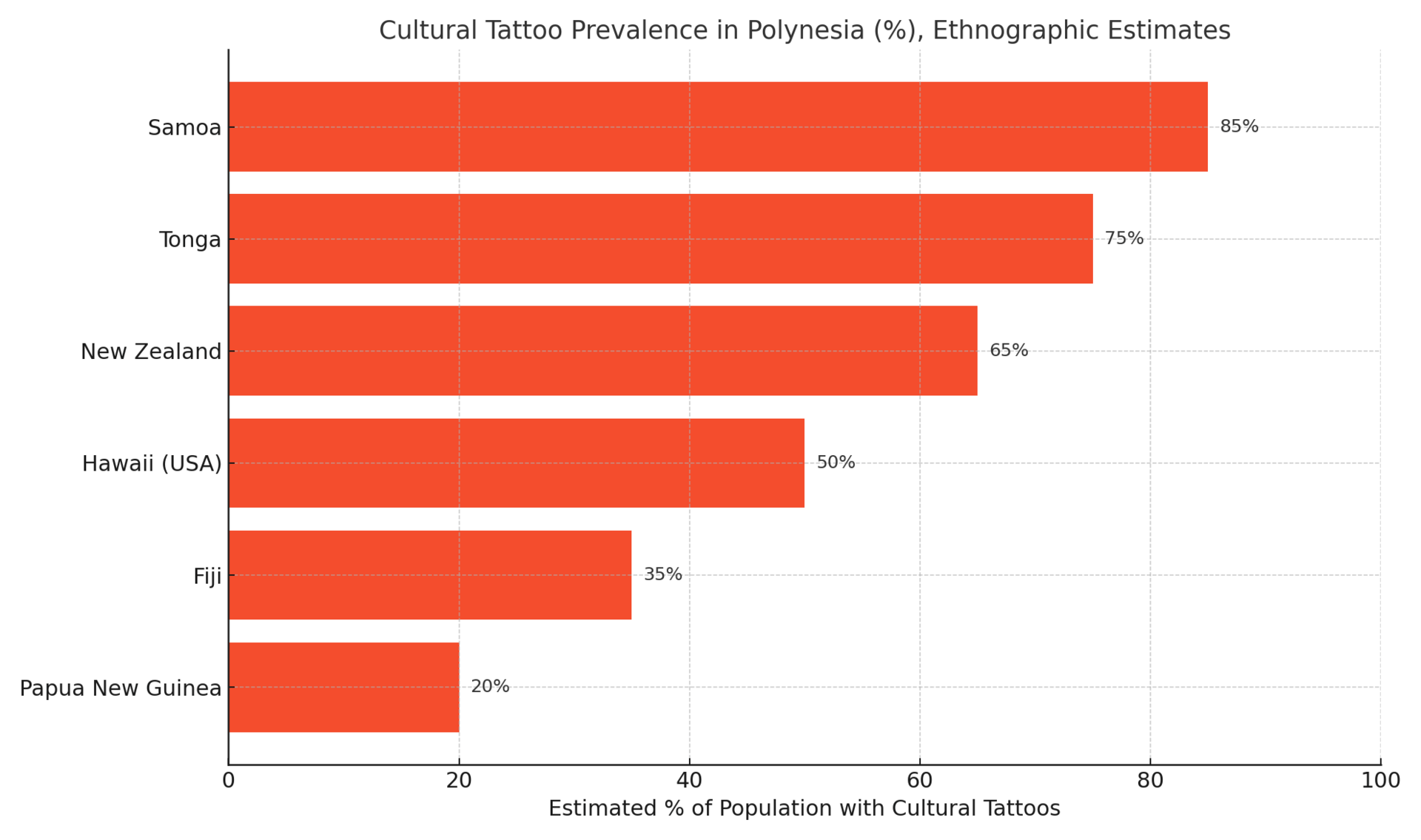
Across Polynesia, tattoos are not decoration—they are identity. Among Māori, Samoan, and Hawaiian cultures, body art functions as a living record of ancestry, status, and personal achievement.
The Māori tā moko and Samoan pe’a aren’t random patterns—they tell a story. Getting them is a sacred ritual, often accompanied by chanting, family witnesses, and days of healing.
Colonial repression once banned these practices, but today, tattooing is central to cultural revival. Artists blend ancestral designs with modern techniques, keeping tradition alive in the face of globalization.
🧭 Historical echo: In Samoa, the pe’a (a traditional male tattoo from waist to knees) can take 10+ days of excruciating hand-tapping—and is still considered a rite of passage into adulthood.
But what can you actually DO about the proclaimed ‘AI bubble’? Billionaires know an alternative…
Sure, if you held your stocks since the dotcom bubble, you would’ve been up—eventually. But three years after the dot-com bust the S&P 500 was still far down from its peak. So, how else can you invest when almost every market is tied to stocks?
Lo and behold, billionaires have an alternative way to diversify: allocate to a physical asset class that outpaced the S&P by 15% from 1995 to 2025, with almost no correlation to equities. It’s part of a massive global market, long leveraged by the ultra-wealthy (Bezos, Gates, Rockefellers etc).
Contemporary and post-war art.
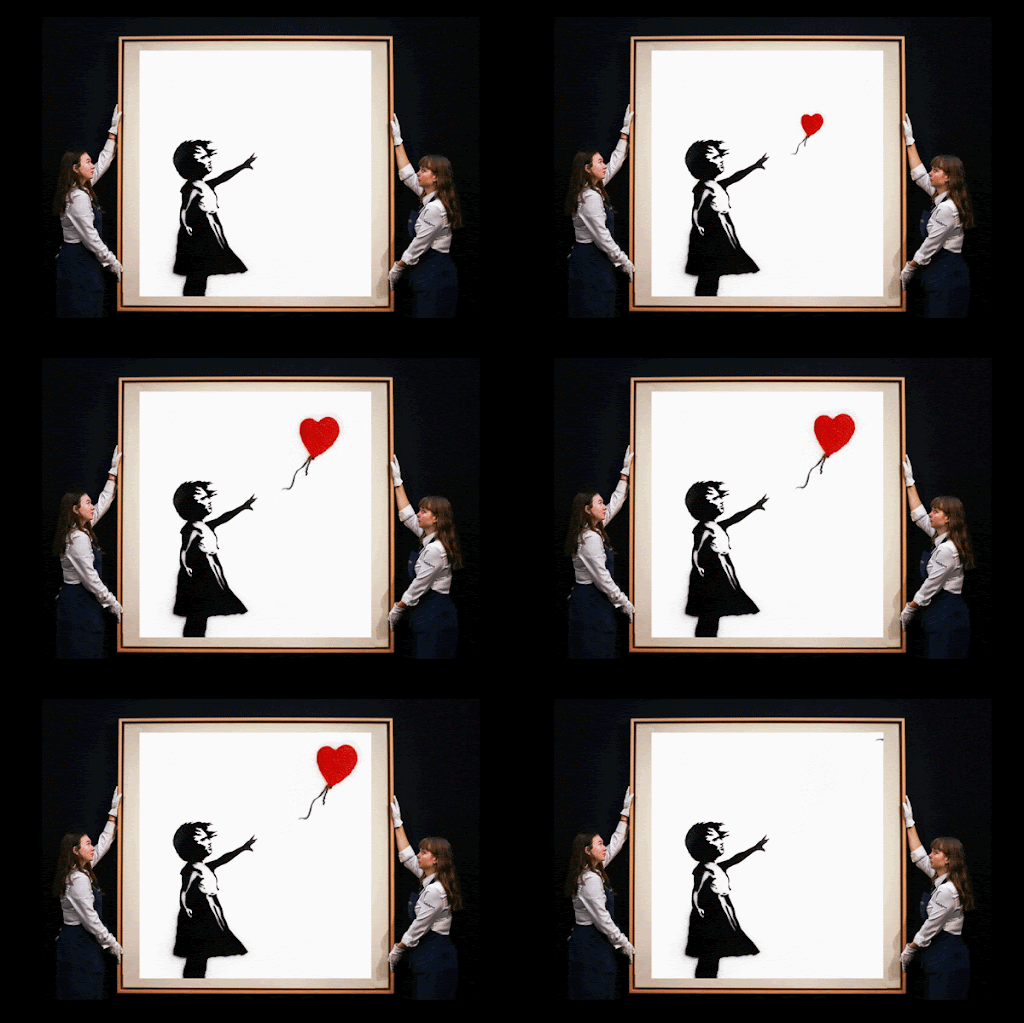
Masterworks lets you invest in multimillion-dollar artworks featuring legends like Banksy, Basquiat, and Picasso—without needing millions. Over 70,000 members have together invested more than $1.2 billion across over 500 artworks. So far, 23 sales have delivered net annualized returns like 17.6%, 17.8%, and 21.5%.*
Want access?
Investing involves risk. Past performance not indicative of future returns. Reg A disclosures at masterworks.com/cd
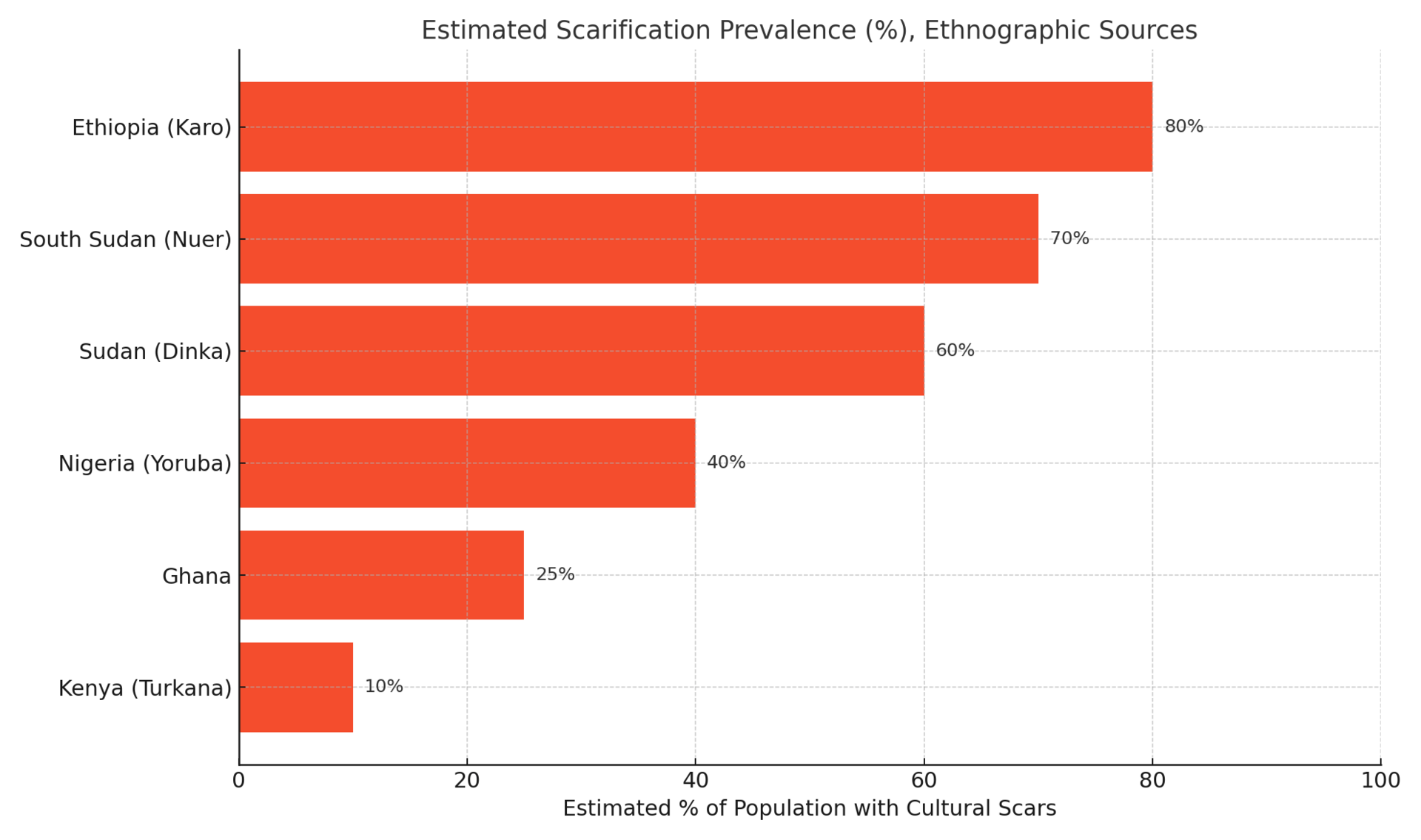
In parts of East Africa, body modification takes the form of scarification—etched patterns that speak of status, courage, and beauty. Among the Karo, Surma, and Nuer people, scars are not wounds—they’re signatures.
For women, these marks often signify fertility or attractiveness. For men, they signal strength or readiness for war. In some regions, the designs also indicate tribe and territory.
Urban migration and modern healthcare have reduced the practice, but it endures—especially in rural areas where tradition still holds deep meaning.
🔎 Unexpected past: Some African communities used scarification as a way to avoid being taken into slavery—believing the scars made them less desirable to traders.
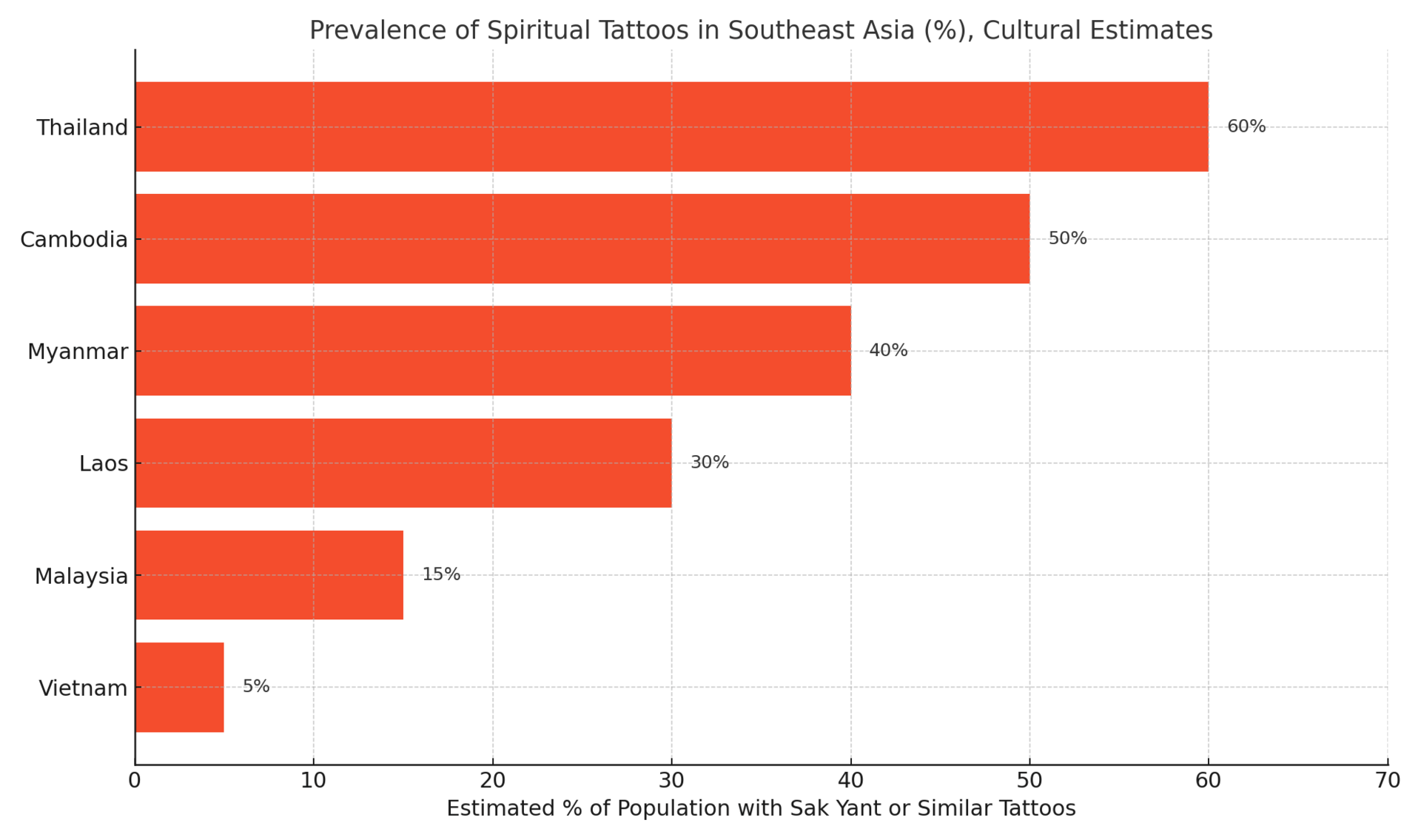
Thailand’s Sak Yant tattoos are not just body art—they’re spiritual contracts. Etched with long metal rods by monks or spiritual masters, these sacred designs blend ancient Khmer script, Buddhist prayers, and protective animal symbols.
Each tattoo is thought to grant powers—like invincibility, charisma, or good fortune. But they only “activate” through ritual chanting and alignment with moral codes. Break the code, lose the magic.
Though now popular with Westerners, for many Thais, Sak Yant remains a deeply personal and sacred bond, not a tourist souvenir.
🔮 Modern revival: The annual Sak Yant Festival at Wat Bang Phra temple draws thousands seeking blessing tattoos—many of whom enter trance states during the ritual.
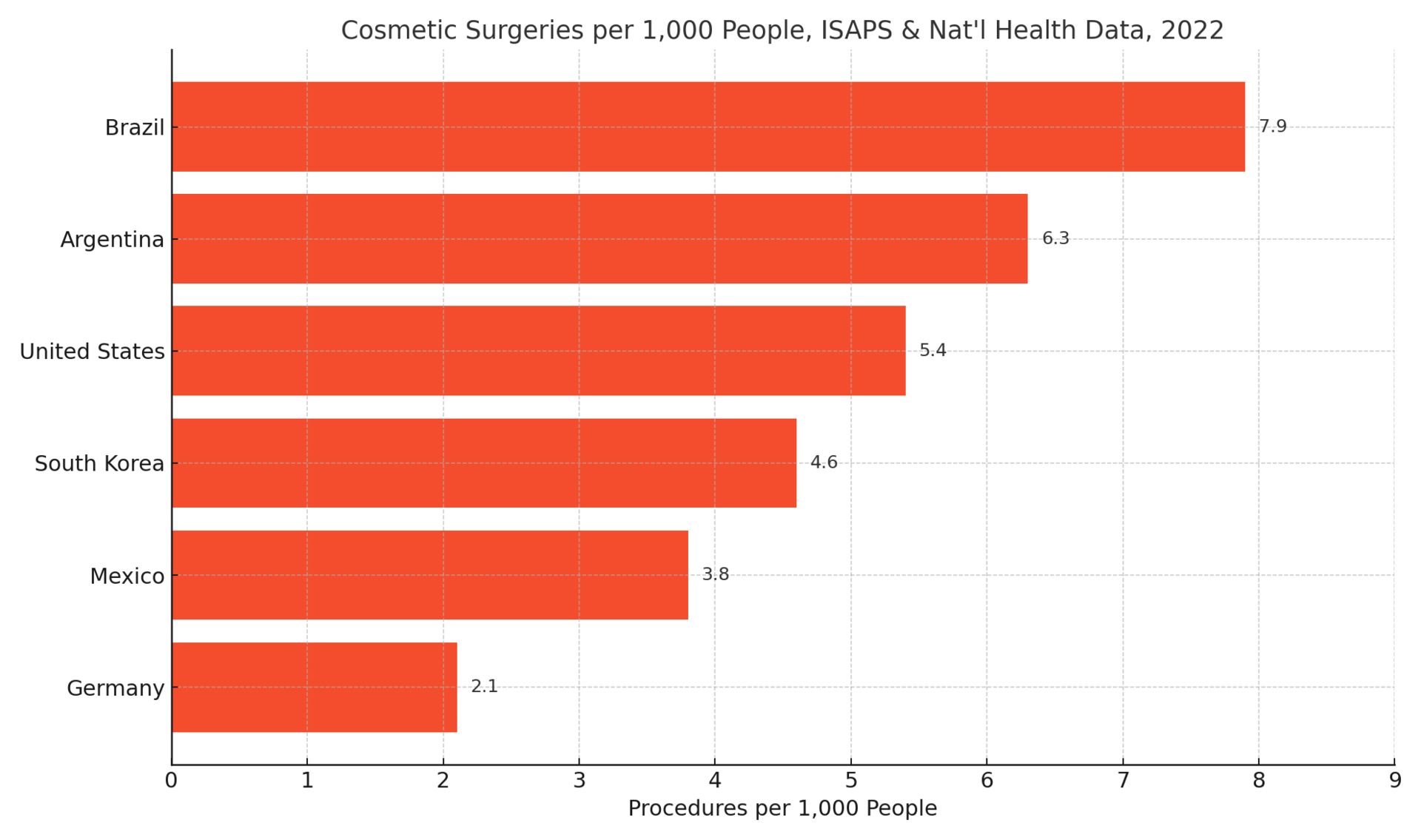
In South America’s largest nations, body modification often focuses on enhancement and aesthetics. Brazil ranks #2 globally in plastic surgeries, and cosmetic body mods—from lip implants to subdermal “jewels”—are often seen as acts of self-care.
In Argentina, tattoos are more politicized. Urban youth often ink symbols tied to feminism, human rights, or indigenous identity. Tattoo parlors are as common as coffee shops in Buenos Aires.
Here, the body is not just a canvas—it’s a declaration.
👁️🗨️ Striking policy: In 2014, Argentina passed a law allowing minors as young as 14 to receive cosmetic procedures with parental consent—a global outlier in bodily autonomy.
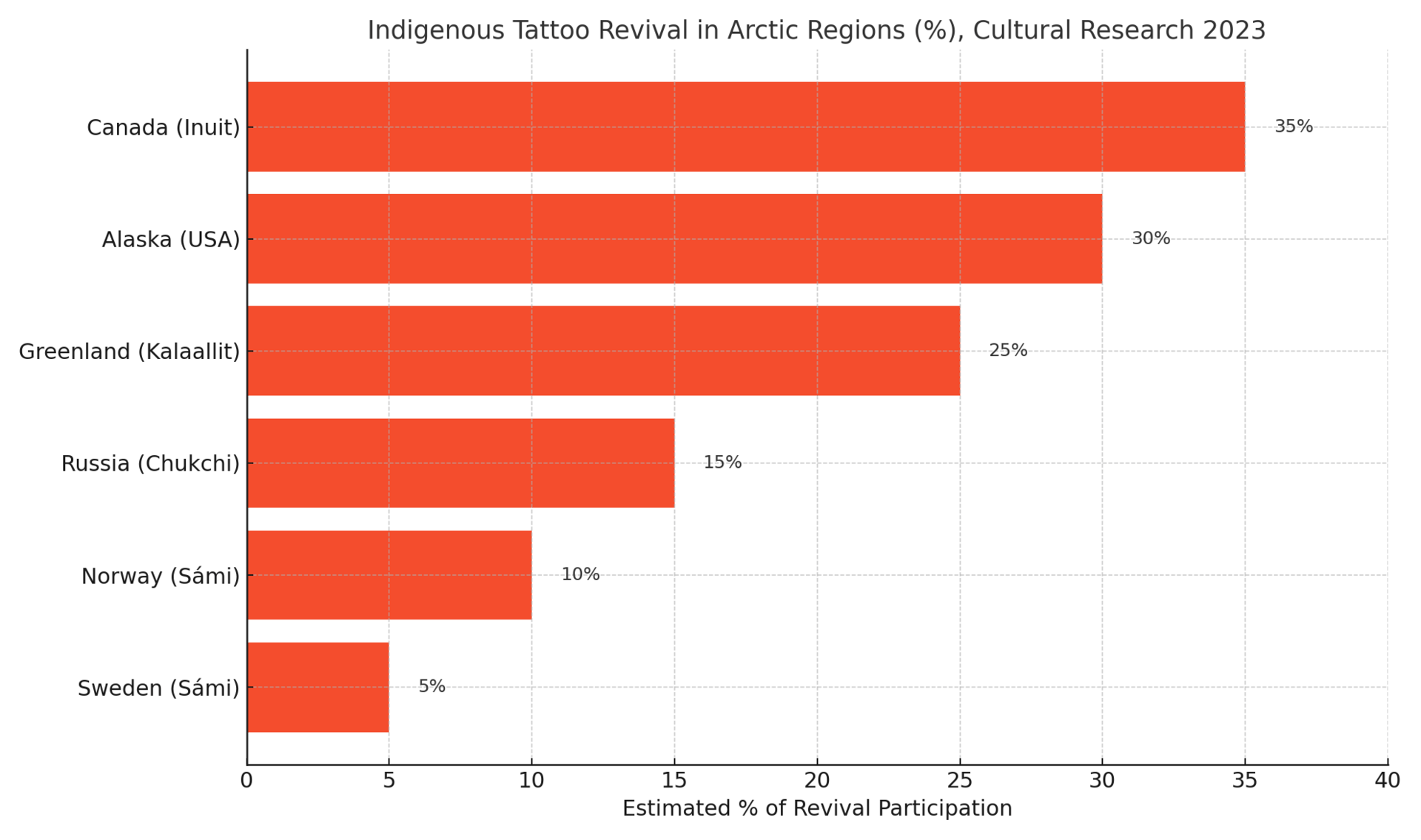
Among the Inuit and other Indigenous Arctic peoples, traditional tattoos once stitched soot into skin using needle and thread—a method called skin stitching. These facial and hand markings signified everything from womanhood to spiritual roles.
For over a century, missionaries suppressed the practice, calling it “uncivilized.” But today, Indigenous women are reclaiming their ancestors’ marks—linking past and present in ink.
Tattoos are also becoming symbols of resistance, cultural pride, and trauma healing in the wake of residential school abuses.
🧊 Ancient lineage: A 4,000-year-old mummy found in Alaska bears facial tattoos that closely match those now worn by Inuit women—bridging millennia through ink.
Across time and territory, the body has always been a message. Inked, pierced, or scarred—it says who we are, where we’ve been, and what we stand for.
These aren’t just body mods. They’re maps. And if you’re deciding where to live, explore, or invest, they reveal something guidebooks can’t: the soul of a place.
Until next time—stay sharp, stay curious, stay illustrated.
Warm regards,
Shane Fulmer
Founder, WorldPopulationReview.com
P.S. Want to sponsor this newsletter? Reach 140,000+ global-minded readers — click here!