- World Population Review Newsletter
- Posts
- The Last Bastions of Privacy in a Watched World
The Last Bastions of Privacy in a Watched World
How data, control, and freedom are diverging across nations.

Philip Saparov
April 11, 2026
Sponsored by

Greetings, inquisitive mind of world events!
How much of your life is truly private anymore?
From your searches to your spending, the modern world is increasingly visible—sometimes more than we’d like. But here’s the surprising part: not every country is following the same path.
Some are quietly becoming havens for personal freedom, data privacy, and individual control.
Today, we explore where privacy still exists—and how that could shape where you live, invest, and protect what matters most.
Let’s dive in.
Your Kafka Bill Is an Architecture Problem

More than 80% of Kafka costs aren't hardware – they're interzone networking fees. WarpStream BYOC eliminates them entirely by replacing stateful brokers with stateless agents that write directly to your own object storage.
No disks, no inter-AZ replication, no partition fees. Goldsky cut TCO by 90%+. Your existing clients keep working – just point them at a new URL.
Learn how it works, then sign up for free. Get $400 in credits that never expire. No credit card required to start.
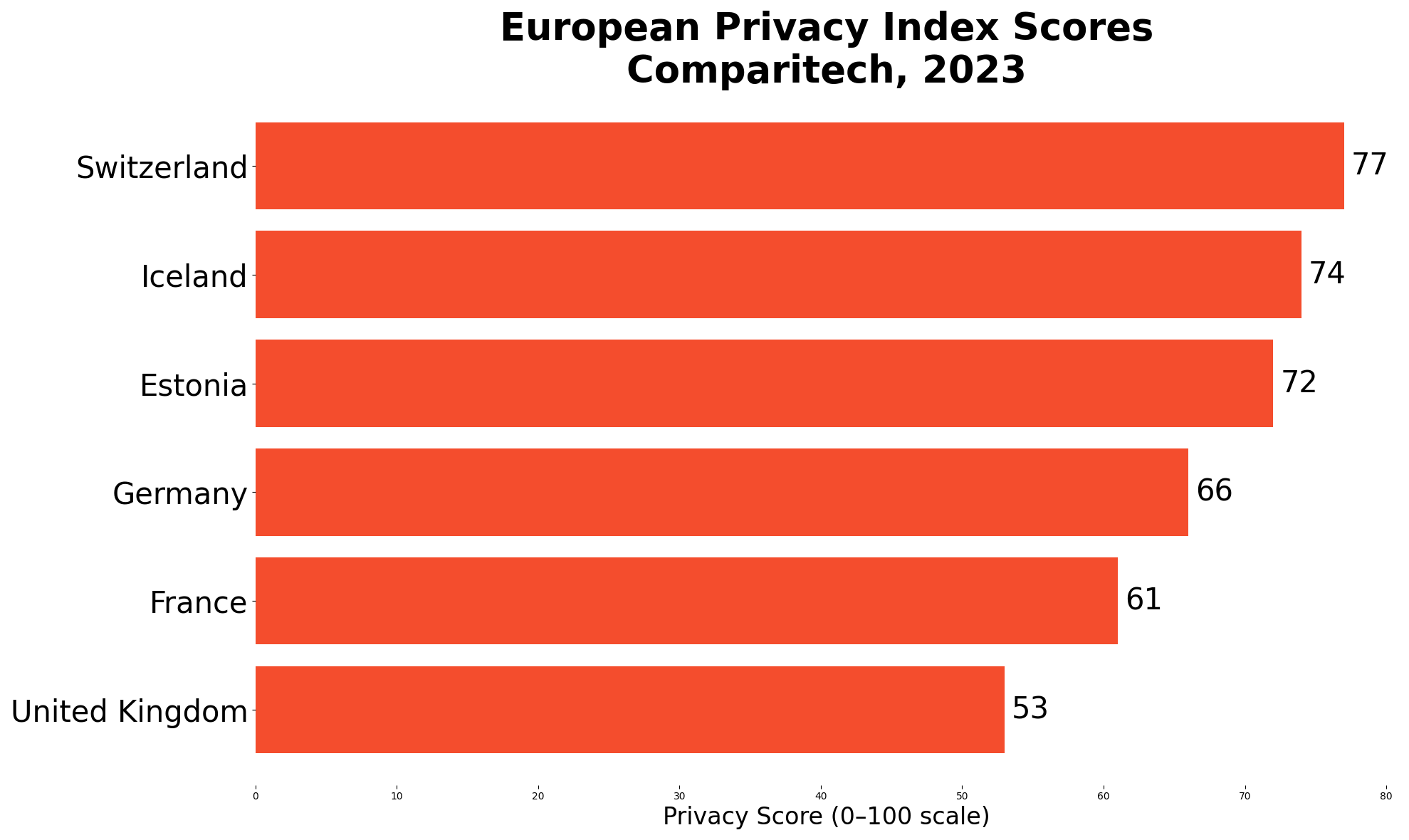
In a region known for regulation, a few countries stand out for fiercely protecting personal data and civil liberties.
🇨🇭 Switzerland remains the gold standard. Strong banking confidentiality (though softened), decentralized governance, and strict data protection laws create a culture of discretion.
🇮🇸 Iceland pairs modern digital infrastructure with strong free speech protections and minimal surveillance—making it a haven for journalists and privacy advocates.
🇪🇪 Estonia, surprisingly, offers a different model: a digital society with transparency built into government—but encryption and citizen control keep personal data secure.
What this means for you: Europe offers a spectrum—from high transparency to high privacy. Choosing wisely can impact everything from asset protection to digital security.
A telling detail: Switzerland consistently ranks among the lowest in perceived government overreach, despite being one of the wealthiest nations in the world.
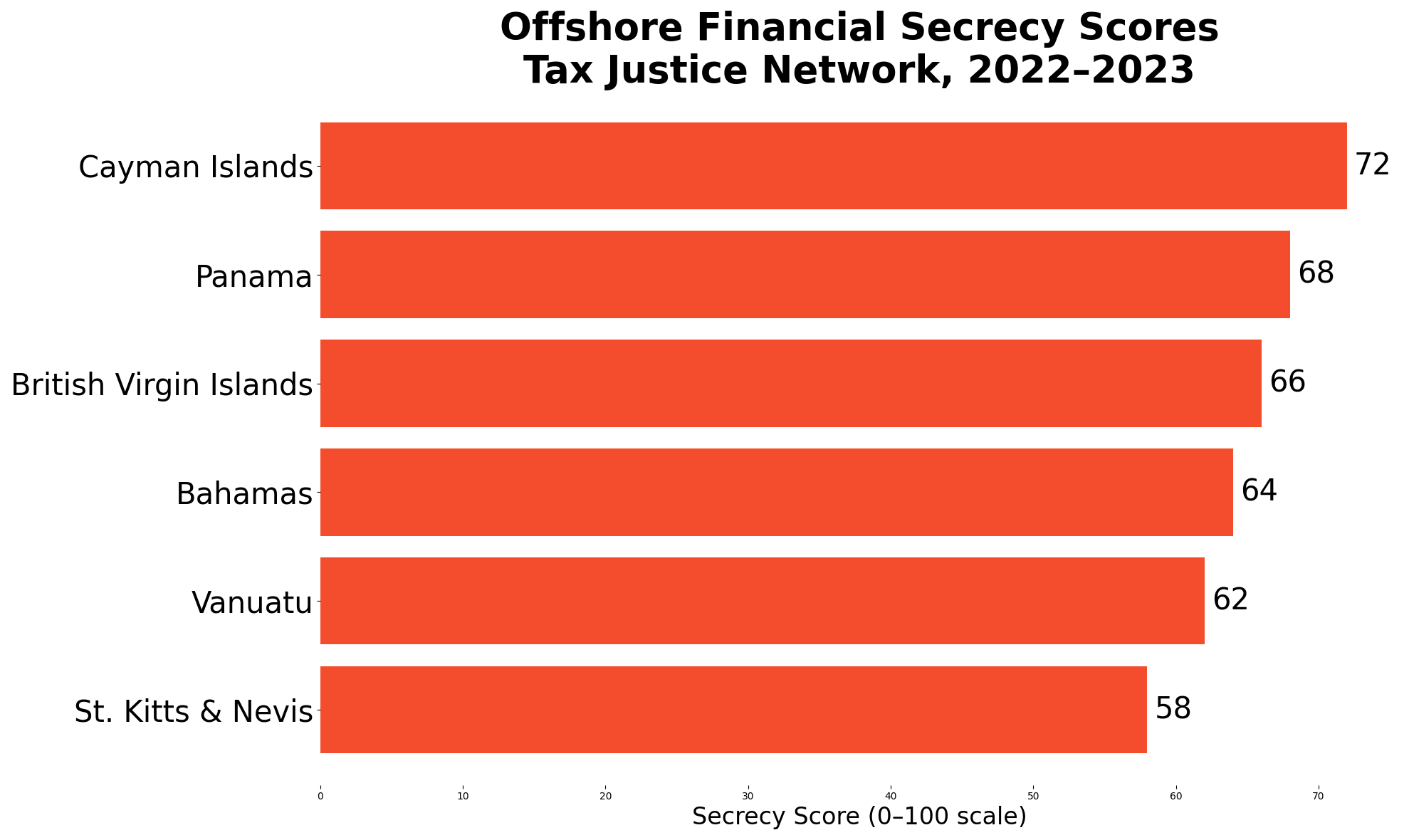
Some of the world’s smallest nations offer the biggest shields against intrusion.
🇵🇦 Panama has long attracted expats with territorial taxation and relatively relaxed data-sharing policies. Residency is accessible, and financial privacy remains stronger than in most Western countries.
🇰🇳 St. Kitts & Nevis offers citizenship-by-investment with minimal disclosure requirements—appealing to those seeking diversification of identity and assets.
🇻🇺 Vanuatu combines low taxes with limited data exchange agreements, making it a niche but growing privacy destination.
Putting it into perspective: These jurisdictions are not just about secrecy—they’re about optionality. They allow individuals to structure their lives across borders.
Little-known insight: Some of these nations do not automatically share financial data under global reporting standards, creating rare pockets of financial discretion.
Asia presents one of the starkest divides in personal privacy.
🇸🇬 Singapore offers safety and efficiency—but at the cost of extensive surveillance and strict laws. Privacy exists, but within tightly defined limits.
🇯🇵 Japan maintains relatively low levels of government intrusion in daily life, with strong cultural norms around personal boundaries and respect.
🇬🇪 Georgia (often grouped Eurasian) has become a quiet favorite for digital nomads—minimal bureaucracy, limited data tracking, and easy residency.
What this means for you: In Asia, privacy is less about laws alone and more about how governments use technology.
Striking contrast: Japan has one of the world’s lowest crime rates with relatively limited surveillance—suggesting social trust can sometimes replace state oversight.

The 15-Minute Retirement Plan

Retirement savings face two quiet threats: cash flow gaps and inflation eroding purchasing power over time. The 15-Minute Retirement Plan helps investors with $1,000,000 or more account for both and build a portfolio designed to last the distance.
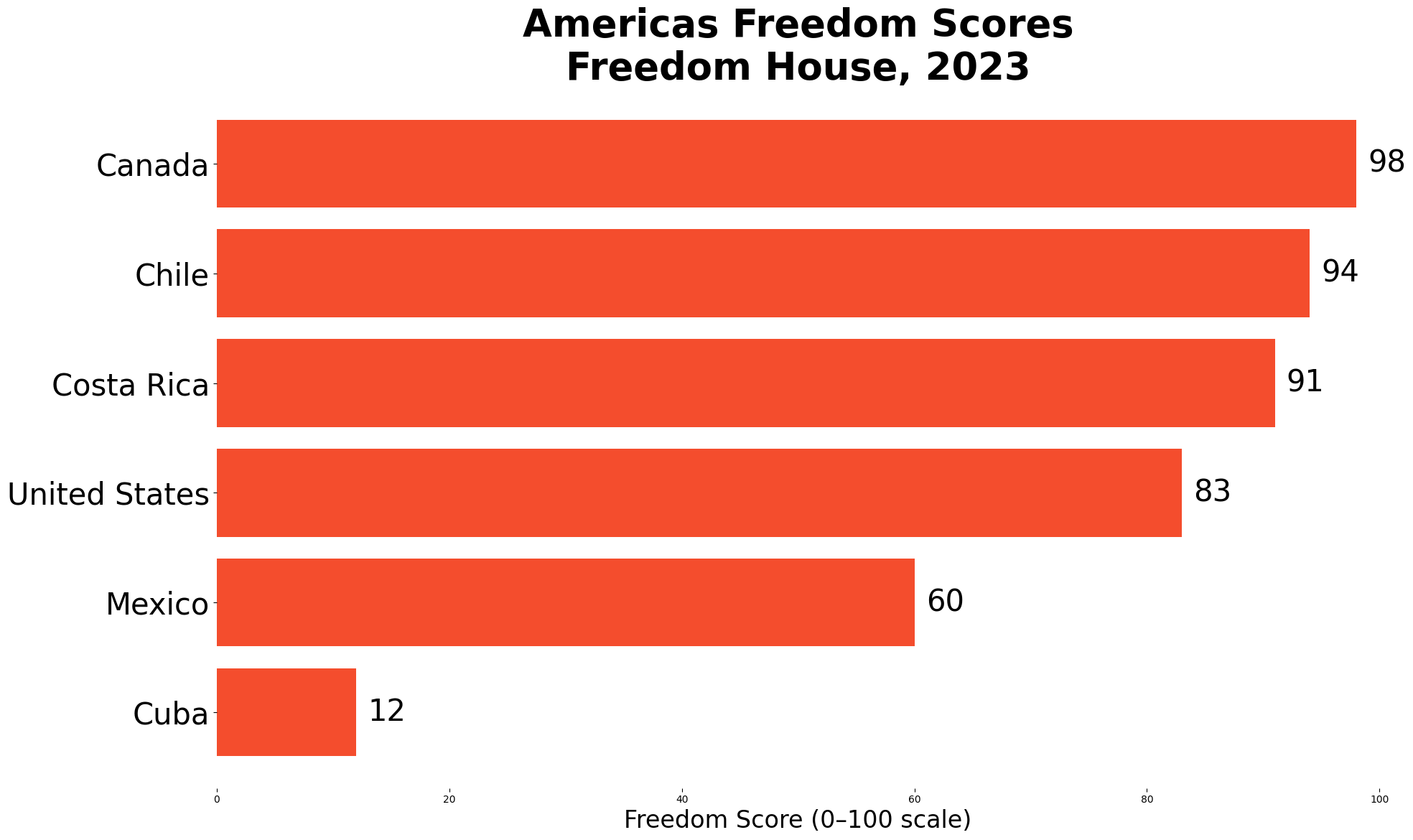
The Western Hemisphere offers both opportunity and contradiction.
🇺🇸 United States provides strong legal protections—but widespread corporate data collection and government surveillance programs complicate the picture.
🇨🇦 Canada emphasizes transparency and regulation, with growing data-sharing frameworks that reduce financial privacy.
🇨🇷 Costa Rica stands out as a quieter alternative—no standing army, stable governance, and relatively low levels of intrusive surveillance.
Putting it into perspective: Legal rights don’t always equal practical privacy. Enforcement and digital ecosystems matter just as much.
A revealing statistic: The U.S. has some of the strongest constitutional protections—yet also one of the largest surveillance infrastructures globally.
A new category is emerging—not tied to one country, but to lifestyle.
🌍 Portugal offers appealing residency options, though increasing EU data integration is tightening privacy.
🌍 Dubai (UAE) provides financial discretion and low taxes, though personal freedoms operate within defined cultural boundaries.
🌍 Thailand remains popular for affordability and lifestyle, with relatively low enforcement of digital tracking compared to Western nations.
What this means for you: Mobility itself is becoming a privacy strategy. Living across jurisdictions reduces exposure to any single system.
Forward-looking insight: By 2030, “jurisdictional diversification” may become as common as investment diversification.
This chart shows Freedom House’s “Freedom on the Net” scores (0–100), comparing how digitally open and unrestricted these popular digital nomad destinations are.

Technology is reshaping privacy faster than laws can keep up.
🔐 Encryption tools are giving individuals more control over communication and finances.
📡 At the same time, biometric tracking and AI surveillance are expanding globally.
💻 Decentralized systems (like blockchain) are creating alternatives to traditional financial oversight.
Putting it into perspective: Privacy is no longer just geographic—it’s technological. Where you live matters, but how you operate matters more.
Unexpected reality: Some of the most privacy-conscious individuals live in highly surveilled countries—but use tools that make them effectively invisible.

The global trend is clear: more visibility, more data, more tracking. But not everywhere.
🌐 Some nations will double down on surveillance in the name of security and efficiency.
🛡️ Others will position themselves as privacy havens to attract wealth and talent.
📊 Individuals will increasingly choose where—and how—they want to be seen.
What this means for you: Privacy is becoming a strategic decision, not a default condition. Where you live, bank, and operate will shape your level of freedom.
A powerful projection: Within the next decade, countries that protect privacy may gain a competitive advantage similar to low-tax jurisdictions today.

Privacy is no longer just a personal preference—it’s a defining feature of how and where you live. As surveillance expands, the ability to choose your environment becomes more valuable than ever.
The world is not moving in one direction. It’s splitting—between visibility and discretion, control and autonomy.
Stay informed, stay intentional, and keep exploring where your freedom is best protected.
Warm regards,
Shane Fulmer
Founder, WorldPopulationReview.com
P.S. Want to sponsor this newsletter? Reach 144,000+ global-minded readers — click here!