- World Population Review Newsletter
- Posts
- The Nuclear Comeback: Who’s Betting Big—and Why?
The Nuclear Comeback: Who’s Betting Big—and Why?
Energy security, rising demand, and the return of atomic power.

Philip Saparov
March 18, 2026
Sponsored by

Greetings, inquisitive mind of global shifts and future trends!
Energy isn’t just about keeping the lights on anymore—it’s about cost, stability, and control over your future. As prices swing and demand surges, nuclear power is quietly making a comeback, promising reliable, low-carbon energy in an uncertain world.
But not all countries are moving the same way. Some are going all in, others are testing the waters—and the gap between them is growing.
So who’s leading, who’s hesitating, and what does it mean for where you live, invest, or retire?
Let’s step inside the reactor.
What Will Your Retirement Look Like?

Retirement looks different for everyone. What it costs, where the income comes from, how long it needs to last. Those answers are specific to you.
The Definitive Guide to Retirement Income helps investors with $1,000,000 or more work through the questions that matter and build a plan around the answers.
Download your free guide to start turning a savings number into an actual retirement income strategy.
France has long treated nuclear power not as an option, but as a necessity. Today, roughly 70% of its electricity comes from nuclear energy—one of the highest shares in the world.
Now, after years of hesitation, France is reinvesting heavily. President Macron has announced plans for at least six new reactors, alongside upgrades to its aging fleet. The goal is simple: maintain energy independence while stabilizing electricity prices across Europe.
What makes France unique is its centralized model. State-backed EDF controls much of the system, allowing long-term planning that market-driven systems often struggle to match.
For residents and investors alike, this translates into relatively stable energy costs—an increasingly rare advantage in Europe.
Curious detail: France exports so much nuclear-generated electricity that it effectively acts as a “battery” for neighboring countries during peak demand.

If nuclear power is making a comeback, China is leading the charge in scale and speed. The country currently has over 50 reactors operating—and dozens more under construction.
Unlike Western nations slowed by regulatory hurdles, China has streamlined approvals and standardized designs, dramatically reducing build times and costs.
Nuclear fits neatly into China’s broader strategy: reduce reliance on coal while ensuring consistent power for its industrial base. It’s also investing heavily in next-gen technologies like small modular reactors (SMRs) and thorium-based systems.
For global observers, China offers a glimpse into what rapid nuclear expansion looks like when policy, capital, and execution align.
Striking statistic: China is building reactors roughly three to four times faster than the global average—reshaping expectations for nuclear timelines worldwide.

The U.S. nuclear story is less about rapid expansion and more about strategic recalibration. While new large-scale plants are rare due to high costs, the focus has shifted toward innovation.
Enter small modular reactors (SMRs)—compact, factory-built units designed to be cheaper, safer, and faster to deploy. Companies like NuScale and TerraPower are leading the charge, with government backing.
At the same time, existing plants are receiving life extensions, recognizing their importance in providing stable, carbon-free energy.
For individuals and businesses, this signals something important: nuclear may not dominate headlines, but it’s quietly becoming a cornerstone of long-term grid stability.
Forward-looking insight: The U.S. Department of Energy expects advanced nuclear to play a critical role in powering data centers and AI infrastructure—industries with massive energy demands.

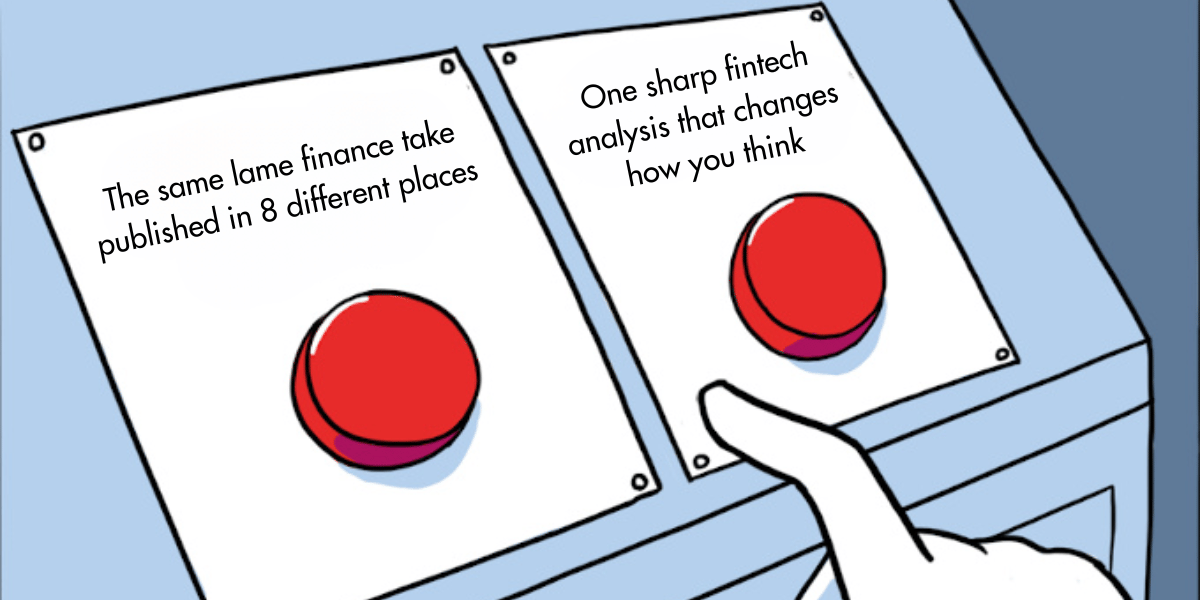
Most coverage tells you what happened. Fintech Takes is the free newsletter that tells you why it matters. Each week, I break down the trends, deals, and regulatory shifts shaping the industry — minus the spin. Clear analysis, smart context, and a little humor so you actually enjoy reading it. Subscribe free.
The UK’s nuclear ambitions are driven by a clear lesson from recent years: energy imports can be a vulnerability.
With aging reactors nearing retirement, the government is investing in new projects like Hinkley Point C and Sizewell C, alongside a strong push into SMRs.
The UK’s approach blends public and private investment, aiming to reduce reliance on natural gas while meeting net-zero targets.
For households, the promise is long-term price stability. For investors, nuclear is being repositioned as essential infrastructure rather than a risky outlier.
The broader implication? Countries heavily exposed to energy imports are increasingly viewing nuclear as a form of geopolitical insurance.
Little-known fact: Once operational, Hinkley Point C alone is expected to supply about 7% of the UK’s total electricity demand.

India’s energy challenge is immense: a rapidly growing population, rising middle class, and surging electricity demand.
While coal still dominates, nuclear is becoming a key part of the long-term mix. India is expanding its fleet with both domestic reactor designs and international partnerships.
What sets India apart is its focus on scalability and cost efficiency. The country is also exploring thorium-based reactors, leveraging one of the world’s largest thorium reserves.
For those watching global growth markets, India’s nuclear strategy signals a shift toward more reliable, cleaner baseload power—critical for sustained economic expansion.
Fascinating angle: India’s long-term thorium program could redefine nuclear fuel cycles, potentially making reactors safer and more abundant in fuel supply.

Not long ago, both Germany and Japan were symbols of nuclear retreat.
Germany shut down its last reactors in 2023, doubling down on renewables. Japan, after Fukushima, dramatically reduced its nuclear reliance.
But reality is proving complex. Germany has faced high energy costs and increased dependence on imports, while Japan is gradually restarting reactors to stabilize supply.
This doesn’t mean a full reversal—but it does highlight a broader truth: energy transitions are rarely linear.
For individuals, especially those considering relocation or investment, these shifts matter. Energy policy directly impacts cost of living, industrial competitiveness, and long-term stability.
Unexpected twist: Japan now plans for nuclear to supply up to 20–22% of its electricity by 2030—marking a significant policy shift from its post-Fukushima stance.

The next chapter of nuclear energy may look very different from the past.
Instead of massive, decade-long projects, the future is increasingly centered on small modular reactors (SMRs) and advanced designs. These promise lower costs, faster deployment, and enhanced safety features.
Countries from Canada 🇨🇦 to Poland 🇵🇱 are exploring SMRs as a way to bring nuclear to smaller grids and remote regions.
This shift could democratize nuclear energy—making it accessible beyond large, centralized economies.
For readers thinking long-term, this matters. Energy reliability underpins everything from housing costs to business viability and even national security.
Bold projection: By the 2030s, SMRs could be deployed in places as diverse as mining operations, island nations, and even large industrial campuses—bringing nuclear power closer to where it’s actually used.

Energy is the silent force shaping economies, lifestyles, and opportunities. The nuclear revival is not just about reactors—it’s about resilience in an uncertain world.
Whether you’re thinking about where to live, invest, or build your future, understanding these shifts gives you a meaningful edge.
Stay curious, stay informed—and keep exploring the forces shaping tomorrow.
Warm regards,
Shane Fulmer
Founder, WorldPopulationReview.com
P.S. Want to sponsor this newsletter? Reach 141,000+ global-minded readers — click here!