- World Population Review Newsletter
- Posts
- The Real Reason Time Feels Different Abroad
The Real Reason Time Feels Different Abroad
How culture, lifestyle, and priorities quietly reshape the clock.

Philip Saparov
March 20, 2026
In partnership with

Greetings, inquisitive mind of world events!
Time feels universal—until you cross a border. In some places, 9:00 means 8:55. In others, it means “whenever we get there.” That difference isn’t trivial—it shapes how people work, build relationships, handle stress, and ultimately, how they live.
If you’re thinking about where to travel, invest, or spend the next chapter of your life, this matters more than it seems.
Today, we explore the parts of the world where time is flexible—and what that means for your daily experience on the ground.
Let’s step off the clock.
Speak your prompts. Get better outputs.
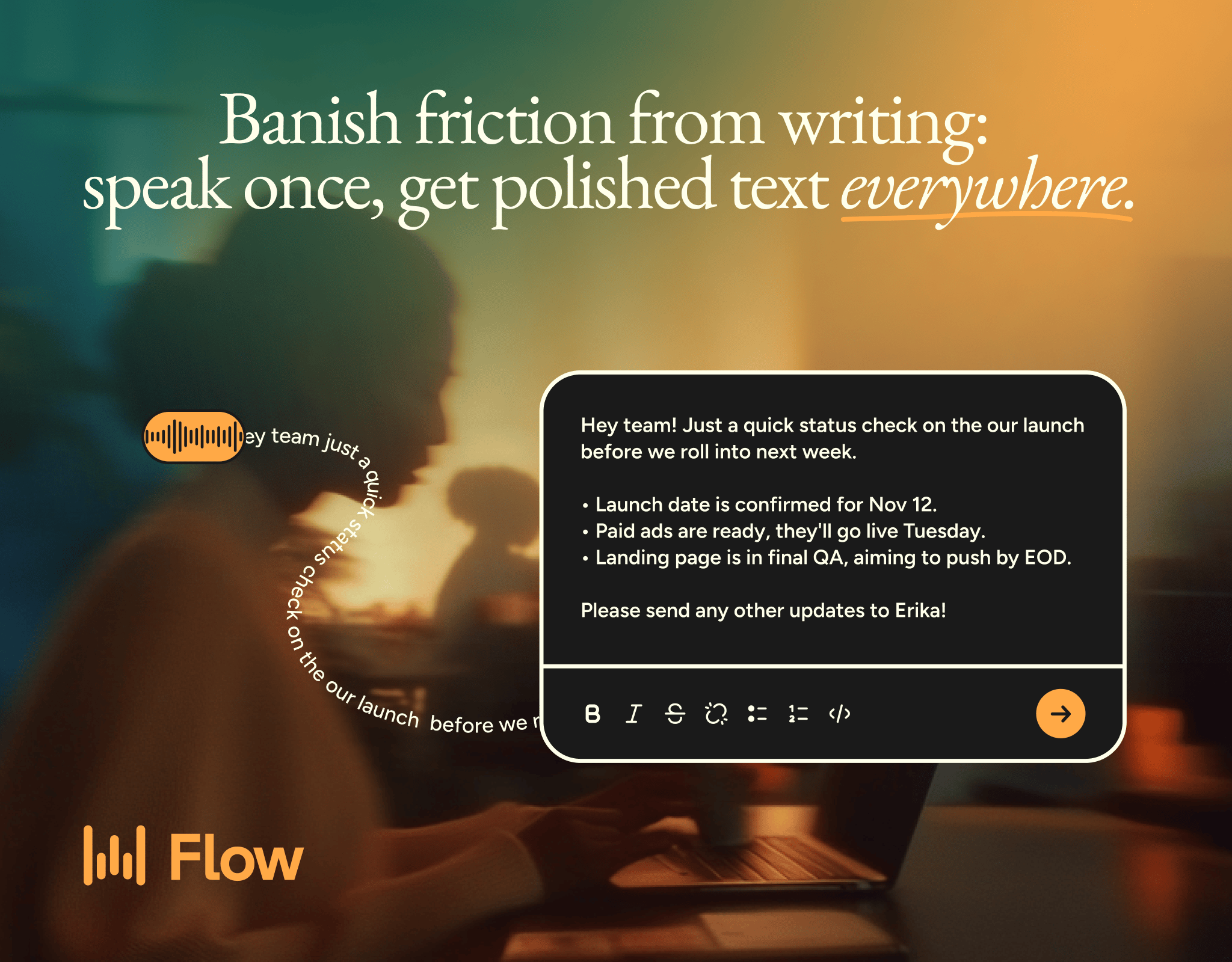
The best AI outputs come from detailed prompts. But typing long, context-rich prompts is slow - so most people don't bother.
Wispr Flow turns your voice into clean, ready-to-paste text. Speak naturally into ChatGPT, Claude, Cursor, or any AI tool and get polished output without editing. Describe edge cases, explain context, walk through your thinking - all at the speed you talk.
Millions of people use Flow to give AI tools 10x more context in half the time. 89% of messages sent with zero edits.
Works system-wide on Mac, Windows, iPhone, and now Android (free and unlimited on Android during launch).
In much of Latin America, time bends around relationships rather than schedules. Being “late” is rarely seen as disrespectful—it often signals that human interaction takes priority over rigid planning.
🇲🇽 Mexico embraces a fluid sense of timing, especially in social settings. Business environments are becoming more punctual, but flexibility remains the norm.
🇧🇷 Brazil operates on what locals sometimes call “Brazilian time,” where arriving 15–30 minutes late is widely accepted.
🇦🇷 Argentina blends European structure with Latin flexibility—punctual in formal settings, relaxed in daily life.
For someone relocating, this can feel liberating—or frustrating—depending on expectations. Patience becomes a practical skill.
A telling insight: In surveys, Latin Americans consistently rank relationships and life satisfaction higher than strict productivity—suggesting that flexible time may come with emotional dividends.

Southern Europe doesn’t reject time—it reshapes it. Here, the day is structured around natural rhythms rather than uninterrupted efficiency.
🇪🇸 Spain’s famous siesta culture (though less common in big cities today) reflects a historical adaptation to climate and lifestyle. Late dinners—often after 9 PM—shift the entire daily rhythm.
🇮🇹 Italy values punctuality in business but allows flexibility in social life, where conversation often overrides schedules.
🇬🇷 Greece maintains a relaxed pace, particularly outside major urban centers.
For retirees or lifestyle seekers, this region offers a slower, more human-centered tempo of life.
A fascinating detail: Spain operates on Central European Time despite its geographic alignment with the UK—effectively shifting daily life later by about an hour, reinforcing its unique time culture.

In many Middle Eastern societies, time is shaped by tradition, hospitality, and religion rather than strict clock-based discipline.
🇸🇦 Saudi Arabia structures daily life around prayer times, creating a rhythm that supersedes business schedules.
🇦🇪 The UAE blends global business punctuality with traditional flexibility—meetings may start late but relationships remain paramount.
🇪🇬 Egypt often operates with a relaxed approach to timing, especially outside formal sectors.
For business or relocation, understanding this balance is key: patience builds trust, and trust drives outcomes.
An overlooked insight: In cultures where hospitality is central, keeping someone waiting is often less important than giving full attention once the interaction begins.

Are You Ready to Actually Retire?

Knowing when to retire means knowing what it costs, how long your money needs to last, and where the income comes from. When to Retire: A Quick and Easy Planning Guide helps investors with $1,000,000 or more work through all of it.
Across Africa, time is often viewed as event-based rather than clock-based—a concept sometimes described as “African time.”
🇳🇬 Nigeria’s vibrant, fast-moving economy still accommodates flexible timing in social and informal settings.
🇰🇪 Kenya blends punctuality in professional environments with a more relaxed pace in daily life.
🇿🇦 South Africa stands out as more time-structured, particularly in business hubs like Johannesburg.
This flexibility often reflects infrastructure realities, cultural priorities, and community-oriented living.
For those considering investment or relocation, adaptability is essential.
A powerful perspective: In many African cultures, time is seen as something you experience—not something you “spend”—a subtle shift that changes how people approach stress and urgency.

In Southeast Asia, time often yields to harmony, respect, and social balance.
🇹🇭 Thailand operates on “Thai time,” where schedules are flexible and maintaining social ease is more important than strict punctuality.
🇮🇩 Indonesia reflects similar norms, especially across its many islands where local customs shape daily life.
🇵🇭 The Philippines is known for “Filipino time,” where lateness is culturally tolerated in many contexts.
For expats, this can mean fewer daily pressures—but also the need to adjust expectations.
A revealing trend: Countries with more flexible time cultures often report lower perceived daily stress, even when economic conditions are more challenging.

The Caribbean is perhaps one of the clearest examples of time as a lifestyle choice rather than a constraint.
🇯🇲 Jamaica embodies a relaxed pace where schedules adapt to circumstances and mood.
🇩🇴 The Dominican Republic blends business punctuality with social flexibility.
🇧🇧 Barbados maintains more structure but still prioritizes ease and quality of life.
This approach attracts retirees and remote workers seeking balance over speed.
A striking observation: Many Caribbean nations consistently rank high in measures of life enjoyment despite lower GDP per capita—suggesting that how time is experienced may matter as much as income.

In an increasingly digital world, even traditionally punctual cultures are evolving. Remote work, asynchronous communication, and global teams are redefining what “on time” means.
🌍 Hybrid work models allow flexibility across time zones.
📱 Messaging replaces meetings, reducing the need for strict scheduling.
🏡 Lifestyle migration is pushing people toward cultures with more relaxed time norms.
For investors, retirees, and global citizens, this shift opens new possibilities: where you live can now align more closely with how you want to experience time.
A forward-looking insight: By 2030, over 30% of knowledge workers are expected to work remotely—potentially accelerating the global blending of time cultures.

Time, it turns out, is not just measured—it’s interpreted.
Whether you prefer the precision of a ticking clock or the freedom of a fluid schedule, understanding these cultural differences can help you choose where—and how—you want to live.
Because in the end, the most valuable question may not be “What time is it?” but “What is my time worth?”
Stay curious, stay informed, and keep exploring the rhythms that shape our world.
Warm regards,
Shane Fulmer
Founder, WorldPopulationReview.com
P.S. Want to sponsor this newsletter? Reach 141,000+ global-minded readers — click here!