- World Population Review Newsletter
- Posts
- The Tourist Boom That’s Hiding a Crisis
The Tourist Boom That’s Hiding a Crisis
The data behind booming tourism and shrinking populations.

Philip Saparov
December 24, 2025
In partnership with

Greetings, restless explorer of global paradoxes,
What do Japan, Italy, and Portugal have in common? Tourists flood in—but locals are quietly disappearing.
In this edition, we dive into a strange truth: some of the world’s most visited countries are also shrinking. Fewer births. More aging. And yet... booming travel.
What does it mean for culture, opportunity, and the future of these postcard-perfect places?
Let’s find out.
7 Actionable Ways to Achieve a Comfortable Retirement

Your dream retirement isn’t going to fund itself—that’s what your portfolio is for.
When generating income for a comfortable retirement, there are countless options to weigh. Muni bonds, dividends, REITs, Master Limited Partnerships—each comes with risk and oppor-tunity.
The Definitive Guide to Retirement Income from Fisher investments shows you ways you can position your portfolio to help you maintain or improve your lifestyle in retirement.
It also highlights common mistakes, such as tax mistakes, that can make a substantial differ-ence as you plan your well-deserved future.
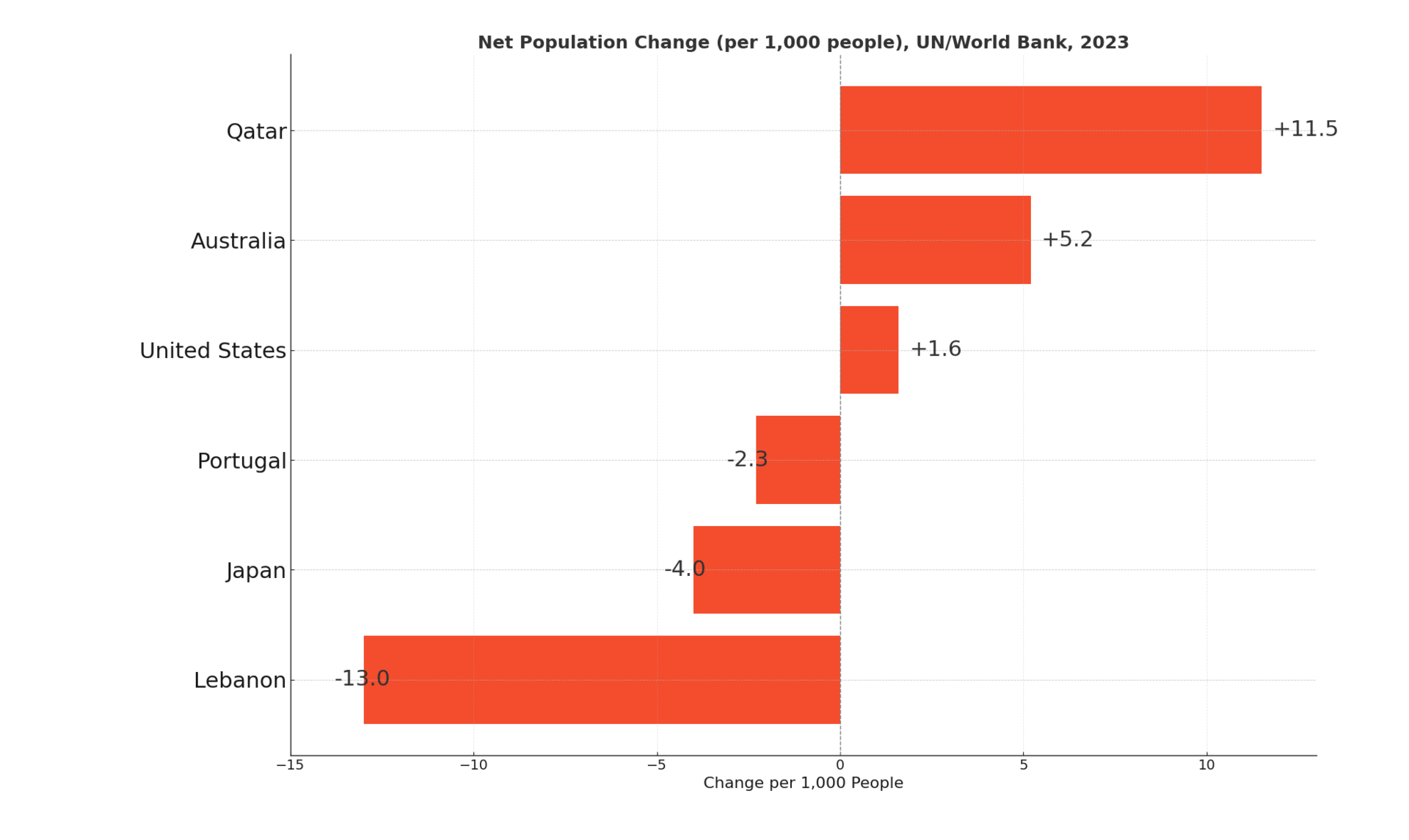
Japan just welcomed over 25 million tourists in 2024—a post-pandemic high. Tokyo, Kyoto, and Osaka are once again global hotspots. Yet behind the sushi and temples lies a startling demographic: Japan’s population is shrinking by over 500,000 people each year.
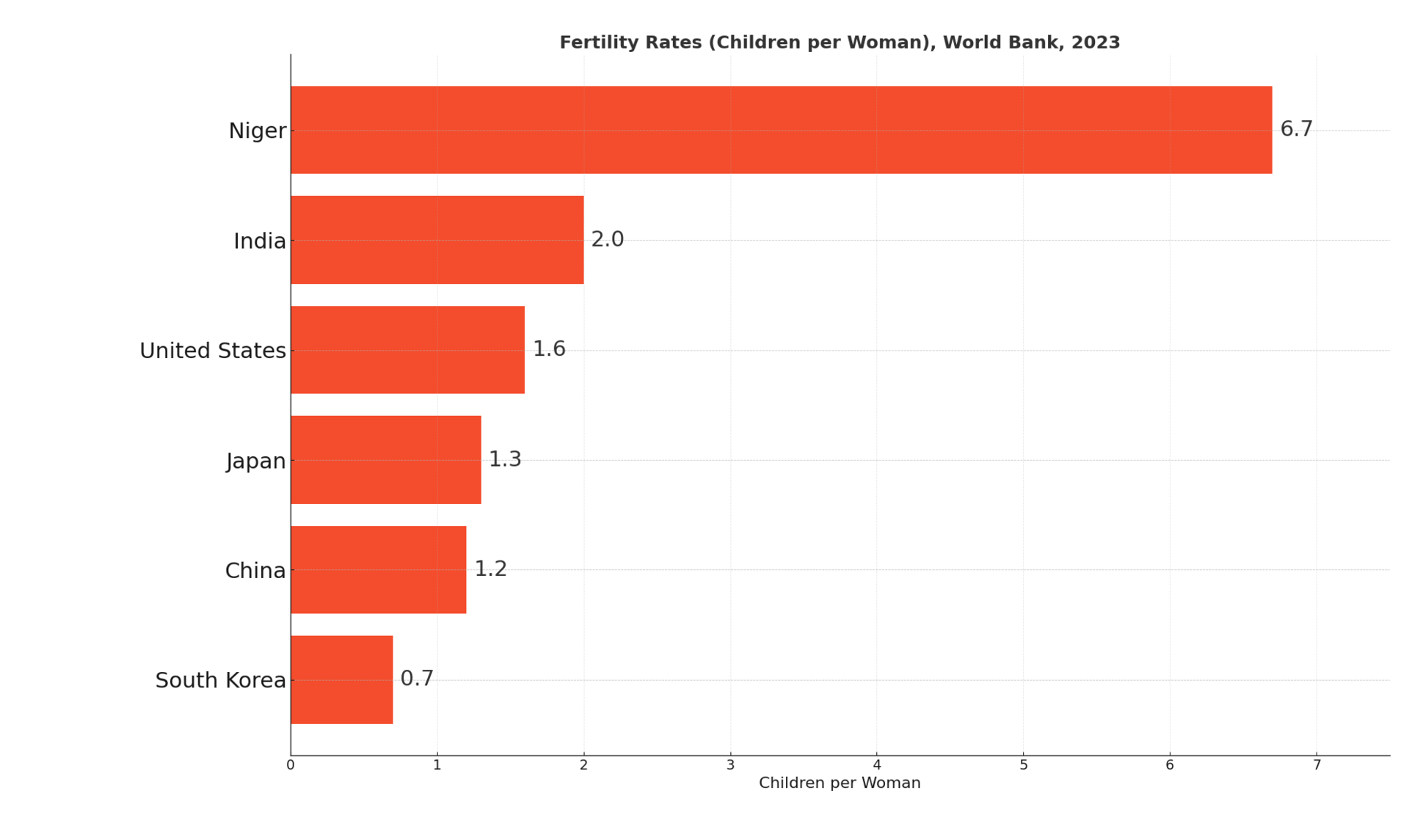
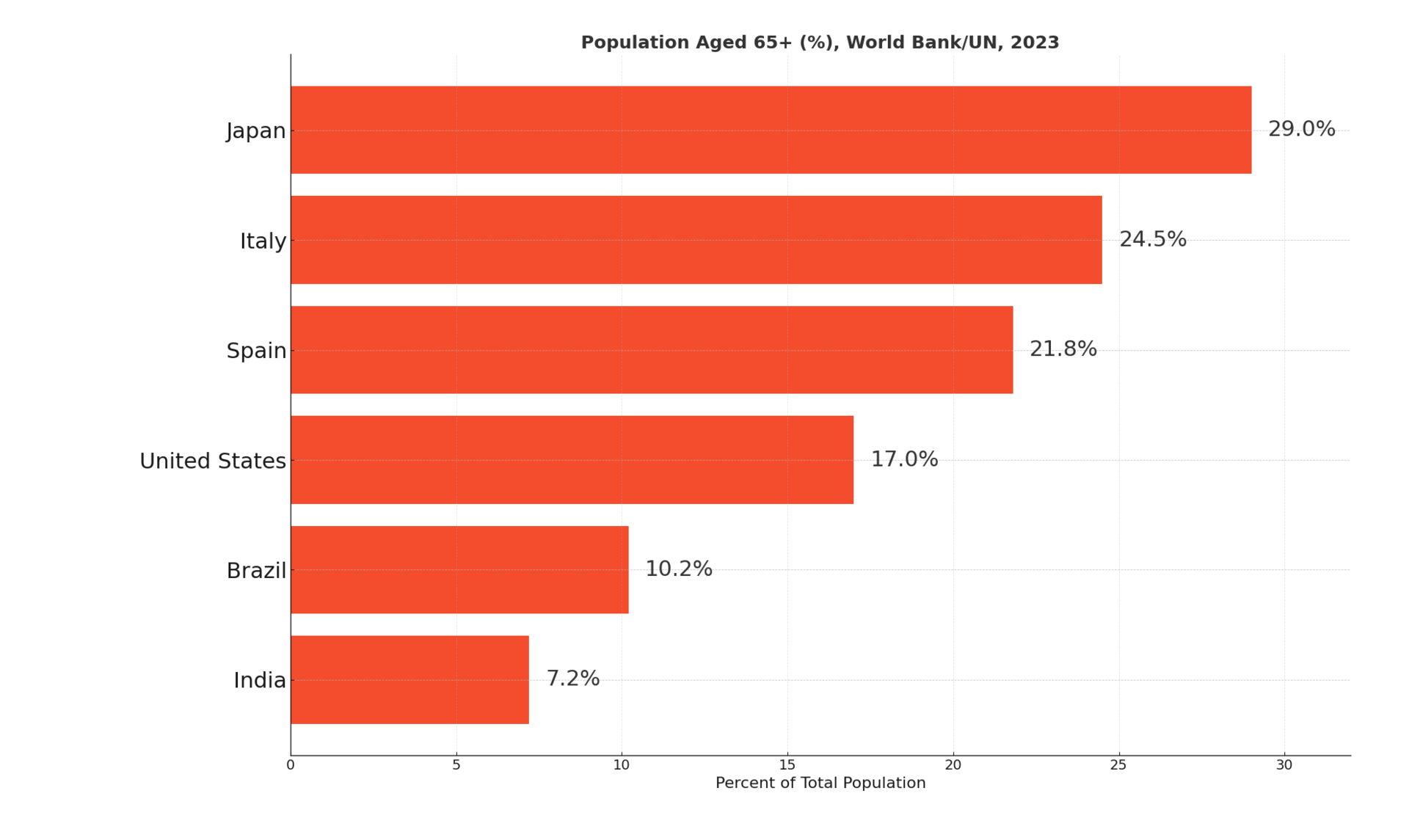
With one of the world’s oldest populations (nearly 30% over age 65), Japan faces a looming labor shortage and village-level depopulation. In places like Akita or Tottori, shuttered schools and silent streets contrast sharply with bustling tourist districts.
Meanwhile, some regions are adapting: Kyoto is now experimenting with tourism taxes to manage crowds while channeling funds into community preservation.
📉 Curious insight: Japan sells more adult diapers than baby diapers—a vivid indicator of the country’s aging trajectory.
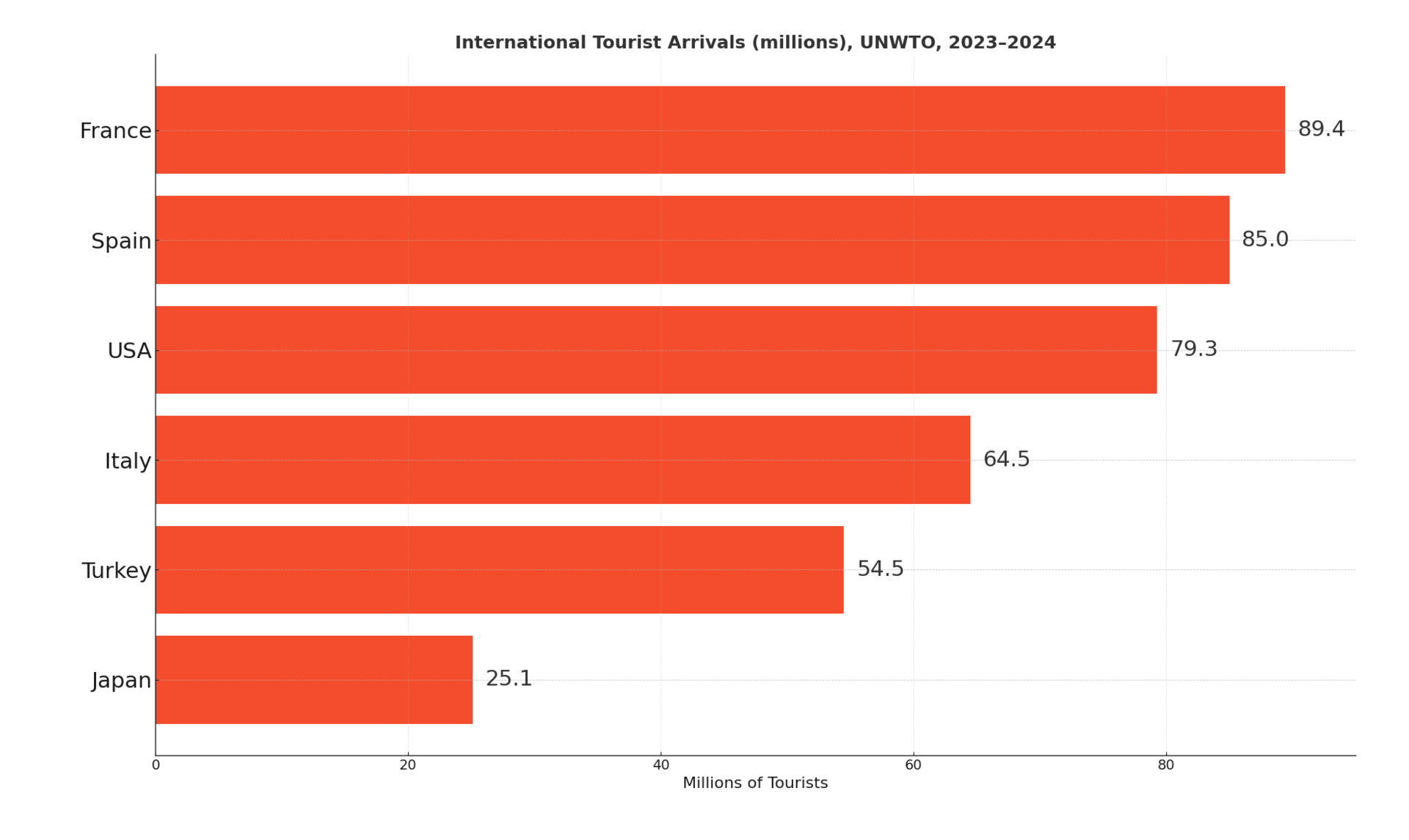
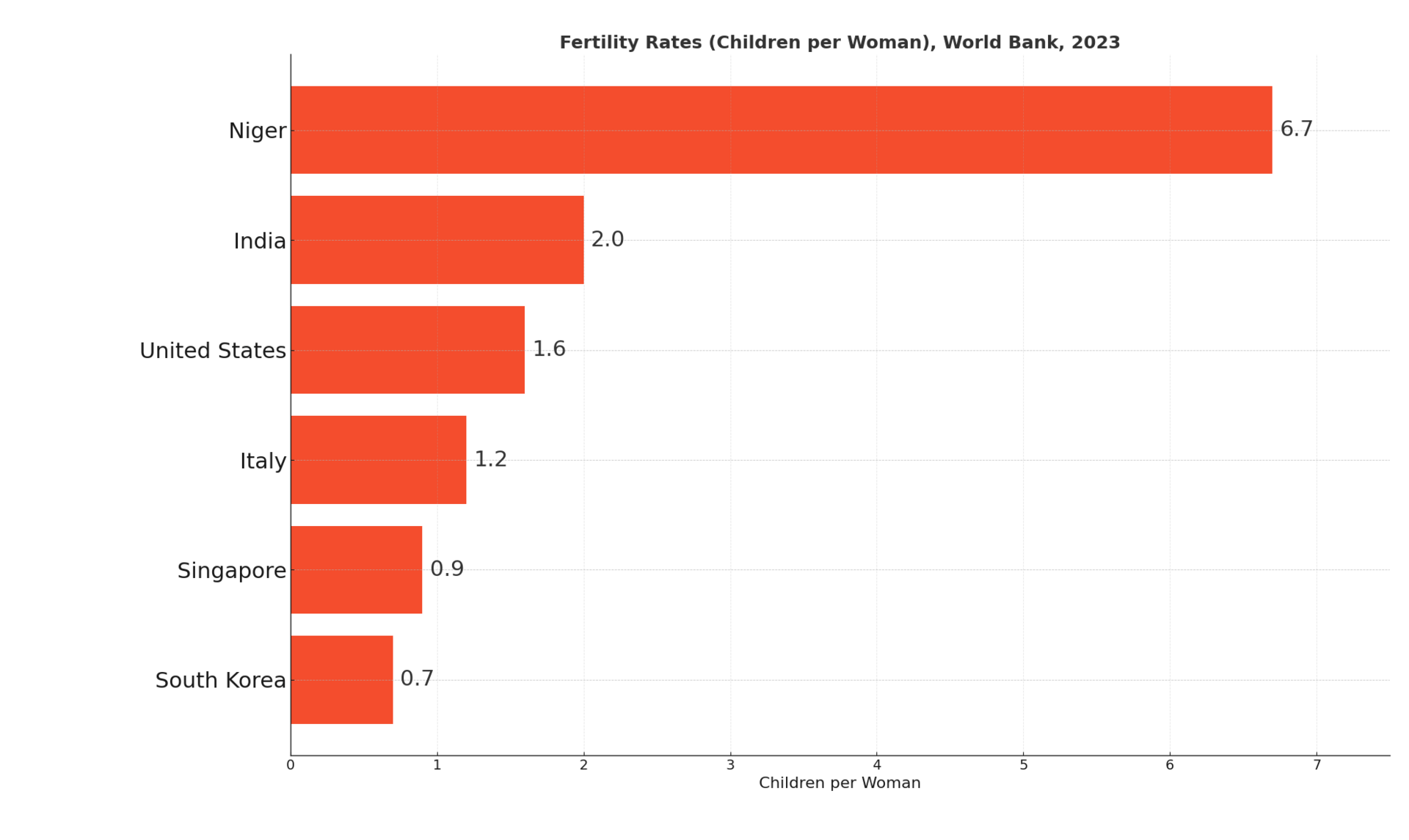
Italy continues to enchant. Rome’s Colosseum, Venice’s canals, and Tuscany’s hills drew nearly 60 million visitors this year. But behind the allure, Italy’s birth rate is at a historic low: just 1.2 children per woman.
Thousands of small Italian villages are losing residents so quickly that the government now sells abandoned homes for as little as €1 to attract buyers. In contrast, Venice recently implemented a tourist entry fee to control overwhelming day-trippers.
The tension is real: how do you protect heritage sites from wear-and-tear while also revitalizing communities?
🏛️ Unexpected stat: In some Italian towns, the ratio of tourists to residents can reach 500:1 during peak season.
Portugal’s sunny climate, relaxed pace, and Golden Visa program turned Lisbon and Porto into digital nomad havens. In 2024, the country welcomed over 30 million tourists—triple its total population.
Yet behind the boom is a population crisis. Portugal has one of Europe’s lowest fertility rates and has lost close to half a million residents since 2009. While retirees and remote workers arrive, young Portuguese often leave for better-paying jobs abroad.
The upside? International dollars are keeping sleepy inland villages alive, with some being transformed into boutique hotels and remote work retreats.
🔁 Fascinating trend: In 2023, more foreigners moved to Portugal than Portuguese babies were born.
Retirement Planning Made Easy

Building a retirement plan can be tricky— with so many considerations it’s hard to know where to start. That’s why we’ve put together The 15-Minute Retirement Plan to help investors with $1 million+ create a path forward and navigate important financial decisions in retirement.
Just 30 years ago, Croatia was embroiled in war. Today, it’s one of Europe’s fastest-growing tourist destinations—thanks in part to the Game of Thrones boom in Dubrovnik and stunning Adriatic coastlines.
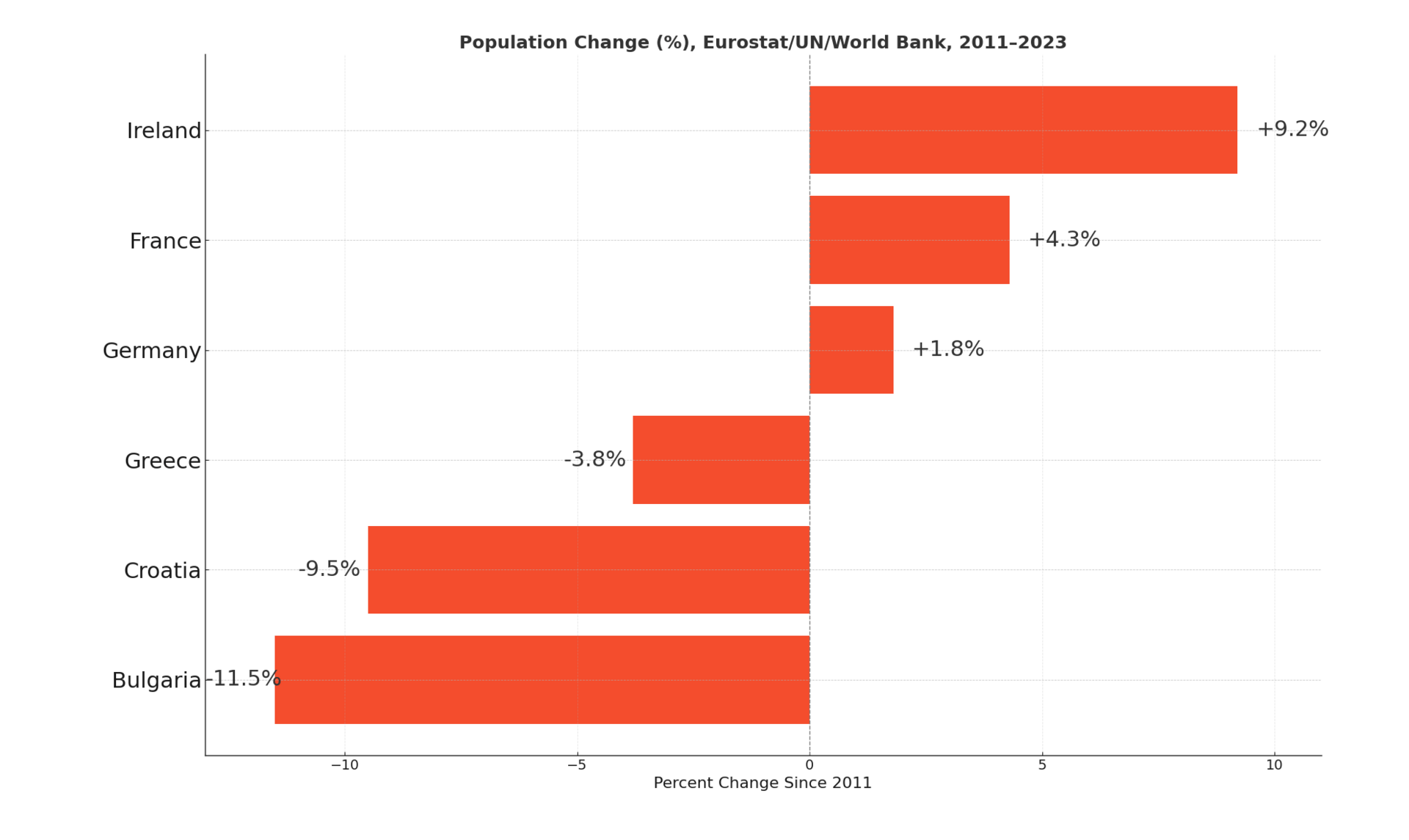
Tourism now accounts for over 20% of Croatia’s GDP. But here too, the population is declining—down nearly 10% since 2011, one of the steepest drops in the EU.
Youth outmigration to Western Europe is rampant. Villages in Slavonia are turning into ghost towns even as the beaches overflow with foreign visitors each summer.
📸 Snapshot of contrast: In the same year Croatia welcomed over 20 million tourists, it lost more residents than it gained from births or migration combined.
South Korea’s global brand—from K-pop to Korean skincare—has made Seoul a tourism and cultural hub. Yet South Korea now has the lowest fertility rate in the world: 0.72.
Despite over 15 million tourists visiting in 2024, the nation faces a demographic time bomb. Classrooms are closing. Schools are merging. Even government subsidies haven’t reversed the trend.
The tourism industry is trying to help—by revitalizing rural areas through “slow travel” experiences and promoting cultural heritage tours beyond Seoul.
⏳ Stunning fact: At the current birth rate, South Korea’s population could be cut in half by the end of the century.
Spain remains one of the most visited countries on Earth, with over 85 million tourists in 2024. The Mediterranean coast is thriving. So is Barcelona. So are the tapas bars.
Yet Spain’s population is aging rapidly, with more people over 65 than under 15. Rural areas—especially in Castilla y León and Galicia—are hollowing out, leaving ancient towns to crumble.
Spain is responding by offering residency incentives to remote workers and developing “smart villages” to entice younger populations back with tech and infrastructure.
🌅 Provocative parallel: Spain is simultaneously the top destination for European retirees and one of the top exporters of its own youth.
Greece saw over 33 million visitors in 2024—nearly triple its population. Tourism now accounts for over 25% of the economy, but the population has fallen for over a decade due to low birth rates and economic migration.
Remote islands like Ikaria are famed for longevity—but young people are disappearing from them. Meanwhile, the Greek government is now incentivizing expats to return and startups to relocate.
There’s also a rise in “second-life” tourism: people retiring to Greece from the UK, Germany, and the U.S. for affordability and sun.
📉 Little-known truth: Greece's population is expected to decline by over 1 million by 2050—even as tourism continues to climb.
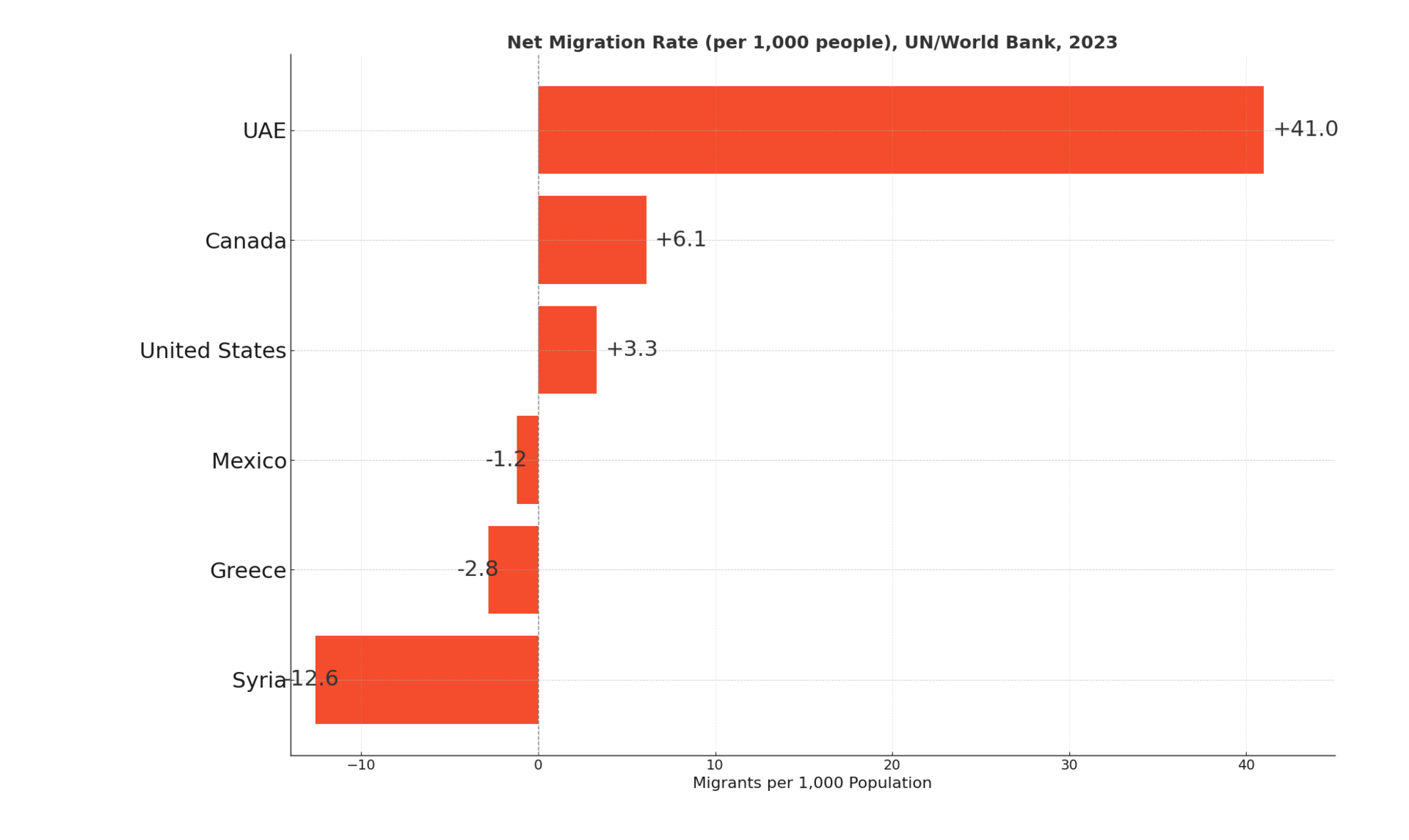
Tourists keep coming. Locals keep leaving.
For travelers, it’s opportunity. For nations, a reckoning. Two futures are unfolding—one for visitors, one for those who remain.
Until next time, stay curious… and ask: Who’s still here when the planes fly home?
Warm regards,
Shane Fulmer
Founder, WorldPopulationReview.com
P.S. Want to sponsor this newsletter? Reach 140,000+ global-minded readers — click here!