- World Population Review Newsletter
- Posts
- What If the Things You Own Are Quietly Shaping You
What If the Things You Own Are Quietly Shaping You
How meaning we assign to things shapes life, wealth, and well-being.

Philip Saparov
March 19, 2026
In partnership with

Greetings, inquisitive mind of hidden patterns!
In a world built on data and logic, many people still believe the things around them carry meaning—even energy. From the homes we design to the objects we keep, these quiet beliefs shape how we live, spend, and decide.
Is it superstition—or something more practical?
Today, we explore how this hidden layer of thinking influences everything from personal well-being to global markets—and what it means for the choices you make next.
Let’s take a closer look.
When it all clicks.

Why does business news feel like it’s written for people who already get it?
Morning Brew changes that.
It’s a free newsletter that breaks down what’s going on in business, finance, and tech — clearly, quickly, and with enough personality to keep things interesting. The result? You don’t just skim headlines. You actually understand what’s going on.
Try it yourself and join over 4 million professionals reading daily.
In Japan, the idea that objects carry energy is woven into everyday life ⛩️. Rooted in Shinto beliefs, even inanimate items can possess a spirit, known as kami. This isn’t abstract philosophy—it shapes real behaviors.
Old possessions are treated with care 🧸, and many are ceremonially retired. Broken needles, worn-out dolls, even kitchen tools are taken to temples for rituals honoring their “service.” The concept extends into minimalism 🧹: clutter is believed to disrupt harmony, not just visually but energetically.
At the same time, modern Japan blends this with efficiency. Marie Kondo’s global influence reflects this fusion—keeping only what “sparks joy” ✨ is essentially energy curation.
For someone considering life in Japan, this mindset shows up in housing 🏡, design, and even workplace culture—order and intention matter deeply.
A striking detail: some temples hold annual funerals for thousands of discarded dolls, acknowledging emotional bonds that lasted decades.

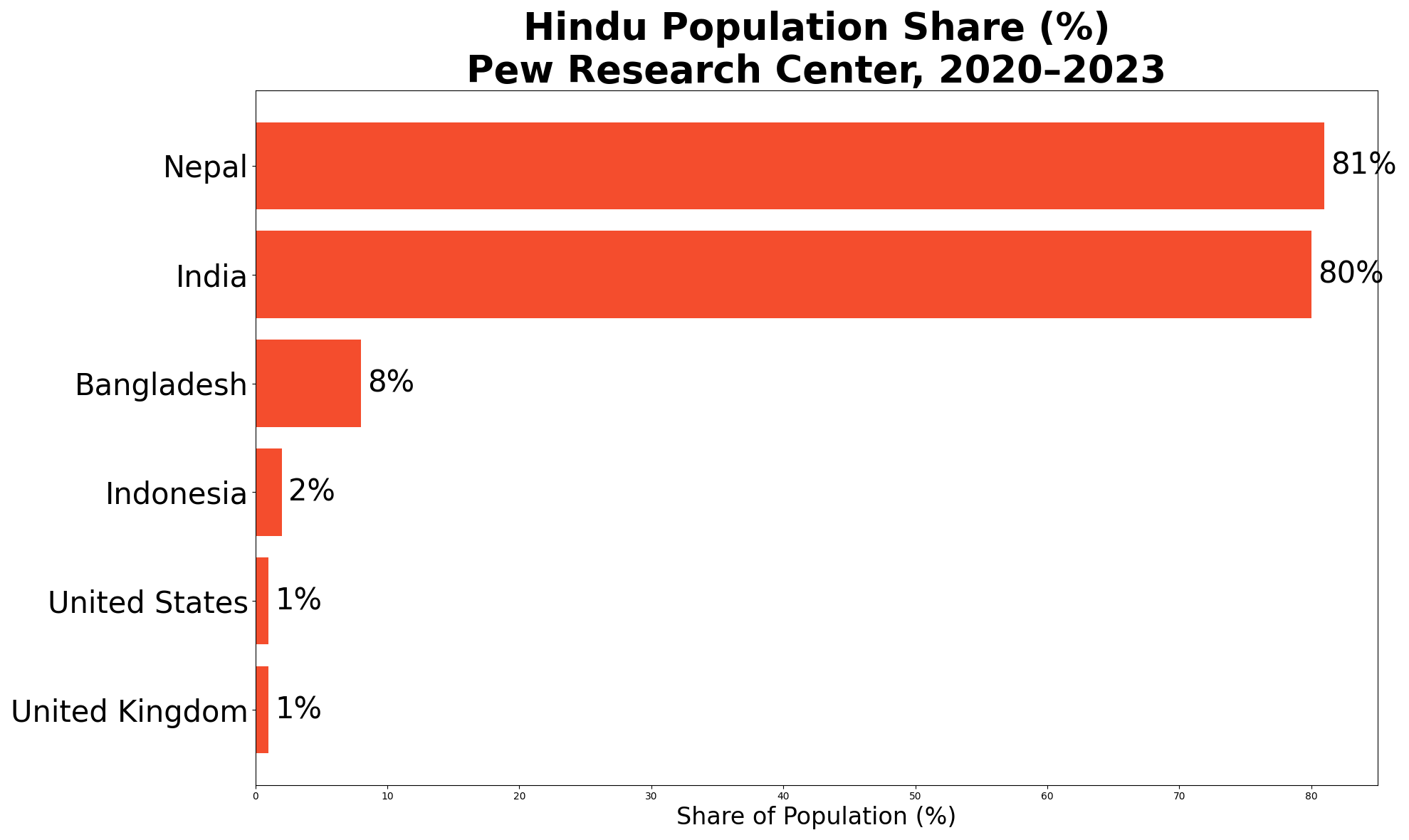
In India, the belief that objects carry energy isn’t niche—it’s foundational 🕉️. Practices like Vastu Shastra guide how homes are built, arranged, and even purchased.
Orientation matters 🧭. A front door facing a certain direction can influence prosperity. The placement of a bed 🛏️, stove 🍳, or desk 🪑 is believed to affect health, finances, and relationships. For many, this isn’t optional—it’s a deciding factor in real estate.
This has tangible market effects. Properties aligned with Vastu principles often command higher prices and sell faster, particularly in urban centers like Mumbai and Bangalore.
Beyond homes, objects like gemstones 💎, metals, and religious symbols are worn or placed strategically to attract positive outcomes.
For readers thinking about relocation or investment, understanding Vastu can mean the difference between a desirable property and one that lingers unsold.
A curious insight: some developers now design entire apartment complexes pre-aligned with Vastu to appeal to buyers at scale.
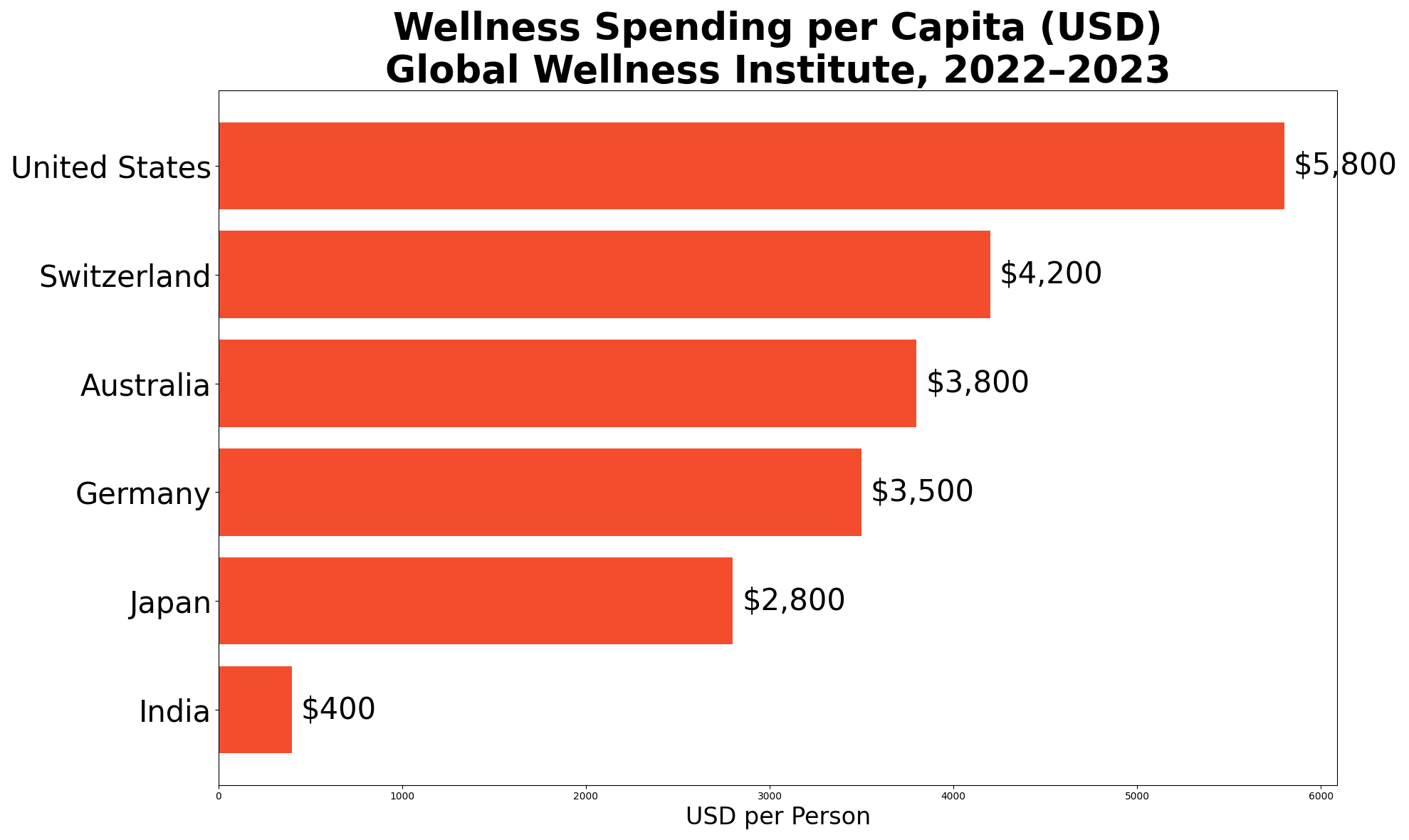
In the U.S., belief in object-based energy has taken a distinctly modern form—blending spirituality with commerce 💰.
Crystals 🔮, essential oils 🌿, weighted blankets 🛌, and even “energy-cleansing” sprays are now part of a booming wellness economy worth hundreds of billions globally. Unlike traditional belief systems, this version is highly individualized.
People curate personal environments 🏠: a stone for calm, a diffuser for focus, a specific chair for “grounding.” These choices often overlap with mental health strategies 🧠—creating a sense of control in uncertain times.
Interestingly, this trend is strongest among educated, higher-income demographics—those who also value data and science.
For decision-makers, the takeaway is practical: environments influence performance 📈. Whether or not energy is “real,” the perception shapes behavior, productivity, and well-being.
A notable stat: U.S. crystal sales alone surged over 30% in recent years, driven largely by adults over 35—not teenagers.
Elon's Next Money-Maker?
$1 billion money manager Louis Navellier uncovered Elon's "Project Apex" — a new AI breakthrough. Watch the free LIVE DEMO and get the ticker symbol of the company at the center.
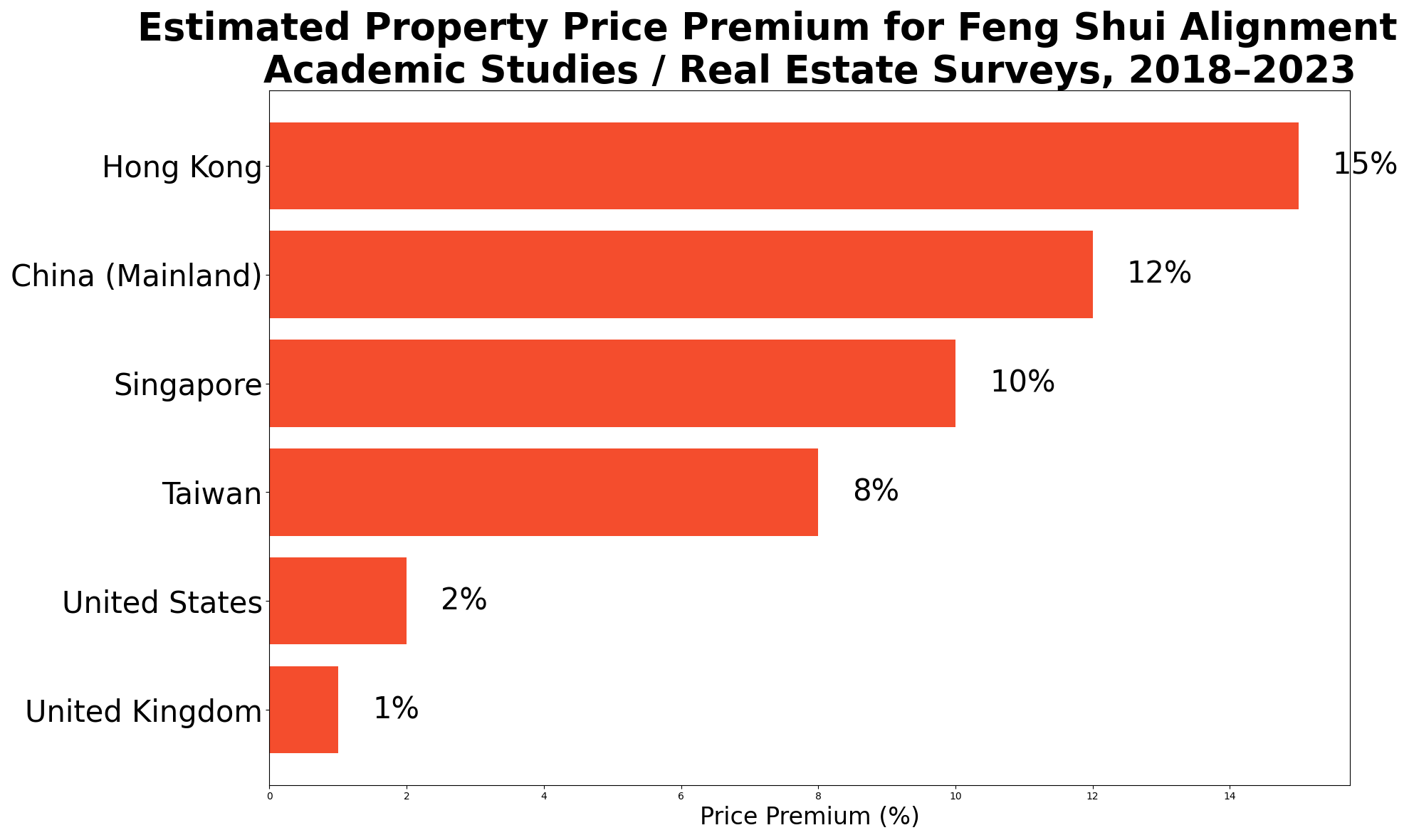
In China, Feng Shui remains a powerful force—not just culturally, but economically 🏙️.
At its core, Feng Shui is about energy flow (qi) 🌬️—how objects and spaces influence fortune. Businesses, banks 🏦, and even skyscrapers are designed with these principles in mind.
Major corporations consult Feng Shui experts before choosing office layouts 🏢 or headquarters. In Hong Kong, buildings famously include gaps or unusual shapes to allow energy (and wind) to pass through.
For investors and expatriates, this isn’t trivial. Properties with “good Feng Shui” can significantly outperform others in value and desirability 📊.
Even government projects have quietly incorporated these ideas, blending tradition with modern planning.
A fascinating case: HSBC reportedly spent millions redesigning its headquarters based on Feng Shui advice—after early financial struggles were attributed to poor energy alignment.
In contrast, Scandinavian countries express this belief in subtler ways—through design philosophy rather than explicit spirituality 🕯️.
Concepts like hygge (Denmark) and lagom (Sweden) emphasize balance ⚖️, comfort, and intentional living. Objects are chosen not for symbolism, but for how they make a space feel.
Natural materials 🌲, soft lighting 💡, and minimal clutter create environments that promote calm and clarity. While not framed as “energy,” the effect is similar—spaces are curated to influence emotional states.
This approach has global appeal, especially among those seeking lower-stress lifestyles or retirement destinations.
For readers considering relocation, Scandinavian living offers a practical model: fewer possessions, but higher quality and greater emotional return.
An interesting detail: Scandinavian countries consistently rank among the happiest globally—despite long, dark winters—suggesting environment design plays a measurable role.
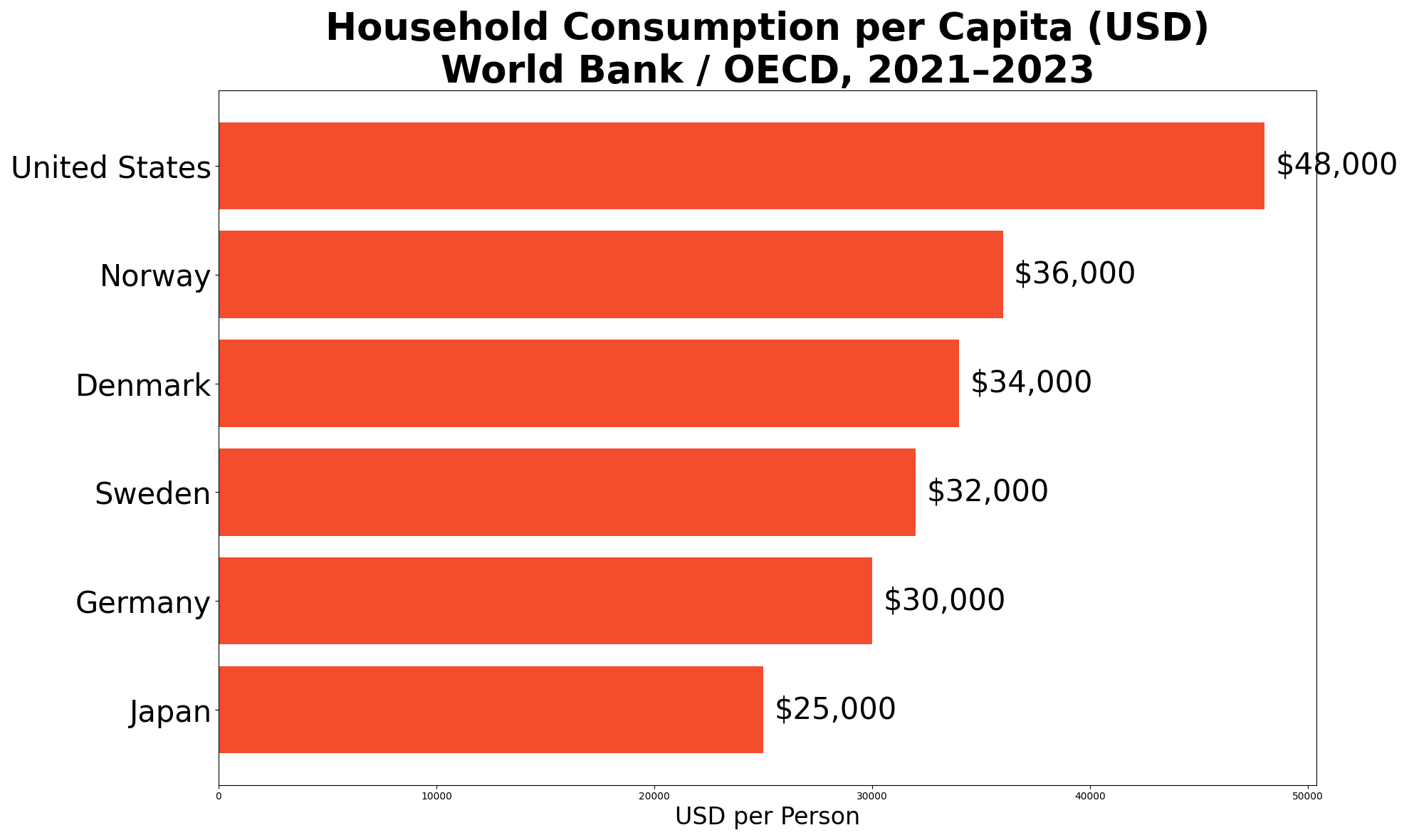
Across many African cultures, objects are deeply tied to ancestry and identity 🪶. Masks 🎭, carvings, textiles 🧵, and jewelry are not merely decorative—they carry stories, lineage, and spiritual significance.
These items are often used in rituals, ceremonies, and community gatherings 🔥. Their “energy” comes from connection—to family, history, and collective memory.
This perspective influences everything from art markets to inheritance practices. Objects are rarely discarded casually; they are passed down, preserving continuity across generations.
For those interested in cultural immersion or investment in global art, understanding this context adds depth—and respect—to transactions.
A compelling insight: some artifacts increase in value not just due to age, but because of documented ceremonial use, believed to enhance their spiritual significance.
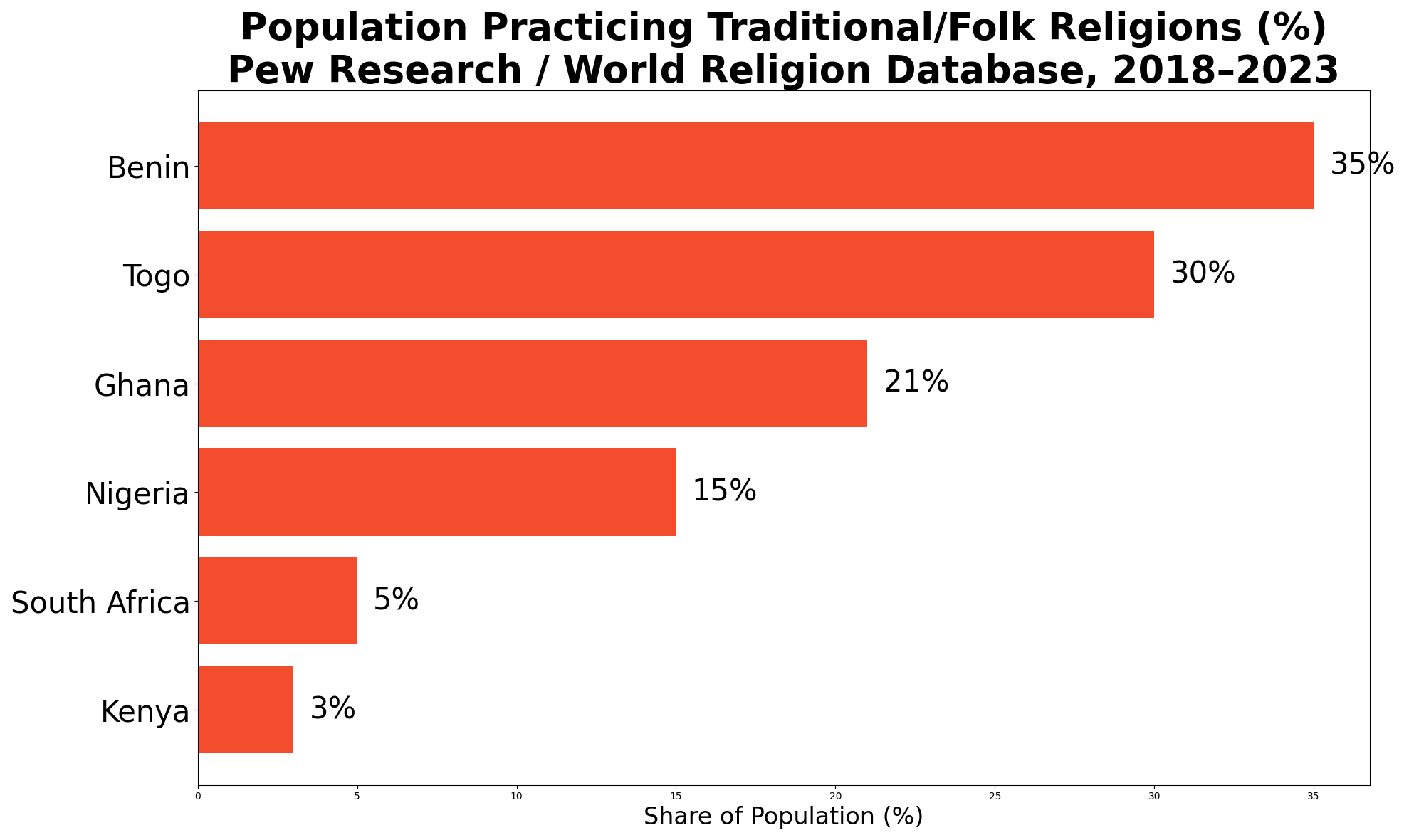
As the world becomes more digital, the concept of meaningful objects is evolving—not disappearing 💻.
NFTs 🖼️, virtual real estate 🏙️, and digital collectibles are, in essence, objects people believe carry value, identity, and even “aura.” While intangible, they fulfill similar psychological roles.
People assign meaning, status, and emotional attachment ❤️ to things they cannot physically touch. This suggests the belief isn’t about the object itself—but what it represents.
For investors and forward-thinkers, this raises a key question: what gives something value in the future—utility, scarcity, or perceived energy?
The lines between physical and digital meaning are blurring rapidly.
A striking projection: by 2030, digital assets tied to identity and ownership could rival physical collectibles in total market value.
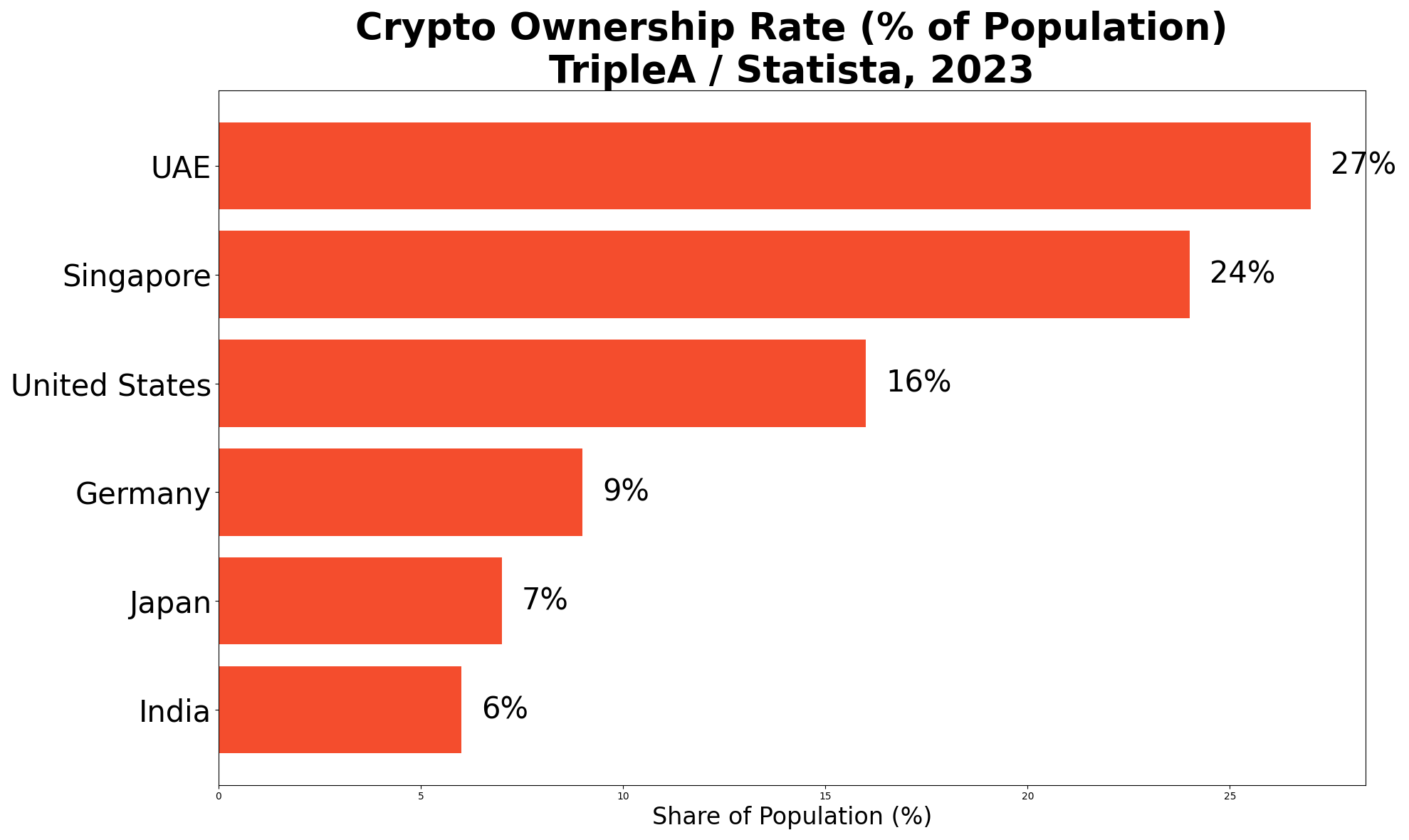
Across cultures, one truth keeps showing up: people don’t just use objects—they assign them meaning.
Whether through tradition, design, or modern wellness, these beliefs quietly shape how we live and decide. And in a data-driven world, recognizing those unseen influences can give you an edge.
Stay curious—and keep looking beneath the surface.
Warm regards,
Shane Fulmer
Founder, WorldPopulationReview.com
P.S. Want to sponsor this newsletter? Reach 141,000+ global-minded readers — click here!