- World Population Review Newsletter
- Posts
- Where Friendships Stand the Test of Time
Where Friendships Stand the Test of Time
Social cohesion data reveals where bonds endure—and why.

Philip Saparov
April 13, 2026
Sponsored by

Greetings, inquisitive mind of global insight!
In a world of constant movement and digital noise, one quiet question matters more than most: where do friendships actually last? The answer shapes not just happiness, but how we live, age, and connect.
Some places make lasting relationships feel natural. Others make them harder to hold onto.
Today, we explore where bonds endure—and what that means for the life you’re building.
What Will Your Retirement Look Like?

Retirement looks different for everyone. What it costs, where the income comes from, how long it needs to last. Those answers are specific to you.
The Definitive Guide to Retirement Income helps investors with $1,000,000 or more work through the questions that matter and build a plan around the answers.
Download your free guide to start turning a savings number into an actual retirement income strategy.
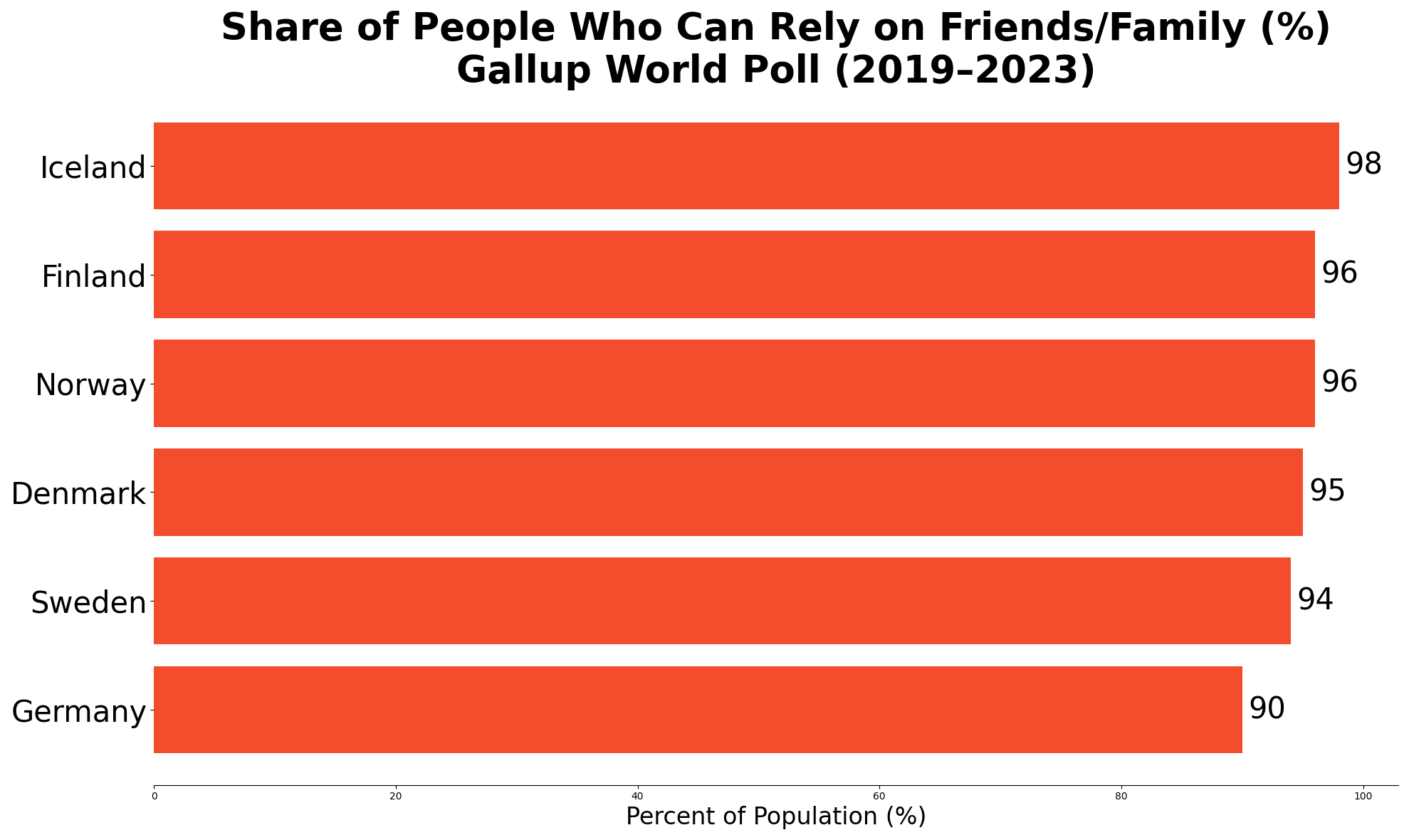
In the Nordic countries, friendship isn’t loud—but it’s enduring. Social cohesion here is built on trust, equality, and shared responsibility.
🇩🇰 Denmark consistently ranks among the world’s happiest nations. Friendships form slowly but tend to last decades, supported by strong welfare systems that reduce social stress.
🇳🇴 Norway fosters connection through community rituals—outdoor life, local clubs, and intergenerational engagement.
🇫🇮 Finland, often seen as reserved, actually reports some of the highest levels of long-term trust between individuals.
Putting It Into Perspective: These countries show that stability—not constant social activity—is the foundation of lasting relationships.
🔎 Quiet insight: In Finland, over 70% of people say they can rely on close friends in times of crisis—one of the highest rates globally.
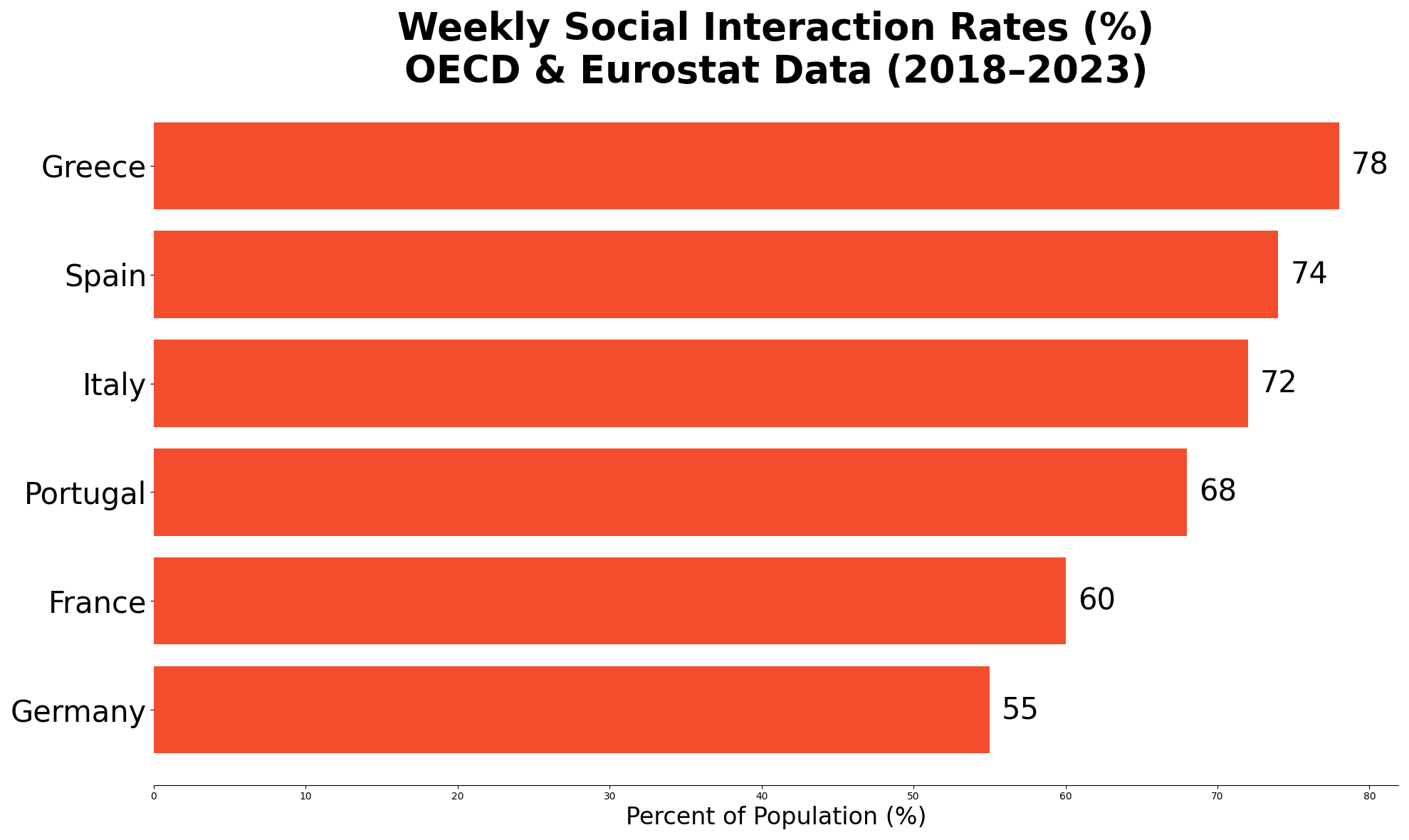
In Southern Europe, friendships are not scheduled—they are lived.
🇮🇹 Italy thrives on tight-knit social circles, where friendships often overlap with family and extend across generations.
🇪🇸 Spain’s culture of late dinners and public social life creates frequent, low-pressure interaction—ideal for maintaining bonds.
🇬🇷 Greece emphasizes loyalty and emotional closeness, even during economic hardship.
Putting It Into Perspective: These societies show that frequency of interaction—not just depth—keeps relationships alive.
🔎 Cultural nuance: In Spain, it’s common to maintain the same core friend group from adolescence into retirement—a rarity in more mobile societies.
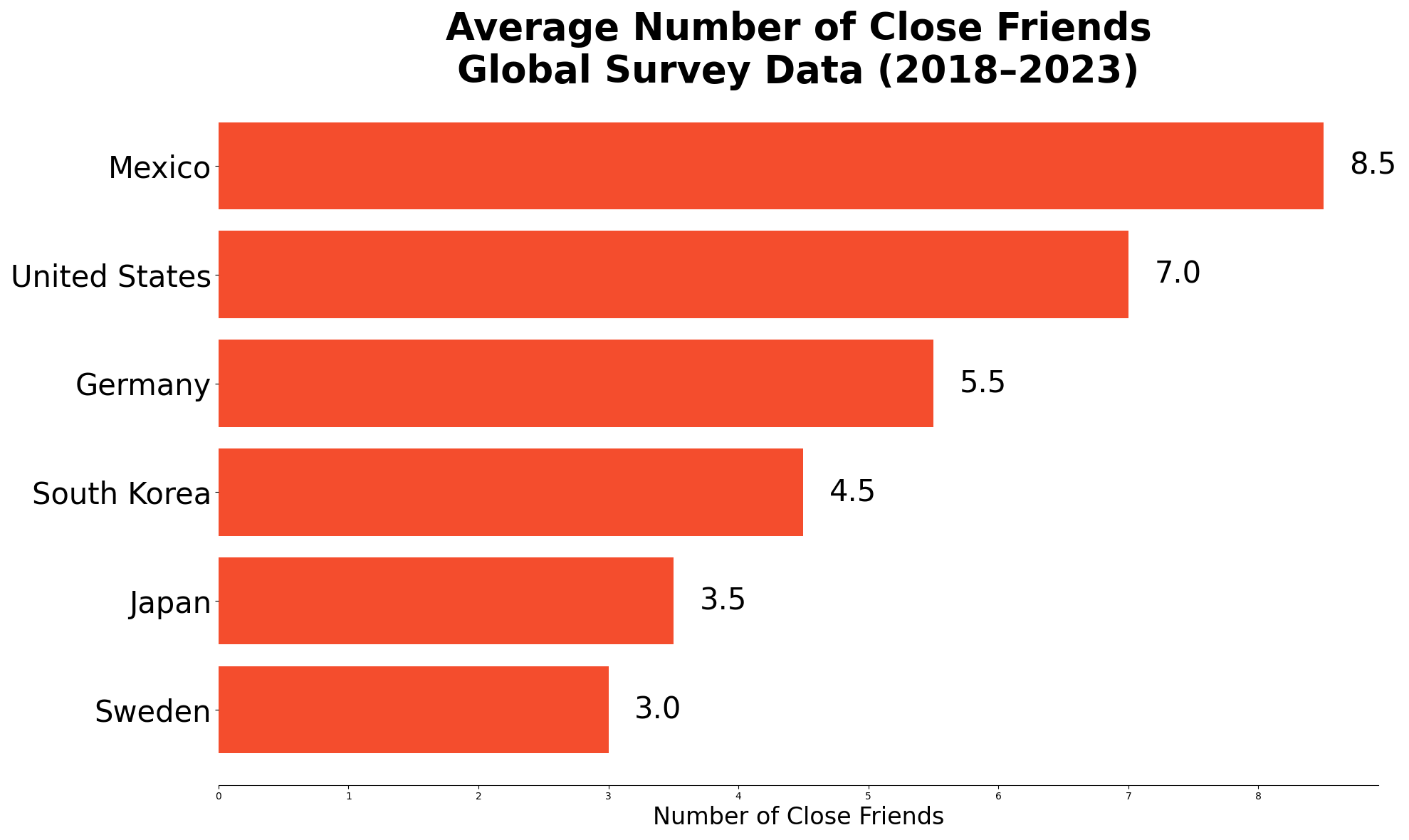
In East Asia, friendships tend to be fewer—but deeply rooted.
🇯🇵 Japan values long-term loyalty, with friendships often formed in school or early career and maintained for life.
🇰🇷 South Korea emphasizes strong in-group bonds, reinforced by shared experiences like education and military service.
🇹🇼 Taiwan blends traditional loyalty with modern openness, creating stable yet evolving social networks.
Putting It Into Perspective: These cultures prioritize depth over breadth—fewer friends, but stronger ties.
🔎 Notable trend: In Japan, it’s common for friend groups formed in high school to still meet regularly 30–40 years later.
Go from AI overwhelmed to AI savvy professional

AI will eliminate 300 million jobs in the next 5 years.
Yours doesn't have to be one of them.
Here's how to future-proof your career:
Join the Superhuman AI newsletter - read by 1M+ professionals
Learn AI skills in 3 mins a day
Become the AI expert on your team
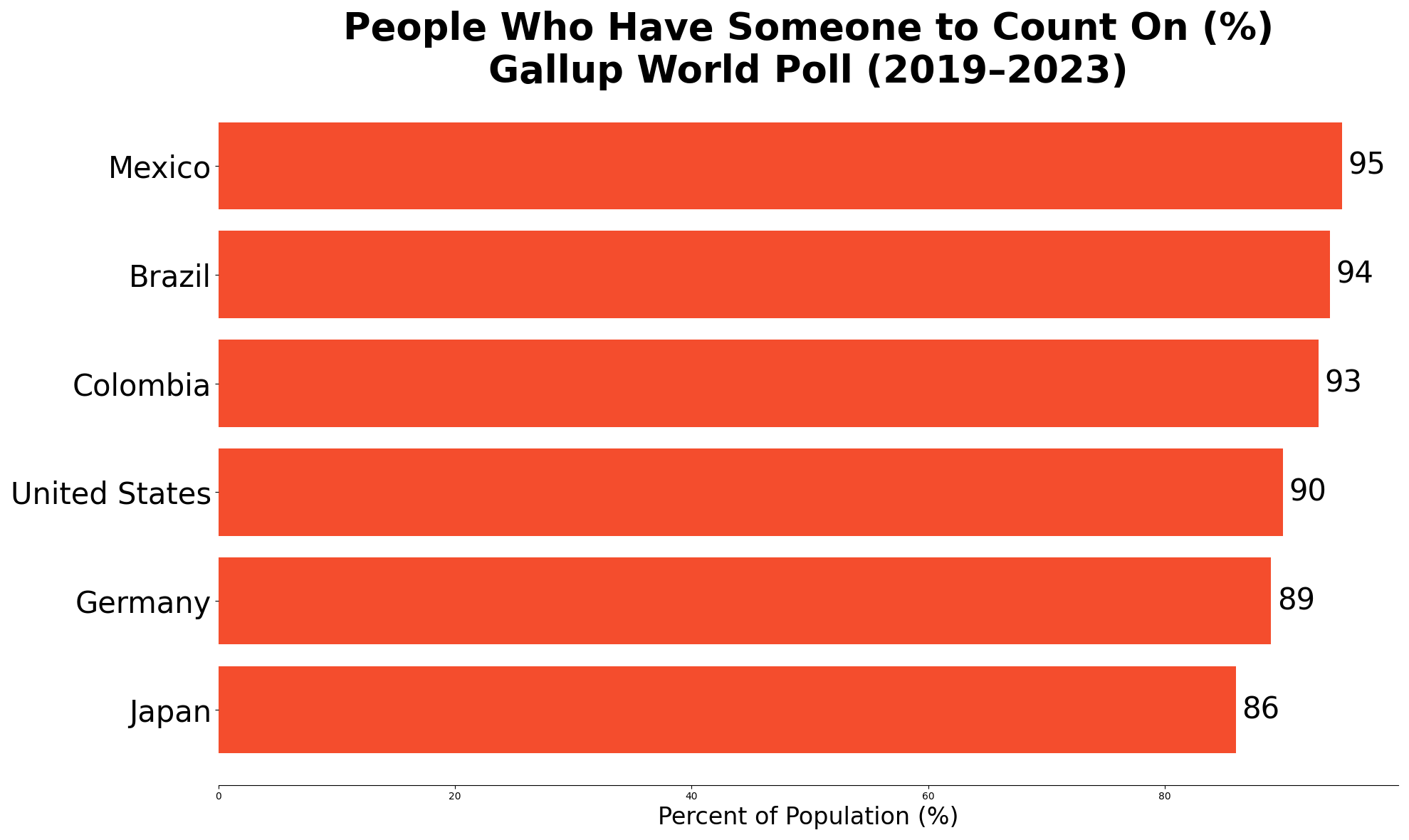
Few regions rival Latin America in warmth and social closeness.
🇲🇽 Mexico places friendship at the center of daily life, with frequent gatherings and strong emotional support networks.
🇧🇷 Brazil’s social culture thrives on openness, spontaneity, and shared celebration.
🇨🇴 Colombia has seen social cohesion strengthen in recent years, driven by community rebuilding efforts.
Putting It Into Perspective: Emotional expressiveness and shared experiences make friendships resilient—even in uncertain environments.
🔎 Surprising stat: Latin American countries consistently rank among the highest globally for people who say they have “someone to count on.”
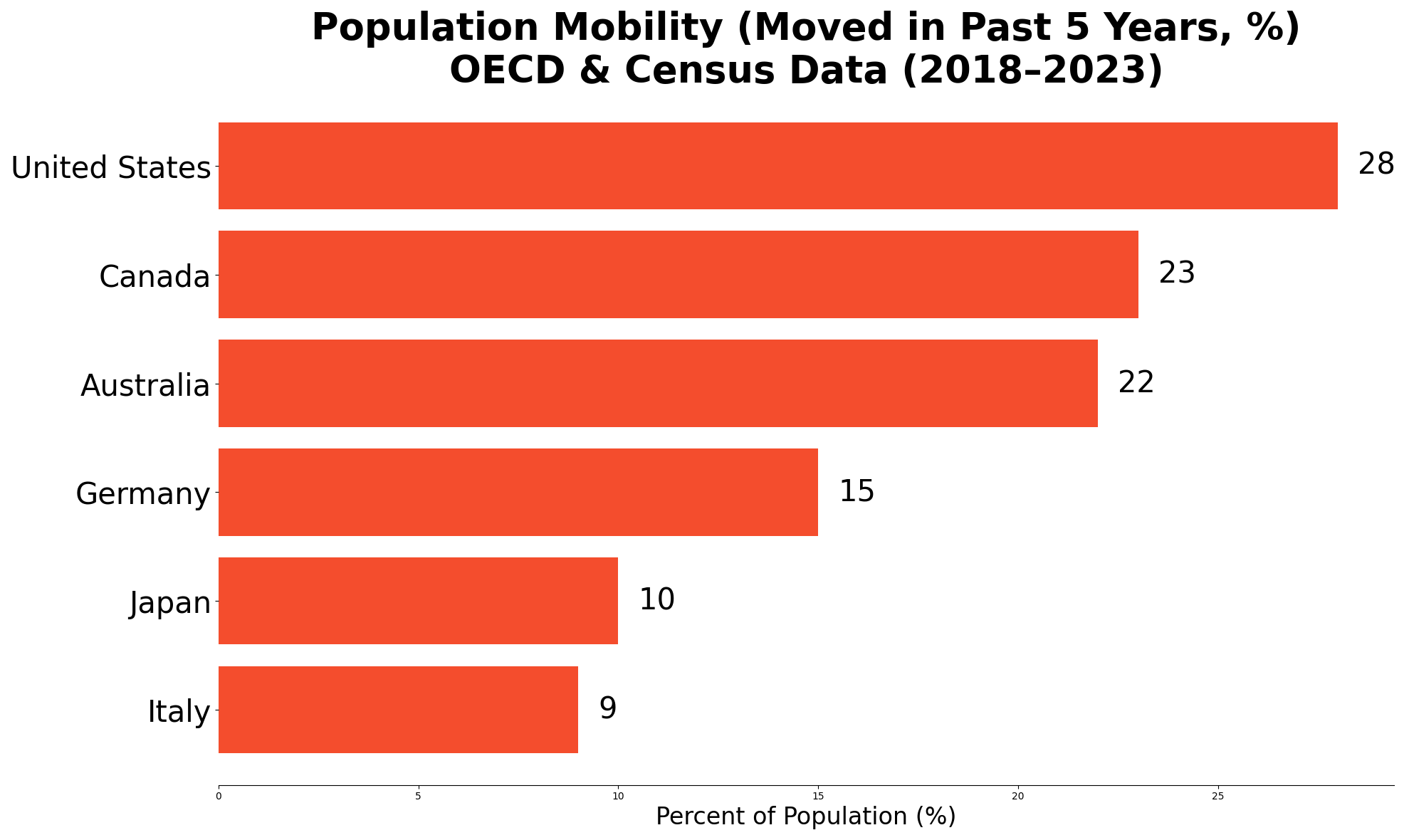
In the U.S., friendships are abundant—but often transient.
🇺🇸 High geographic mobility means people frequently leave social circles behind in pursuit of opportunity.
🇨🇦 Canada, while similar, shows slightly stronger long-term cohesion due to more stable communities.
🇦🇺 Australia balances mobility with strong local cultures, particularly in smaller cities.
Putting It Into Perspective: Opportunity can come at the cost of continuity—making intentional effort essential for lasting bonds.
🔎 Eye-opening data: The average American reports having fewer close friends today than 20 years ago—a sharp cultural shift.
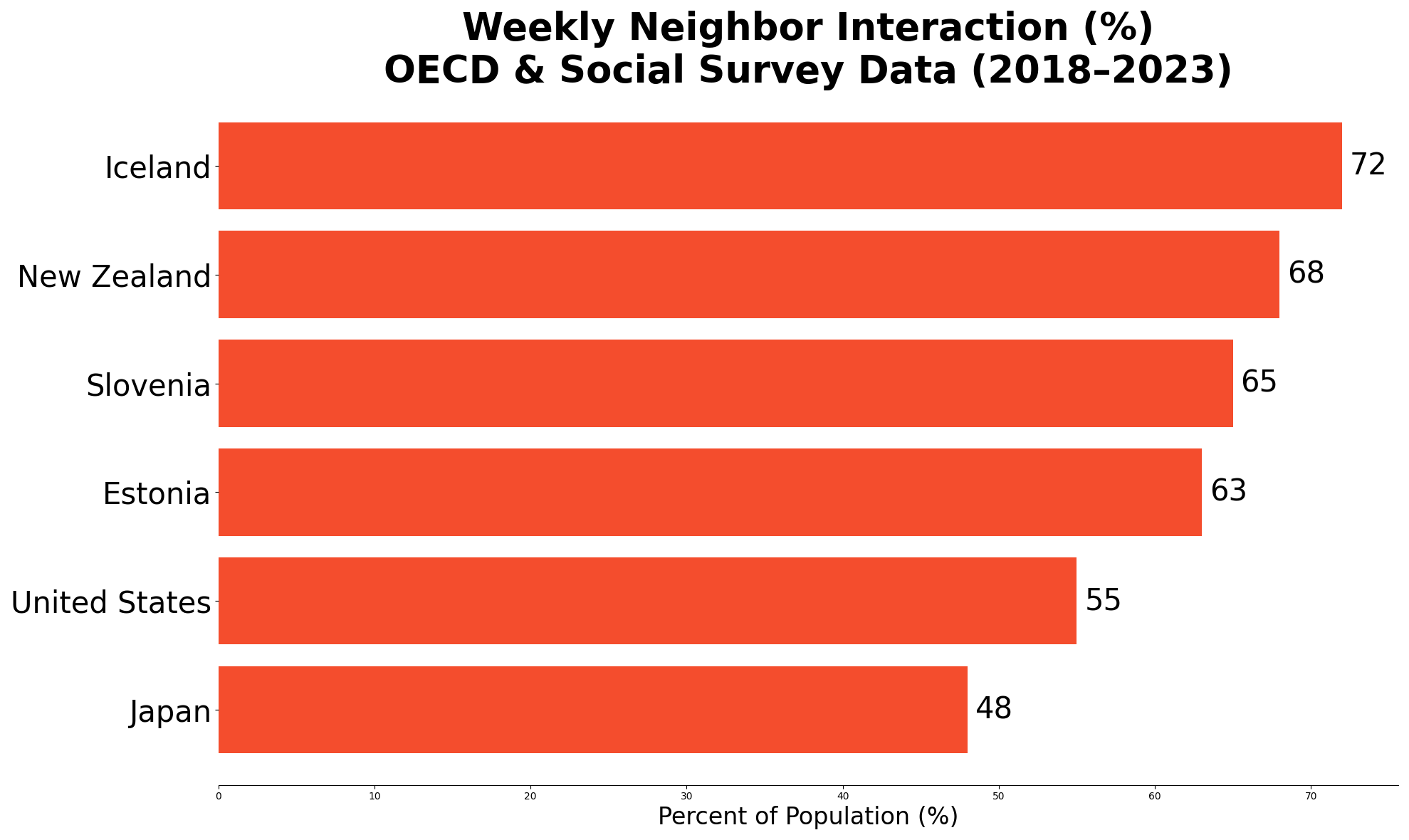
Sometimes, size is the secret to connection.
🇳🇿 New Zealand fosters close-knit communities where social circles often overlap across work, family, and recreation.
🇮🇸 Iceland’s small population creates a unique dynamic—most people are connected through just a few degrees of separation.
🇸🇮 Slovenia combines village traditions with modern living, preserving strong local bonds.
Putting It Into Perspective: Smaller populations naturally encourage repeated interaction—the key ingredient for lasting friendship.
🔎 Fascinating fact: In Iceland, it’s common to check a database to ensure you’re not distantly related before dating—illustrating just how interconnected society is.
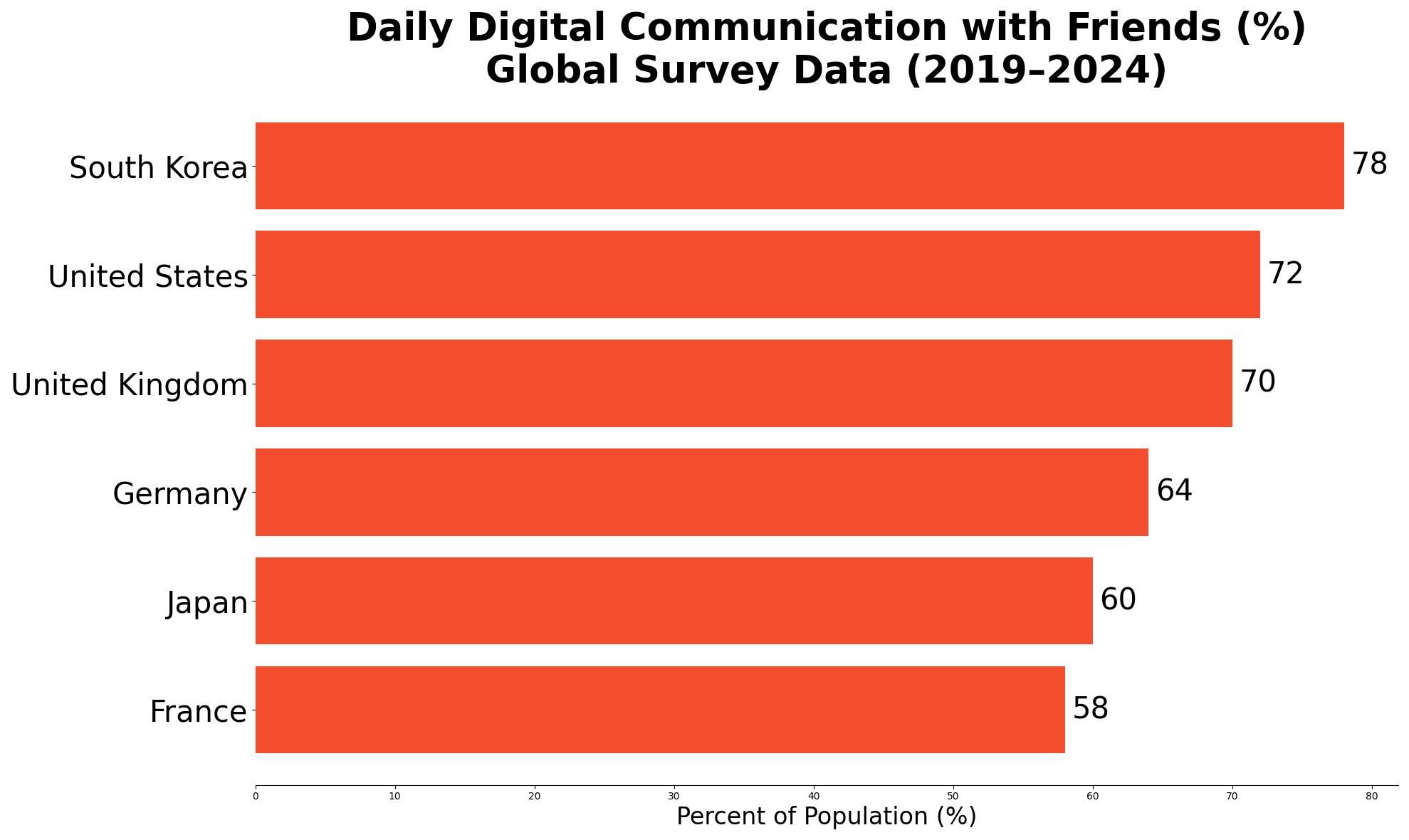
As technology reshapes how we connect, the nature of friendship is evolving.
🌐 Digital networks allow us to maintain relationships across borders—but often lack depth.
🏡 Remote work is reducing mobility, potentially strengthening local friendships again.
👥 Hybrid social lives—part online, part offline—are becoming the norm worldwide.
Putting It Into Perspective: The future may belong to those who balance global connectivity with local presence.
🔎 Forward-looking insight: Studies suggest that face-to-face interaction is still 3x more effective at building lasting emotional bonds than digital communication alone.
Friendship is more than a personal matter—it’s a societal asset. The nations where relationships endure tend to be healthier, happier, and more resilient in times of change.
As you consider where to spend your time, energy, or even your next chapter, it’s worth asking: Will I find connection there—or just convenience?
The answer may shape more than your social life—it may shape your future.
Warm regards,
Shane Fulmer
Founder, WorldPopulationReview.com
P.S. Want to sponsor this newsletter? Reach 144,000+ global-minded readers — click here!