- World Population Review Newsletter
- Posts
- Where Luxury Sells Most Per Person Worldwide
Where Luxury Sells Most Per Person Worldwide
How wealth, culture, and tourism shape global luxury spending.

Philip Saparov
March 17, 2026
Sponsored by

Greetings, curious observer of global habits!
Luxury goods are more than indulgences—they’re signals. From Swiss watches to designer fashion, where luxury sells best often reveals how wealth, status, and aspiration shape a society.
But the biggest markets aren’t always the most revealing. When measured per person, a different map appears—one defined by concentrated wealth, cultural attitudes toward prestige, and global shopping hubs.
In this edition, we explore seven places where luxury spending runs especially deep—and what those patterns say about the modern economy.
Let’s step inside the world’s most luxurious markets.
Is Your Retirement Plan Built to Last?

Most people saving for retirement have a number in mind. Fewer have a plan for turning that number into actual income.
The Definitive Guide to Retirement Income walks you through the questions that matter: what things will cost, where the money comes from, and how to keep your portfolio aligned with your long-term goals.
If you have $1,000,000 or more saved, download your free guide and start building a retirement income plan that holds up.
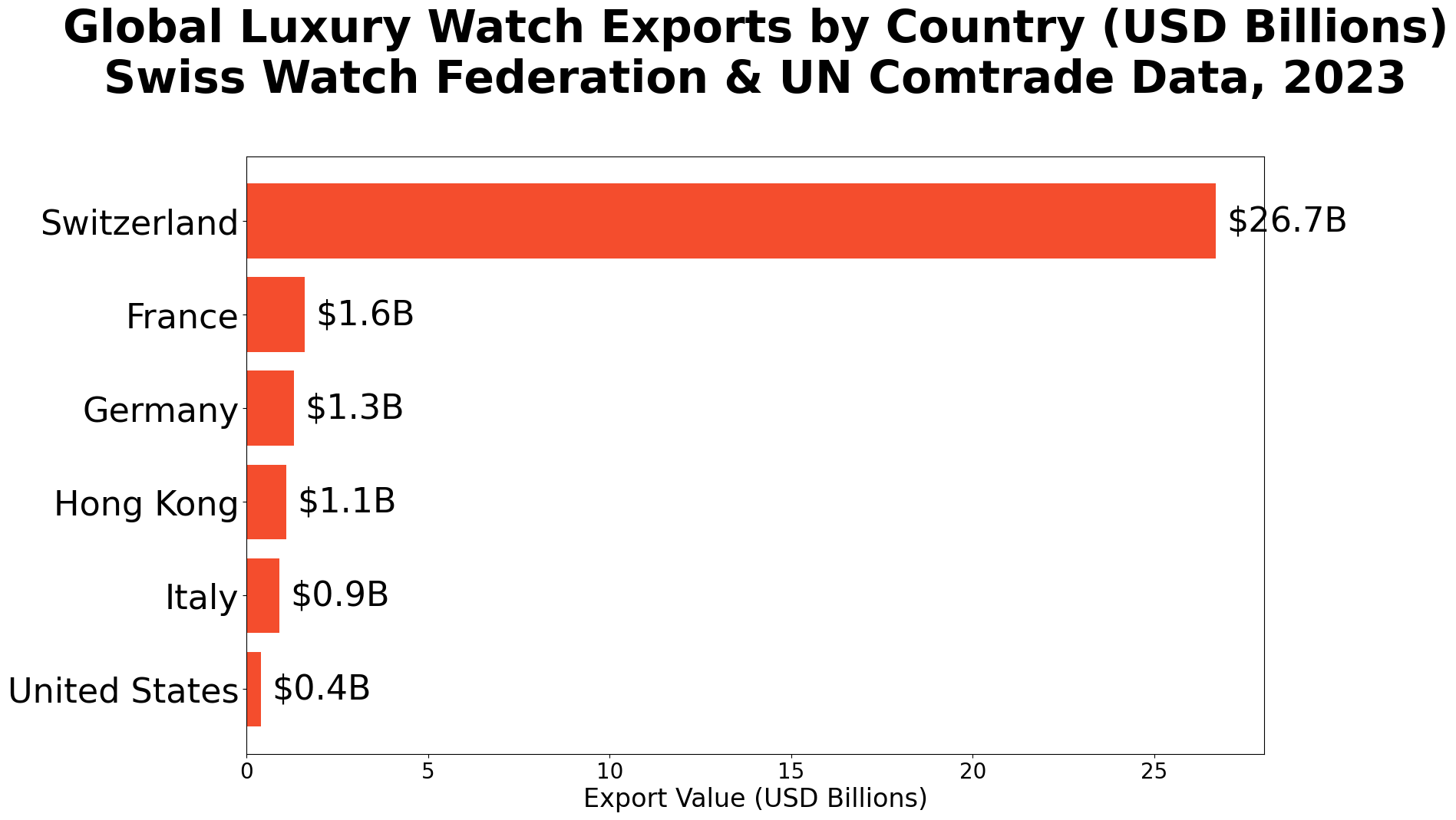
Few countries embody luxury quite like Switzerland. Known for meticulous craftsmanship and quiet affluence, it consistently ranks among the world’s highest luxury spending markets per person.
Three sectors dominate:
🇨🇭 Swiss Watches – Brands like Rolex, Patek Philippe, and Audemars Piguet form the backbone of the global luxury watch industry.
🇨🇭 Luxury Jewelry – Swiss residents and tourists alike purchase high-end jewelry at remarkable rates.
🇨🇭 Premium Fashion – High-income consumers support thriving boutiques in Zurich and Geneva.
Switzerland’s wealth profile helps explain the demand. The country has one of the highest median wealth levels per adult on Earth, creating a large base of consumers capable of sustaining premium markets.
Putting it in perspective: Switzerland exports over $25 billion worth of watches annually, making timepieces one of the country’s most recognizable global symbols.
Singapore has quietly become one of the world’s most concentrated luxury markets. Despite its small population, the city-state consistently ranks among the top countries for luxury spending per person.
Three forces drive the market:
🇸🇬 Regional Wealth Hub – High-net-worth individuals from across Southeast Asia shop in Singapore.
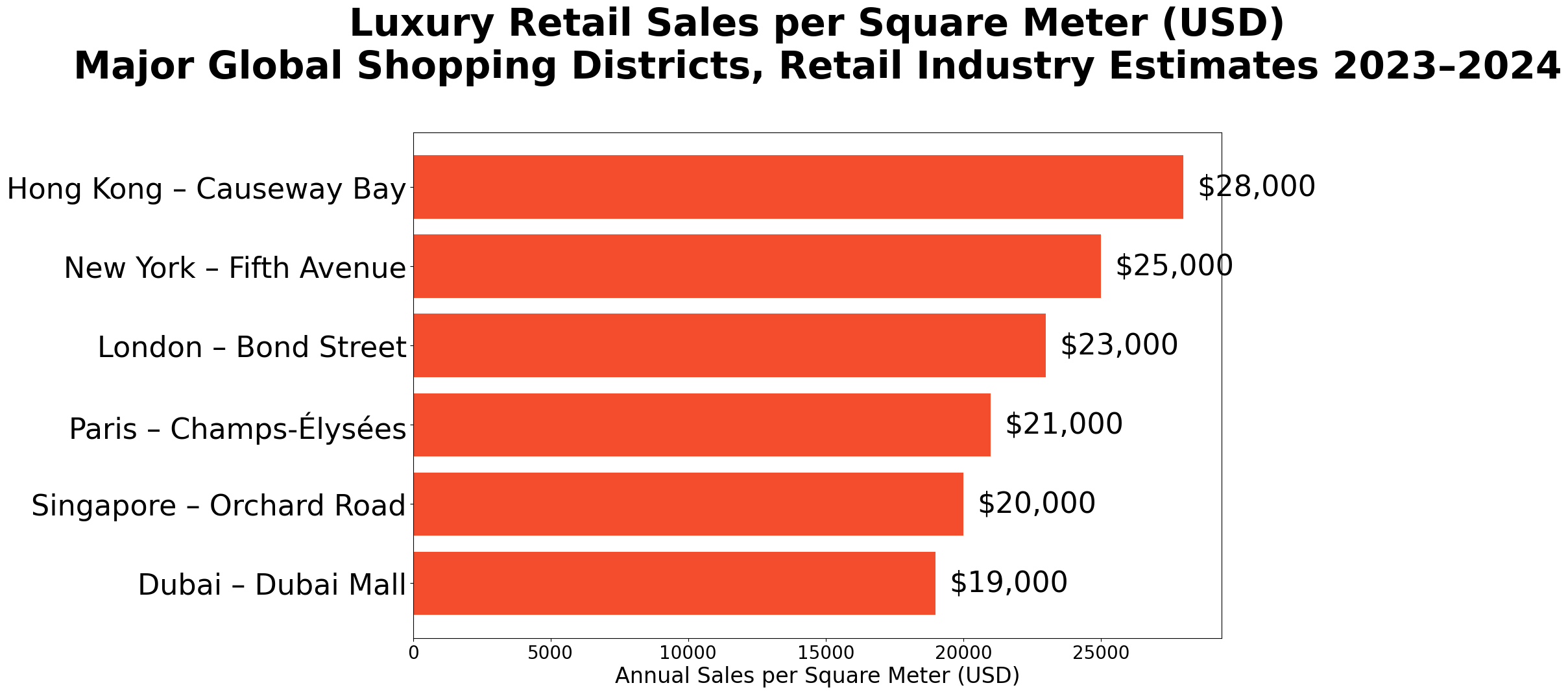
🇸🇬 Luxury Retail Clusters – Orchard Road and Marina Bay Sands host some of the densest luxury retail zones in the world.
🇸🇬 Tax and Trade Advantages – Low tariffs and efficient logistics make luxury goods widely accessible.
Singapore’s position as a financial hub amplifies its role. International business elites frequently pass through the city, boosting demand for high-end fashion, watches, and jewelry.
Remarkably, Marina Bay Sands generates some of the highest retail sales per square meter globally, rivaling the world’s most famous shopping districts.
The United Arab Emirates has transformed luxury consumption into part of its national identity. In cities like Dubai and Abu Dhabi, luxury retail is not merely commerce—it is spectacle.
Three sectors dominate the landscape:
🇦🇪 Luxury Fashion – Flagship stores from nearly every major European brand line Dubai’s malls.
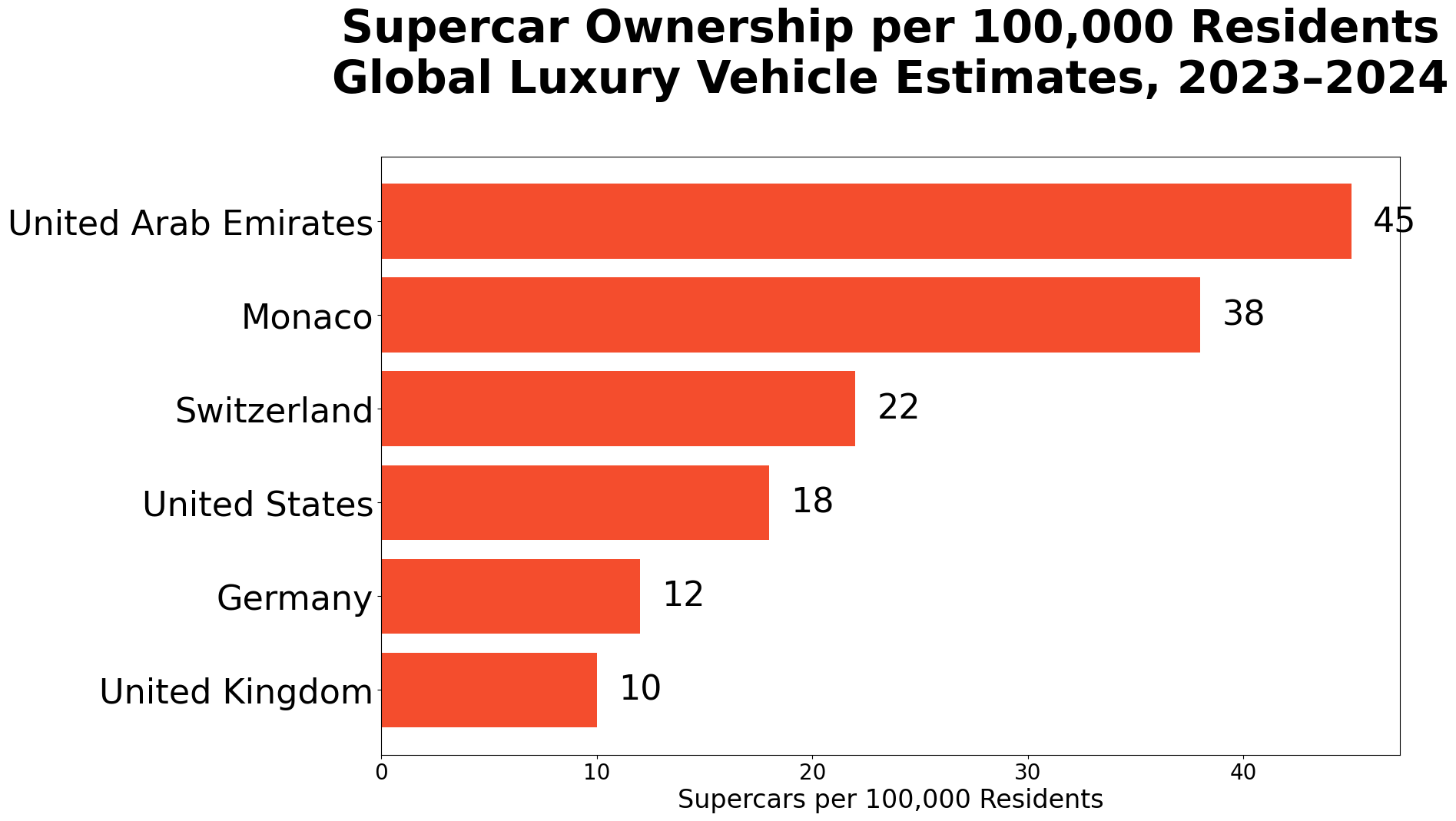
🇦🇪 High-End Automobiles – Lamborghini, Ferrari, and Rolls-Royce ownership rates are among the world’s highest.
🇦🇪 Gold and Jewelry – Dubai’s famous Gold Souk attracts both residents and international buyers.
Tourism plays a major role. Millions of affluent visitors pass through the UAE each year, creating a global crossroads of luxury consumption.
One remarkable detail: Dubai Mall is the most visited retail destination on Earth, welcoming more than 100 million visitors annually.
Different by design.

There’s a moment when you open the news and it already feels like work. That’s not how staying informed should feel.
Morning Brew keeps millions of readers hooked by turning the most important business, tech, and finance stories into smart, quick reads that actually hold your attention. No endless walls of text. No jargon. Just snappy, informative writing that leaves you wanting more.
Each edition is designed to fit into your mornings without slowing you down. That’s why people don’t just open it — they finish it. And finally enjoy reading the news.
Monaco represents luxury consumption in its most concentrated form. With fewer than 40,000 residents, the tiny principality nonetheless ranks among the world’s most intense luxury markets per capita.
Three forces shape its spending patterns:
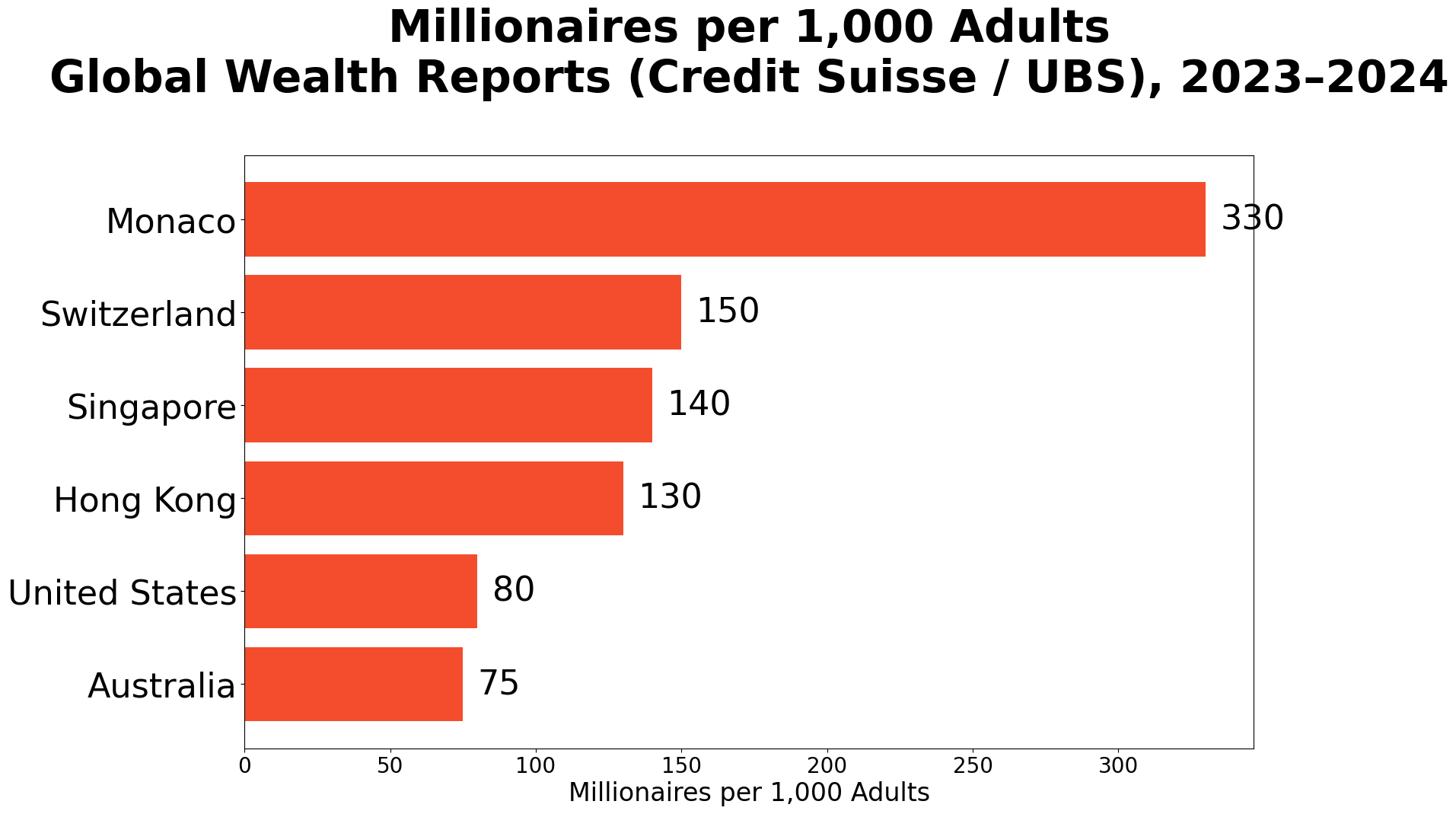
🇲🇨 Ultra-High Net Worth Residents – Monaco hosts one of the highest concentrations of millionaires anywhere.
🇲🇨 Luxury Real Estate – Property prices routinely exceed $50,000 per square meter.
🇲🇨 Prestige Events – The Monaco Grand Prix and yacht shows attract the global elite.
Because Monaco levies no personal income tax, it has become a magnet for global wealth—particularly from Europe.
The result is extraordinary purchasing power concentrated in a small population.
A striking statistic: roughly one in three residents of Monaco is a millionaire, making it the wealthiest community on Earth by density of wealth.
South Korea has become one of the fastest-growing luxury markets in the world. Unlike some countries where luxury consumption is concentrated among elites, South Korea’s demand cuts across a broader share of society.
Three forces explain the phenomenon:
🇰🇷 Status Culture – Designer goods often serve as visible signals of success and social standing.
🇰🇷 Beauty and Fashion Industries – Seoul’s trendsetting influence fuels demand for global luxury brands.
🇰🇷 Youth Consumption – Younger consumers purchase luxury items earlier in life than in many Western countries.
Luxury brands have noticed. Nearly every major fashion house now treats Seoul as a key Asian market.
One surprising statistic: South Koreans became the world’s largest per-capita buyers of luxury goods in 2022, according to industry research by Morgan Stanley.
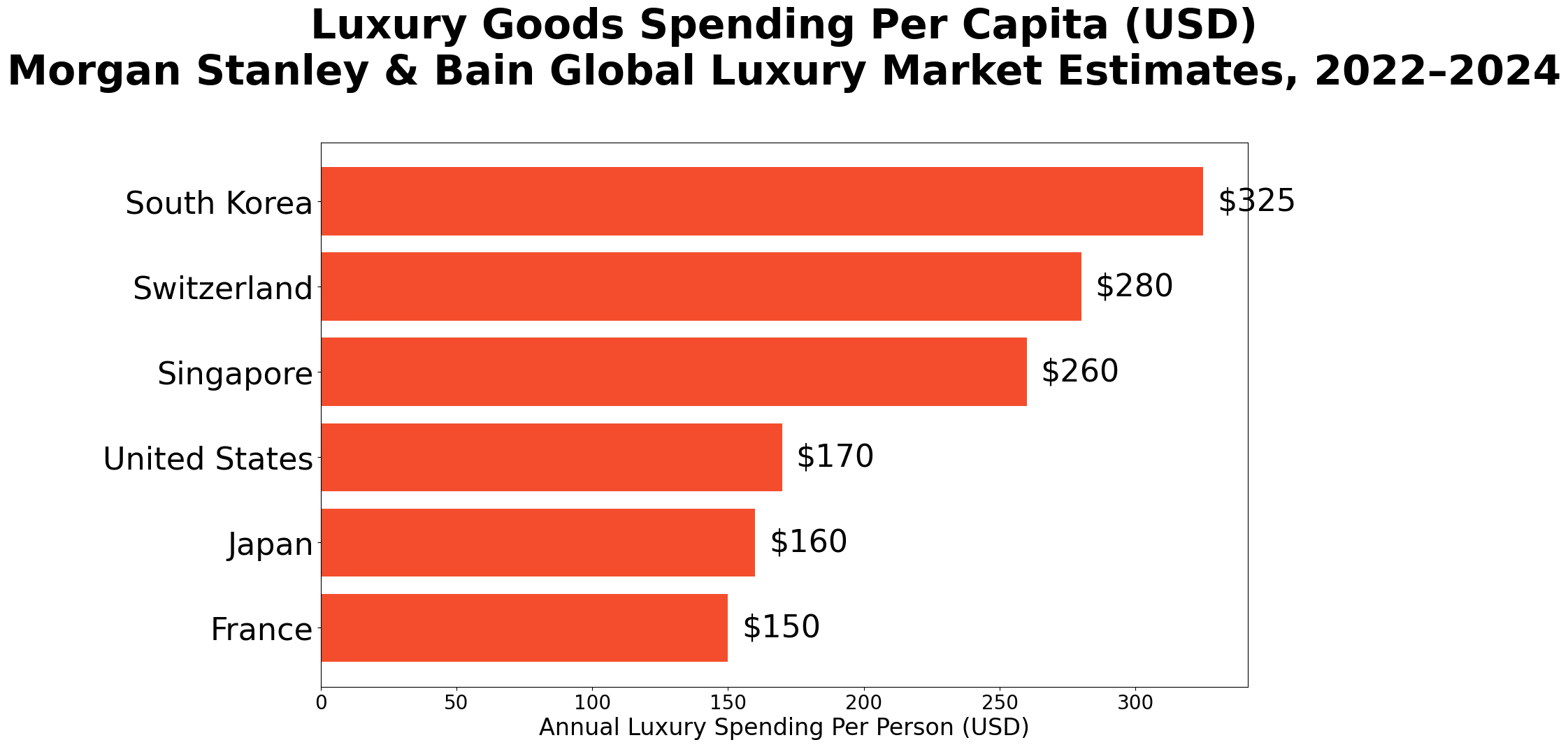
The United States remains the largest luxury market in the world in absolute terms. But even on a per-capita basis, American consumers rank among the most active buyers of premium goods.
Three sectors stand out:
🇺🇸 Designer Fashion – New York, Los Angeles, and Miami anchor major luxury shopping districts.
🇺🇸 Luxury Automobiles – The U.S. consistently ranks among the top markets for high-end vehicles.
🇺🇸 Luxury Real Estate and Lifestyle Goods – Premium home design, watches, and jewelry are booming sectors.
A unique feature of the U.S. market is geographic spread. Luxury consumption is no longer confined to coastal cities—wealth growth across the Sun Belt has expanded the customer base.
Consider this: the United States accounts for roughly one-third of global luxury goods sales, making it the single most important market for many high-end brands.
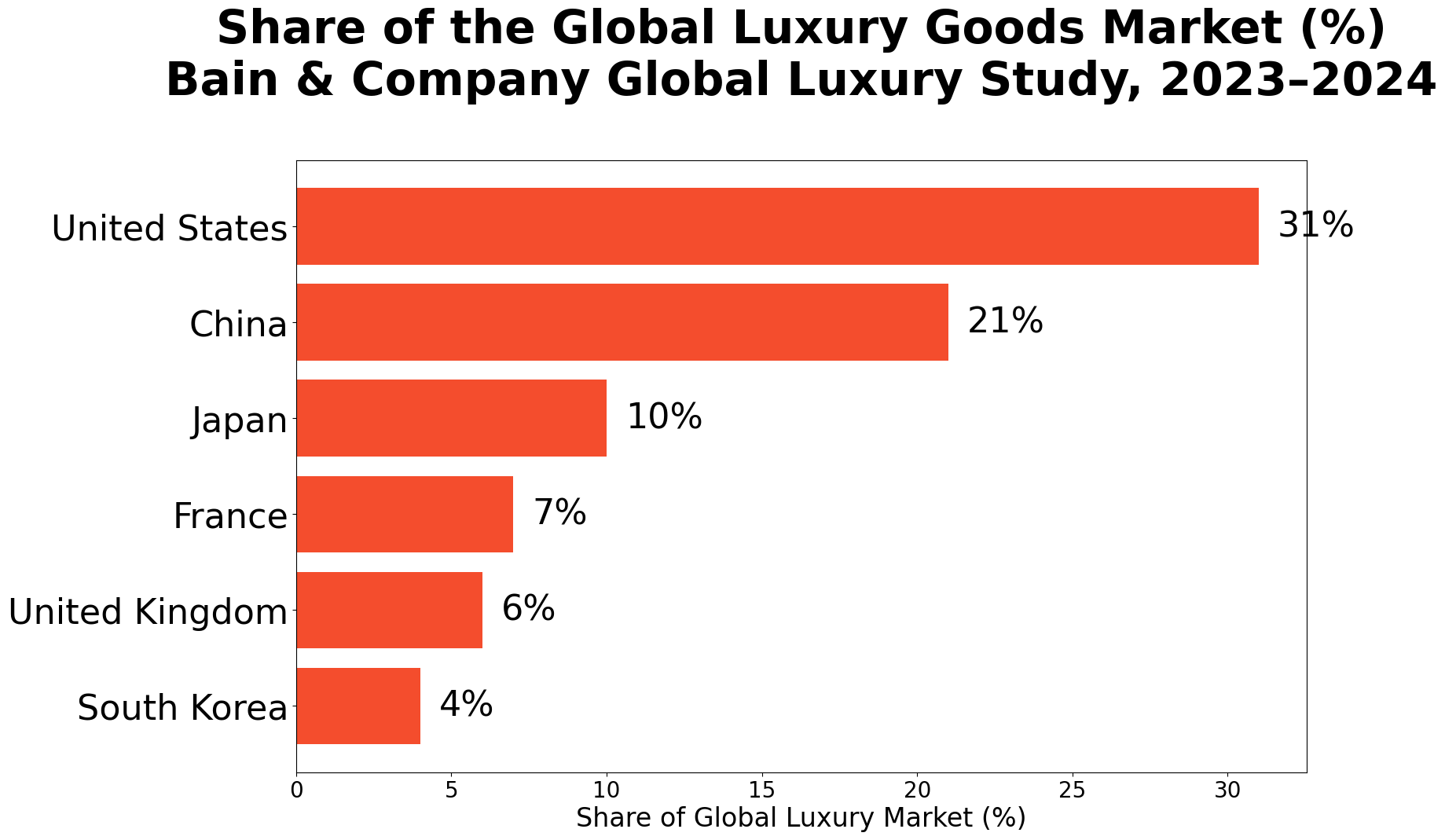
China has rapidly become the defining force in global luxury markets. Even as the country navigates economic shifts, Chinese consumers remain essential to the industry.
Three dynamics dominate:
🇨🇳 Rising Middle and Upper Classes – Hundreds of millions have entered income brackets capable of supporting luxury spending.
🇨🇳 Domestic Retail Expansion – Cities like Shanghai and Shenzhen now rival traditional luxury capitals.
🇨🇳 Digital Luxury Commerce – Chinese consumers increasingly purchase premium goods through online platforms.
Before the pandemic, Chinese buyers accounted for an extraordinary share of global demand.
Even today, analysts estimate Chinese consumers represent roughly one-third of worldwide luxury spending, whether purchases occur domestically or abroad.
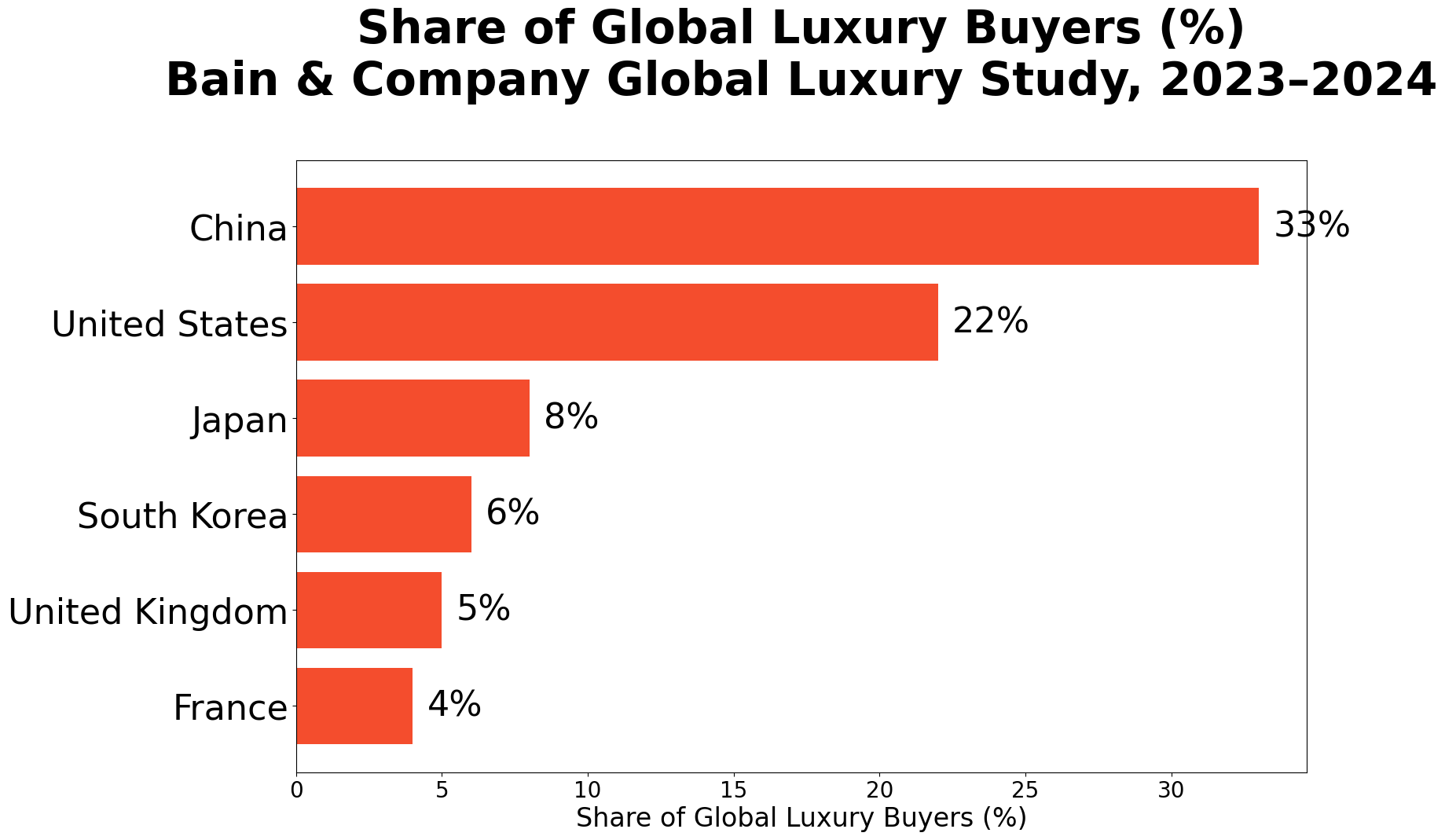
Beneath the glittering storefronts of luxury markets lies a deeper story. The places where luxury sells best often reveal how societies distribute wealth, signal status, and express identity.
From the quiet affluence of Switzerland to the spectacle of Dubai and the rising power of Asian consumers, luxury consumption offers a unique lens into the global economy.
Stay curious. Sometimes the most revealing economic data is found in the shop window.
Warm regards,
Shane Fulmer
Founder, WorldPopulationReview.com
P.S. Want to sponsor this newsletter? Reach 141,000+ global-minded readers — click here!