- World Population Review Newsletter
- Posts
- Where Names Are Changing Fastest Worldwide
Where Names Are Changing Fastest Worldwide
How migration, culture, and technology reshape identity worldwide.

Philip Saparov
March 15, 2026
Sponsored by

Greetings, inquisitive mind of global patterns!
What’s in a name? More than you might think. Around the world, the names people give their children—or choose for themselves—are changing at remarkable speed. Migration, digital culture, and shifting traditions are quietly reshaping how identity is expressed.
Look closely, and naming trends reveal something deeper: where cultures are blending, where heritage is being rediscovered, and how people see themselves in a rapidly globalizing world.
Today we explore where names are changing fastest—and what those shifts reveal about the future of identity.
Are You Ready to Actually Retire?

Knowing when to retire is harder than knowing how much to save. The timing depends on what your retirement actually looks like: how long your money needs to last, what you'll spend, and where your income comes from.
When to Retire: A Quick and Easy Planning Guide is built for investors with $1,000,000 or more who are ready to move from saving to planning. Download your free guide and start working through the details.
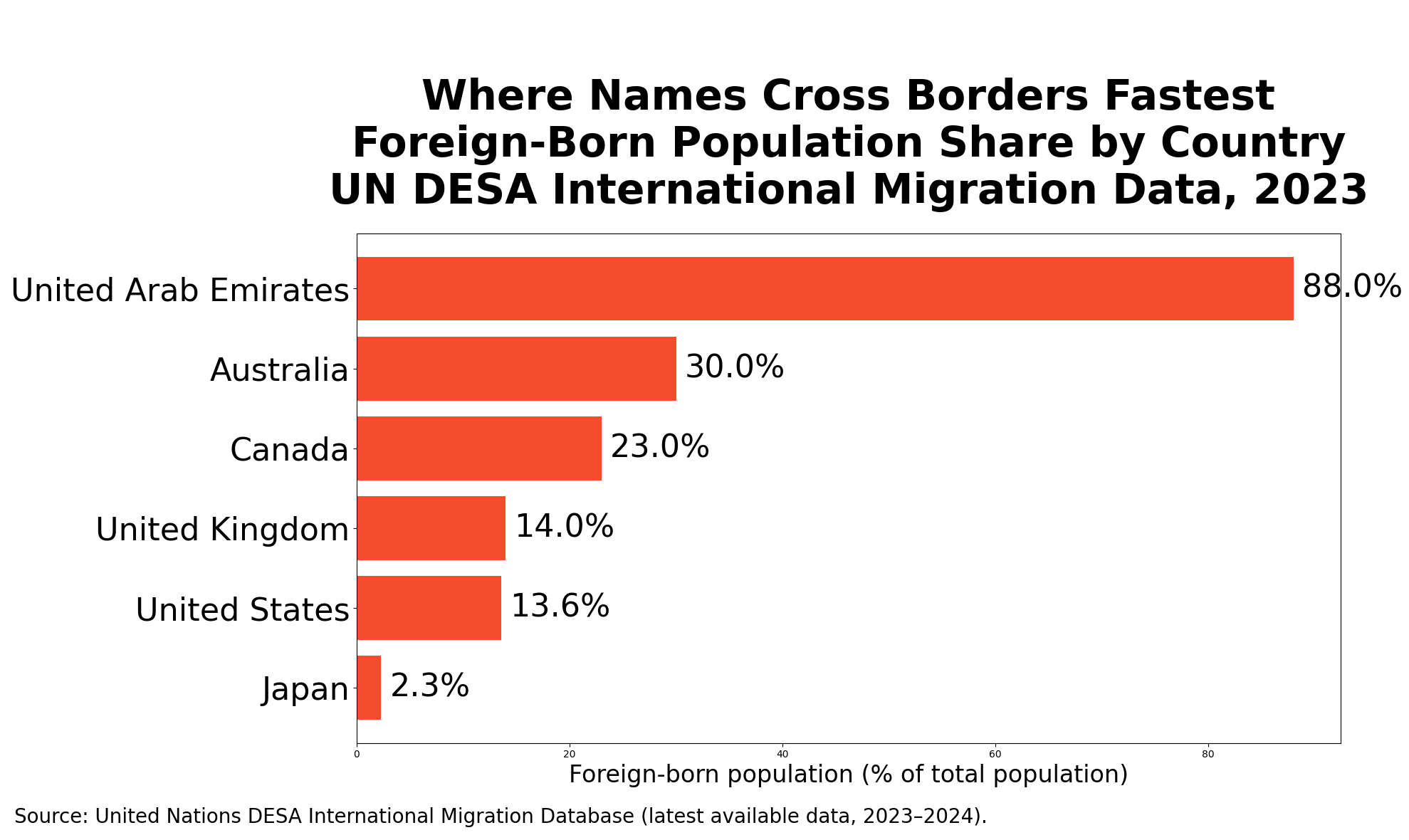
For centuries, names were deeply local. Today, globalization is dissolving those boundaries.
Three countries illustrate this transformation particularly well.
🇺🇸 United States
American naming patterns increasingly blend cultures. Names like Liam, Mateo, and Aaliyah reflect Irish, Spanish, and Arabic influences—evidence of immigration shaping the national identity.
🇦🇪 United Arab Emirates
In cities like Dubai and Abu Dhabi, expatriates make up nearly 90% of the population. This has created one of the most internationally diverse naming landscapes on Earth.
🇬🇧 United Kingdom
British birth records now include names from over 100 linguistic origins—reflecting decades of migration and multicultural integration.
A revealing statistic: In London primary schools today, fewer than 40% of children have traditionally English names—a remarkable cultural shift within a single generation.
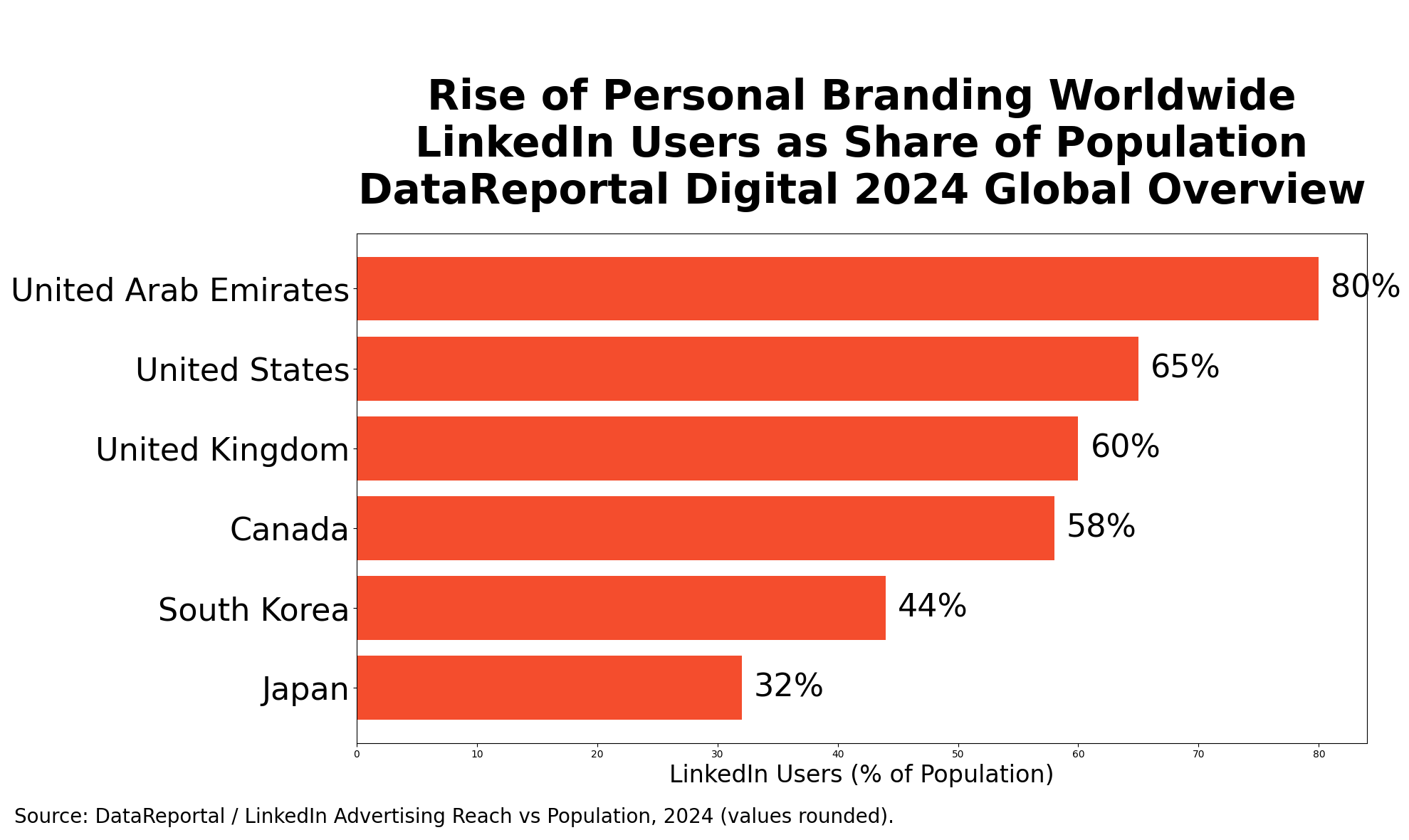
In the digital age, a name is more than identity—it’s personal branding.
Countries with strong entrepreneurial and online cultures are seeing rapid shifts in naming practices.
🇰🇷 South Korea
Many young professionals adopt English names to improve international business communication and digital visibility.
🇳🇬 Nigeria
Entrepreneurs frequently combine traditional and Western names to appeal to both local and global markets.
🇺🇸 United States
Artists, influencers, and tech founders often create unique spellings or entirely new names designed to stand out online.
The logic is simple: search engines reward uniqueness.
A curious reality: In some industries, particularly entertainment and technology, professionals now deliberately check domain availability before choosing stage names.
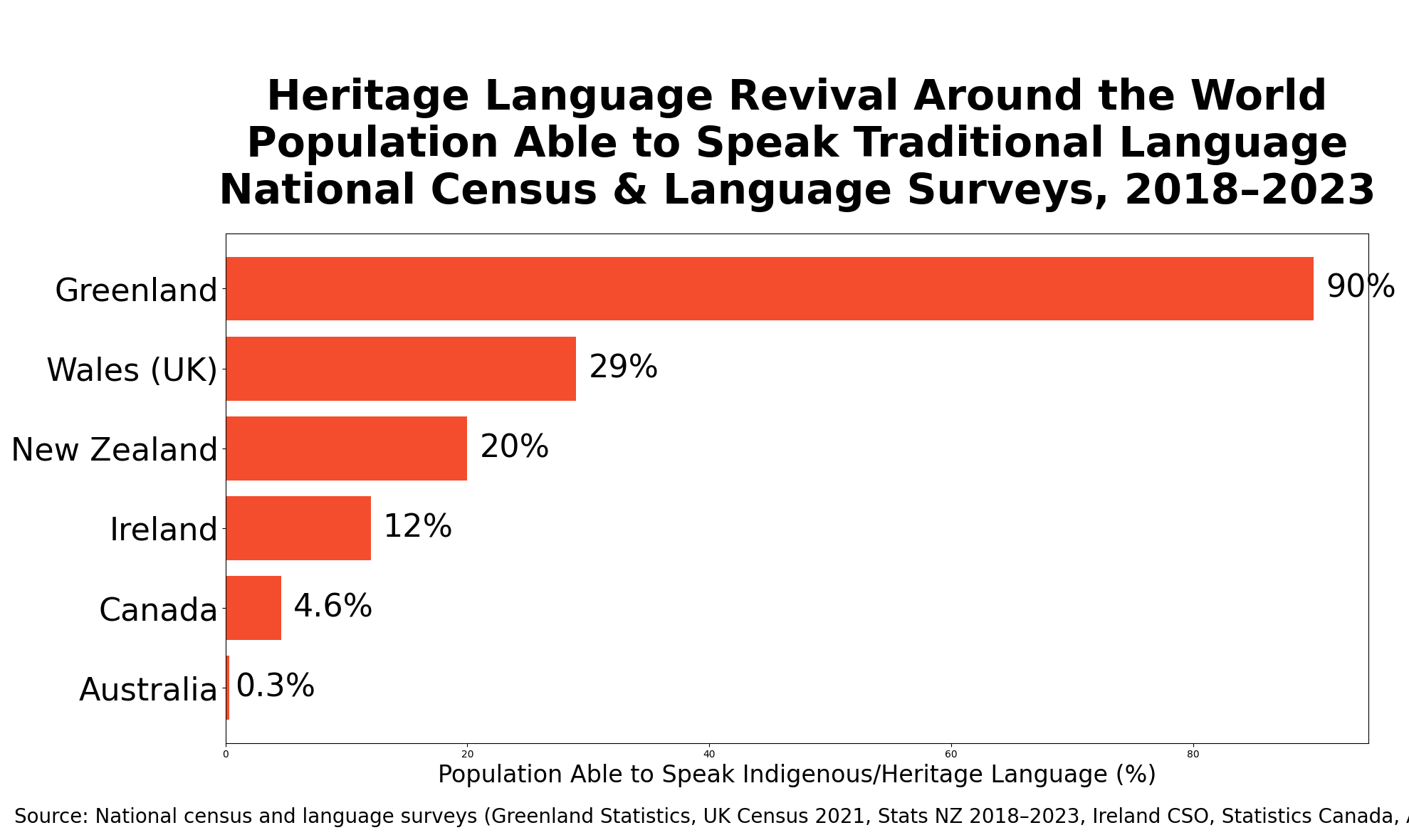
While globalization pushes names outward, another force is pulling them back toward tradition.
Across the world, people are reviving ancestral names tied to language and heritage.
🇮🇪 Ireland
Traditional Gaelic names like Aoife, Cillian, and Niamh have surged as cultural pride grows.
🇳🇿 New Zealand
Māori names such as Aroha and Tāne are increasingly common, reflecting a national effort to preserve indigenous identity.
🇮🇳 India
Many families are returning to Sanskrit-derived names connected to ancient texts and mythology.
These revivals often follow cultural turning points—language preservation, political movements, or renewed historical awareness.
A fascinating detail: Some revived names were nearly extinct just 30 years ago, surviving only in historical records before returning to modern birth certificates.
Learn how to code faster with AI in 5 mins a day

You're spending 40 hours a week writing code that AI could do in 10.
While you're grinding through pull requests, 200k+ engineers at OpenAI, Google & Meta are using AI to ship faster.
How?
The Code newsletter teaches them exactly which AI tools to use and how to use them.
Here's what you get:
AI coding techniques used by top engineers at top companies in just 5 mins a day
Tools and workflows that cut your coding time in half
Tech insights that keep you 6 months ahead
Sign up and get access to the Ultimate Claude code guide to ship 5X faster.
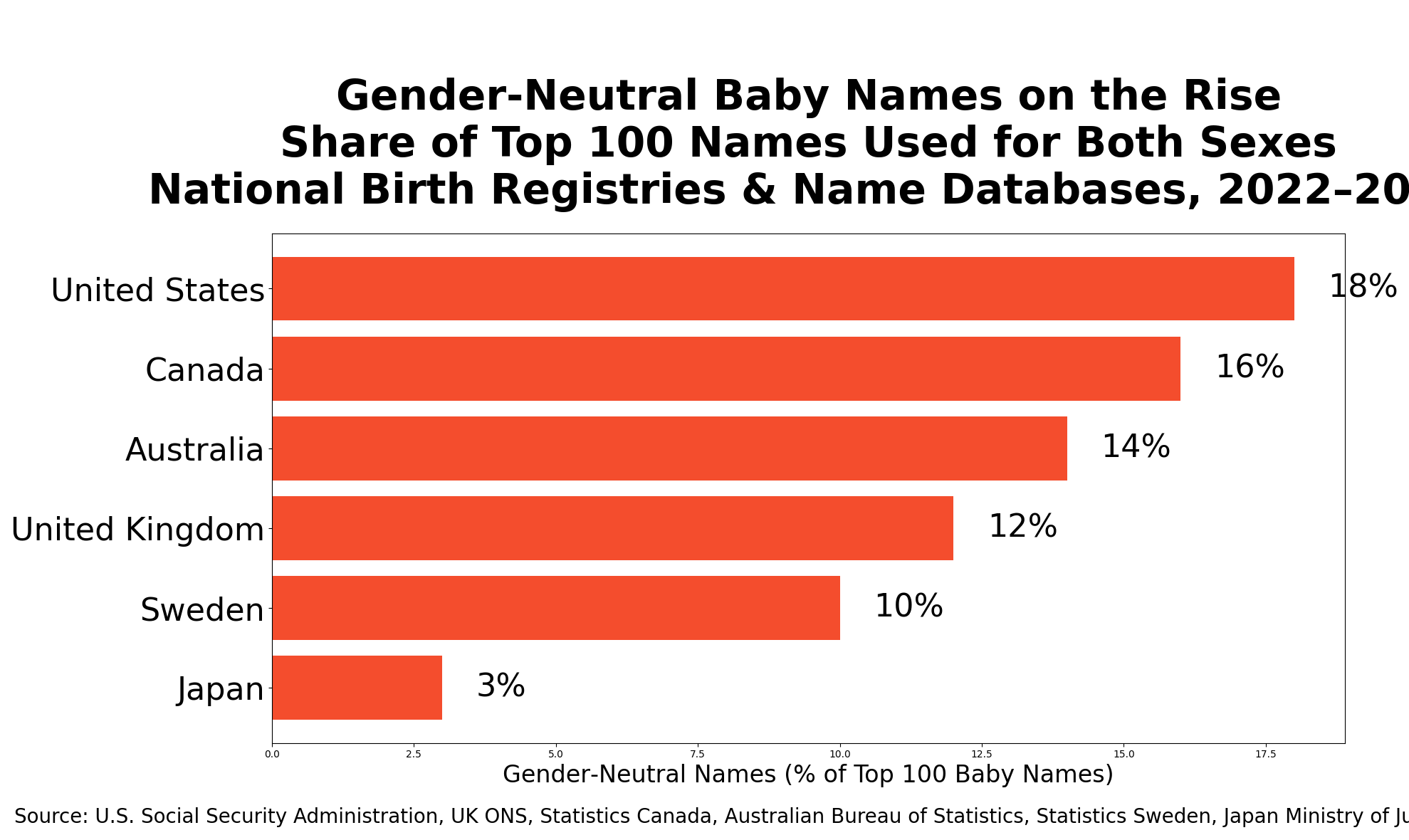
One of the fastest-growing naming trends worldwide is the rise of gender-neutral names.
This shift reflects newer and evolving attitudes toward identity and social roles.
Three countries show particularly strong momentum.
🇨🇦 Canada
Names like Jordan, Avery, and Rowan are increasingly used for both boys and girls.
🇸🇪 Sweden
Scandinavian societies—known for progressive social policies—have embraced neutral names like Noel and Kim.
🇦🇺 Australia
Australian parents increasingly choose names such as Charlie or Riley that allow children flexibility in identity expression.
Interestingly, many gender-neutral names originally began as male names before broadening.
A data point: In the U.S., the name Taylor shifted from 95% male in the 1960s to predominantly female today.
Migration doesn’t just move people—it blends naming traditions.
Hybrid names are becoming a powerful signal of multicultural identity.
🇨🇦 Canada
Children of immigrants often combine Western first names with traditional family surnames.
🇫🇷 France
Names blending Arabic and French influences—such as Adam, Yanis, or Inès—have become increasingly common.
🇧🇷 Brazil
Brazilian naming culture thrives on creative combinations, sometimes merging Portuguese names with international ones.
These hybrids allow families to balance integration and heritage.
An intriguing observation: In multicultural cities, entirely new naming patterns often emerge within two generations—creating identities unique to that place.
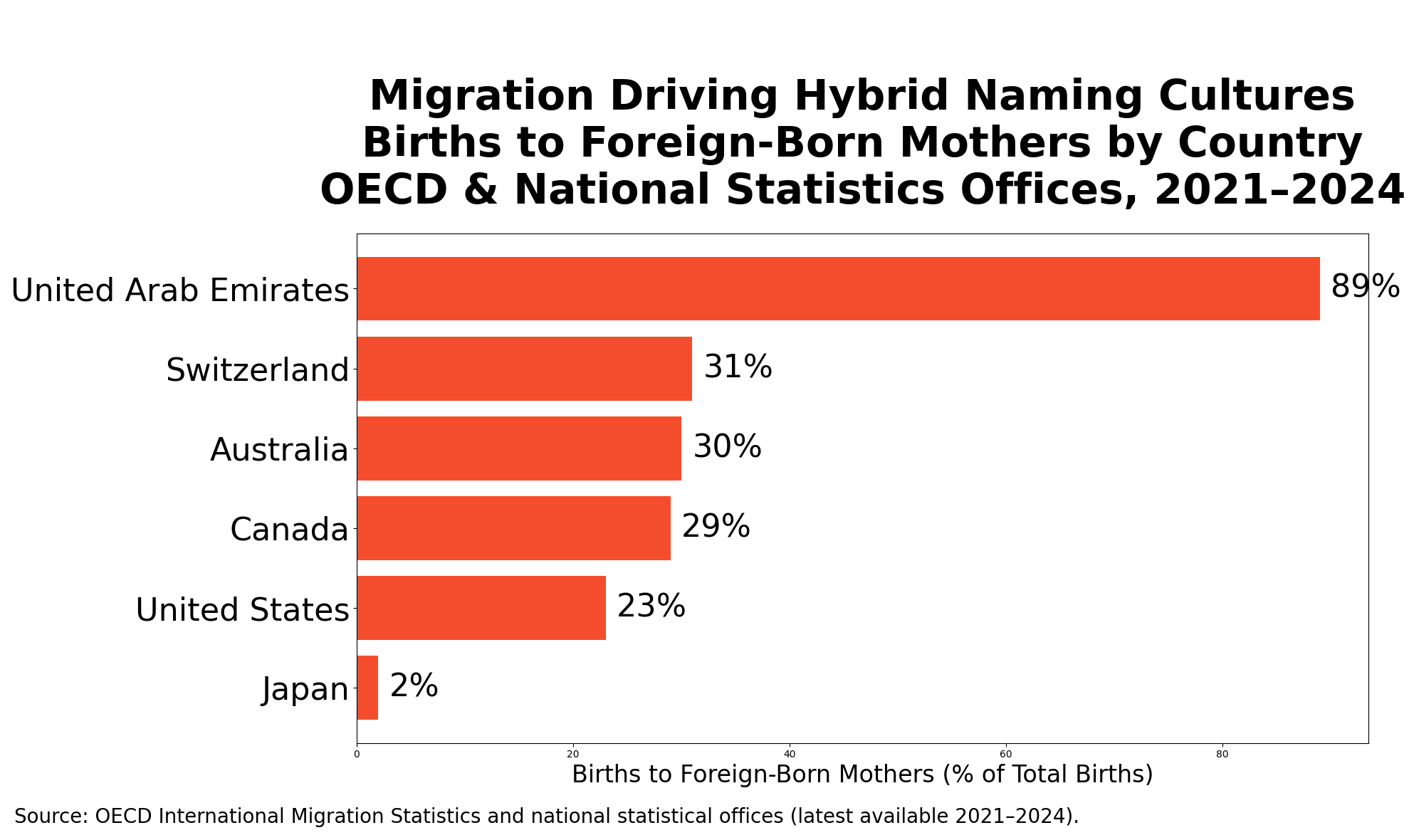
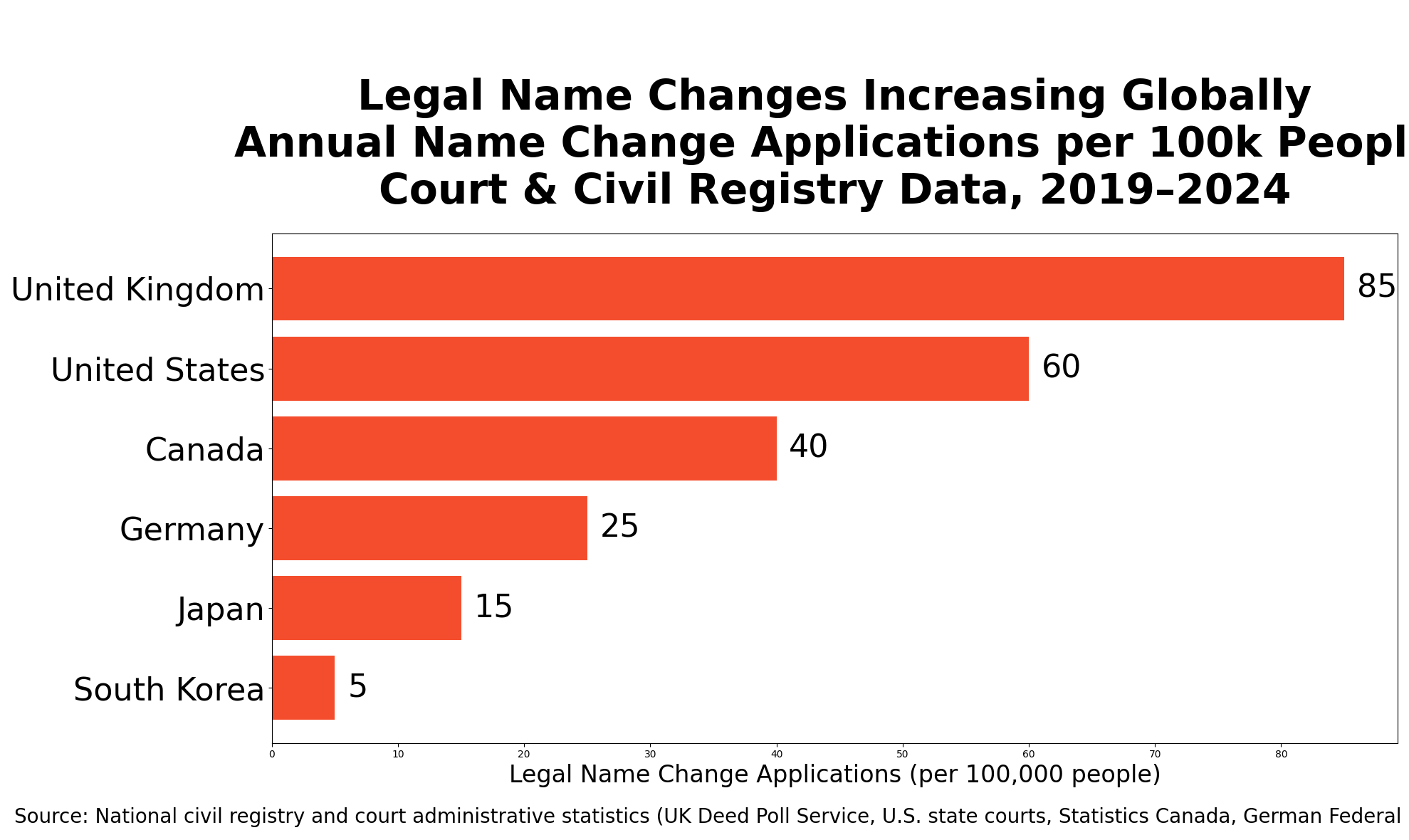
Beyond birth names, more adults than ever are changing their names.
Legal name changes are rising sharply in several regions.
🇩🇪 Germany
Applications for surname changes have increased as people seek easier international pronunciation.
🇯🇵 Japan
Professionals sometimes adopt simplified Romanized versions of their names for global business.
🇺🇸 United States
Many changes reflect marriage traditions evolving—or individuals reclaiming ancestral names.
Digital life is also a driver. People often want names that are easier to use online, across languages, or in professional branding.
One striking example: In some U.S. states, courts now process thousands of legal name changes each year unrelated to marriage or divorce.
Looking ahead, naming trends may accelerate even further.
Several forces are shaping the next generation of names.
Technology
Global communication encourages names that are easy to pronounce across languages.
Artificial Intelligence
Parents increasingly research name popularity, meaning, and uniqueness using data tools.
Cultural Blending
As migration continues, hybrid names will likely multiply.
Some futurists even predict entirely new naming systems emerging in digital communities.
A striking projection: By 2050, researchers expect many major cities to host naming patterns with no single cultural majority.
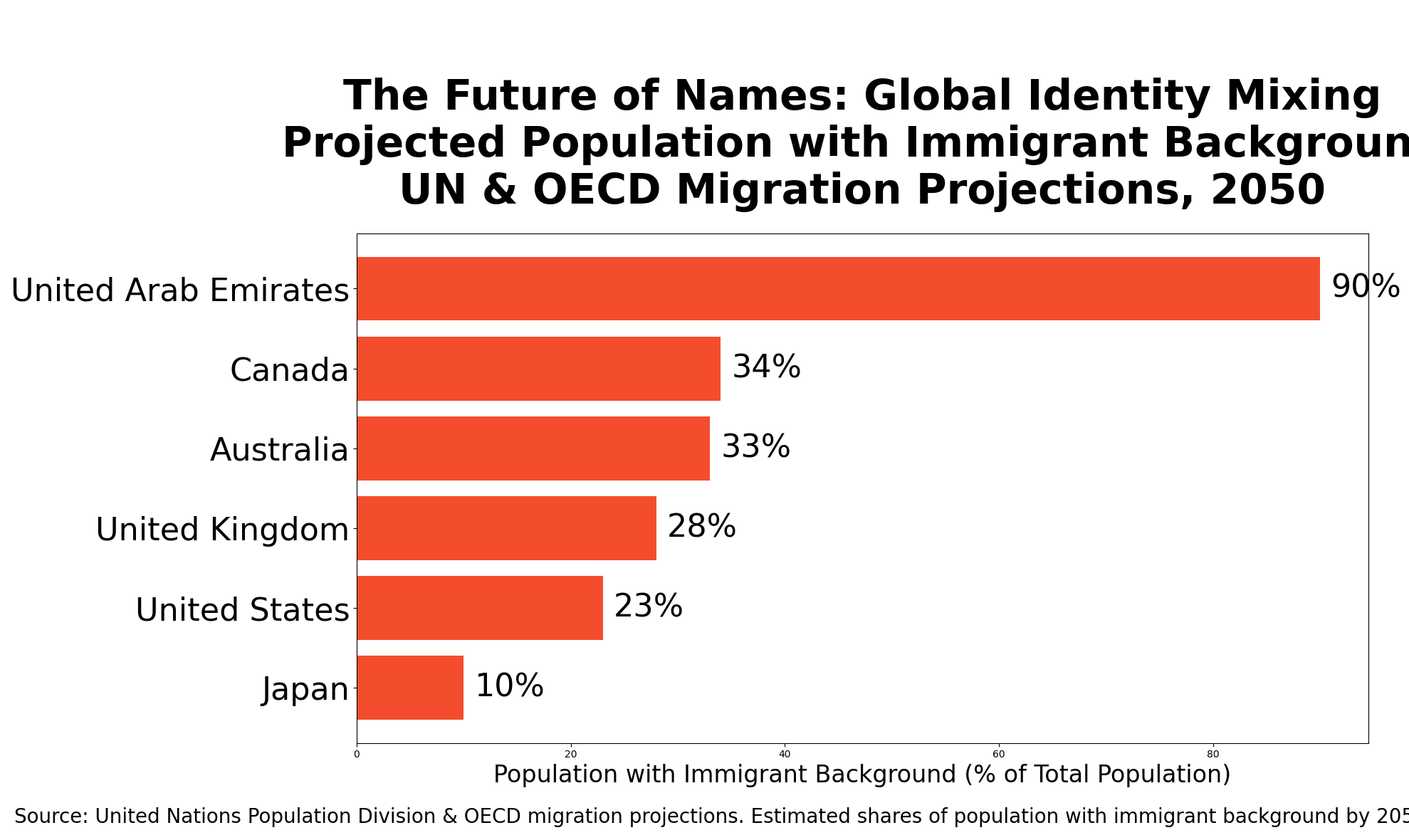
Names are signals. In their patterns, we can glimpse migration flows, cultural revival, technological influence, and changing ideas about identity.
Watch those patterns closely and you’ll see something larger unfolding: the quiet evolution of societies themselves.
In a world shifting faster every year, even small signals can reveal where cultures—and opportunities—may be heading next.
Stay curious. Sometimes the smallest details tell the biggest stories.
Warm regards,
Shane Fulmer
Founder, WorldPopulationReview.com
P.S. Want to sponsor this newsletter? Reach 140,000+ global-minded readers — click here!