- World Population Review Newsletter
- Posts
- Why Life Expectancy Gains Are Suddenly Slowing
Why Life Expectancy Gains Are Suddenly Slowing
What’s behind the slowdown—and what it means for your future.

Philip Saparov
May 07, 2026
In partnership with

Greetings, inquisitive mind of global trends!
People are living longer—but the gains are slowing.
After a century of steady progress, life expectancy is plateauing in many parts of the world. Are we hitting natural limits, or facing new challenges like chronic disease and aging populations?
In this edition, we explore where longevity is still rising—and where it’s starting to stall.
Let’s dive in…
Defense Spending Is Surging. Here's Where It's Going.

Global defense budgets are expanding, but the allocation has changed. A growing share of spending is going toward AI-enabled systems, satellite networks, and advanced aerospace, not the platforms that dominated the last generation of procurement. We identified five companies at the center of this reallocation in a single research brief. Inside, you'll find the investment case for each, the contracts driving revenue, and the risks worth understanding before you commit capital. If you want exposure to defense sector growth beyond the traditional mega-caps, this report is a practical starting point. Free, concise, and built for investors who want to move ahead of the crowd.
For decades, rising life expectancy was one of humanity’s clearest success stories. But globally, that upward curve is flattening.
🌍 Worldwide trends: Global life expectancy rose from ~52 years in 1960 to over 72 years today. But growth has slowed significantly since 2015.
🇺🇸 United States: After steady gains, life expectancy declined during the pandemic and has only partially recovered—hovering below pre-2020 levels.
🇬🇧 United Kingdom: Growth stalled even before COVID-19, with minimal improvement since the early 2010s.
What’s driving this slowdown? Aging populations, chronic diseases, and unequal healthcare access are major factors. Infectious disease control brought big early wins—but today’s challenges are harder to solve.
A striking reality: In many developed countries, over 80% of deaths now come from non-communicable diseases—meaning progress depends less on breakthroughs and more on long-term lifestyle and system changes.
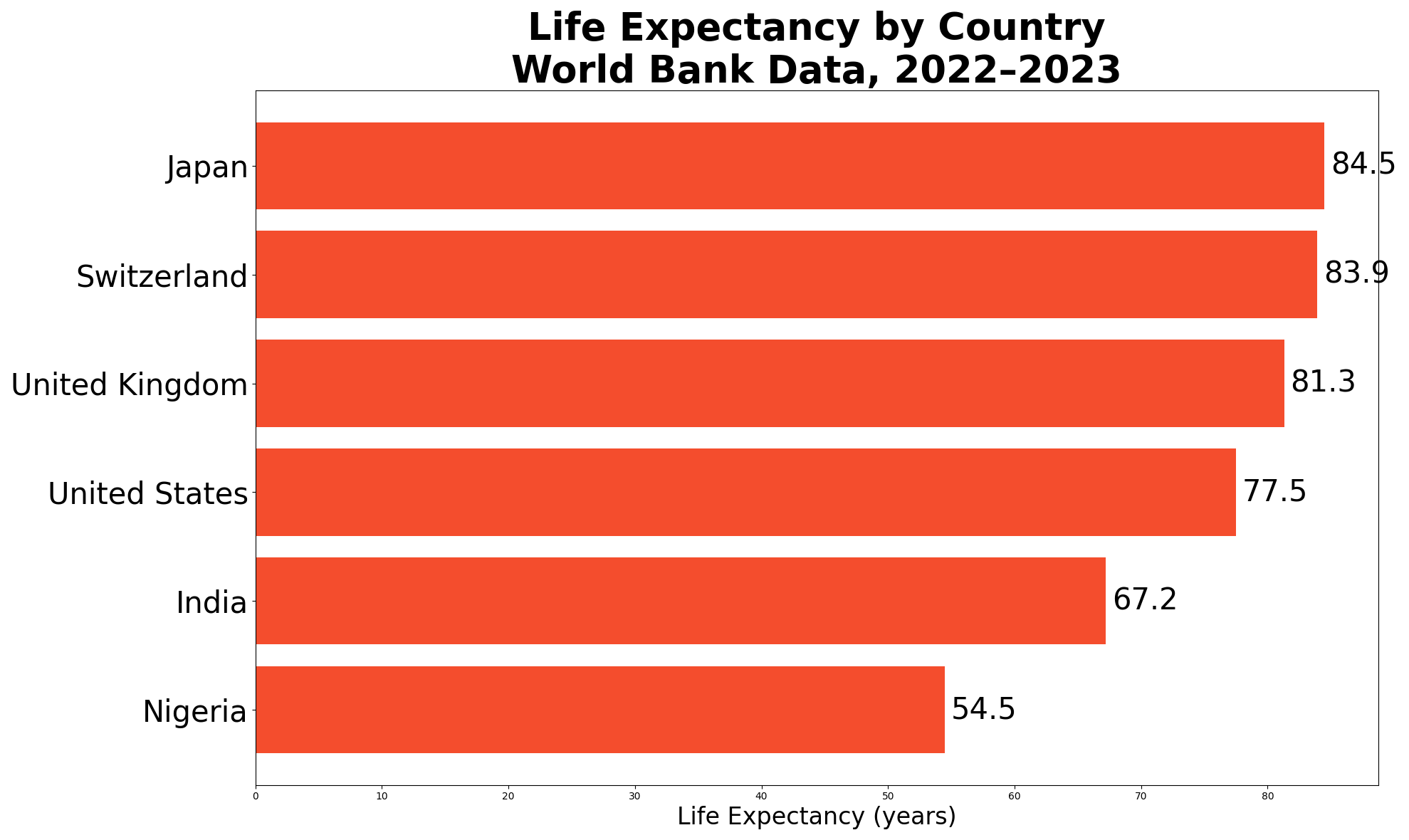
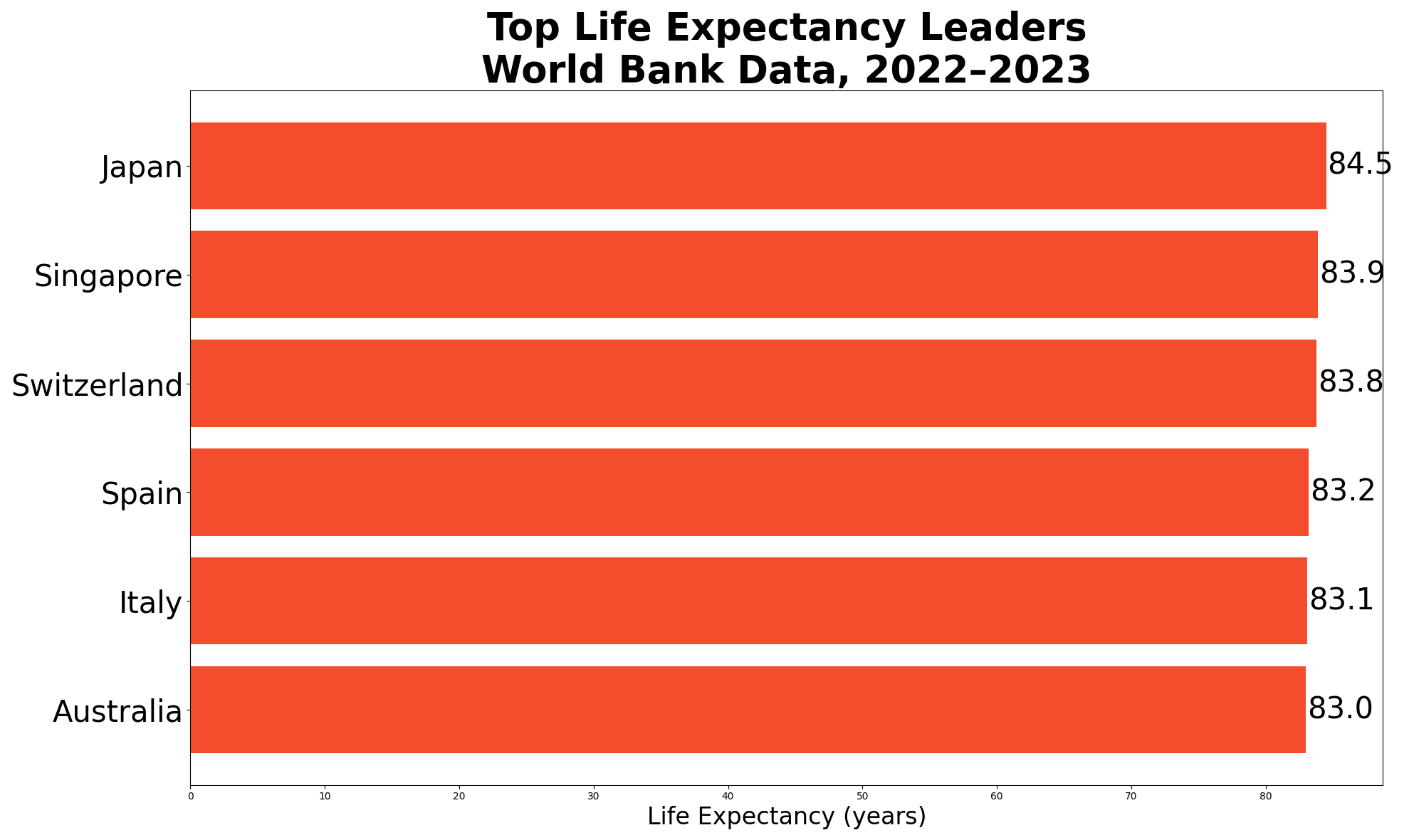
While many nations are plateauing, a few continue to push longevity forward—often through disciplined policy and culture.
🇯🇵 Japan: Still among the longest-lived nations, with life expectancy above 84 years. Diet, social cohesion, and preventive care play major roles.
🇨🇭 Switzerland: Combines high healthcare spending with strong public health systems and active lifestyles.
🇸🇬 Singapore: A standout performer—rapid gains driven by efficient healthcare, urban planning, and strict public health policies.
These countries share a pattern: they focus not just on treatment, but prevention—keeping people healthier for longer, not just alive longer.
Insight worth noting: Japan’s Okinawa region has five times as many centenarians per capita as the U.S.—and many remain active well into their 90s, suggesting quality of life is as important as lifespan.
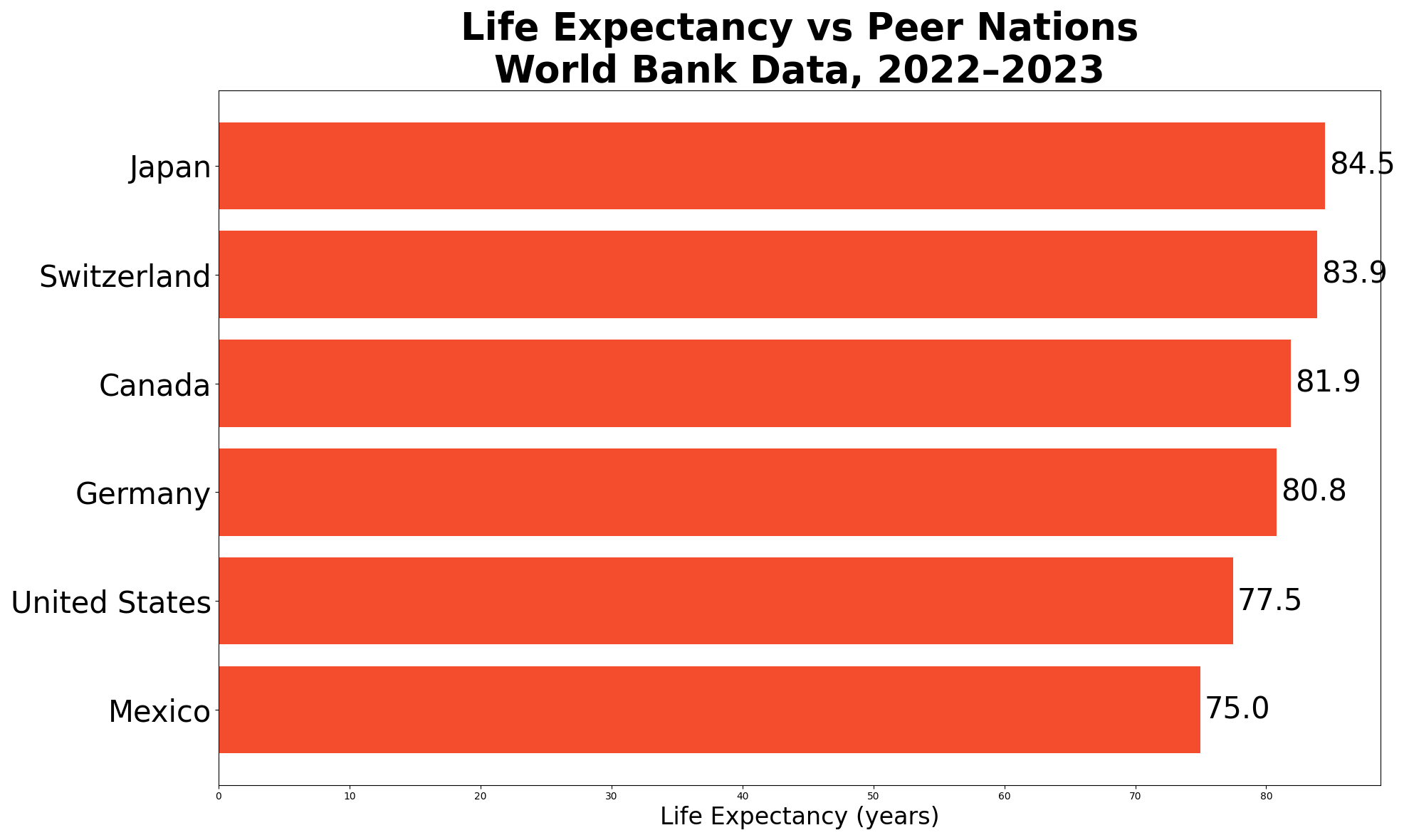
The United States presents a puzzling case: immense healthcare spending, yet lagging life expectancy.
💰 Spending: The U.S. spends nearly twice as much per capita on healthcare as other developed nations.
⚕️ Outcomes: Life expectancy remains lower than peers like Canada, Germany, and Japan.
📉 Trends: Declines driven by opioid overdoses, obesity, and cardiovascular disease.
This gap highlights a key issue: healthcare systems focused on treatment rather than prevention struggle to extend lifespan meaningfully. Social factors—income inequality, access, and lifestyle—play an outsized role.
A sobering statistic: U.S. life expectancy varies by more than 10 years between the highest- and lowest-income counties—making geography and socioeconomic status as important as medicine itself.
PRDs by voice. Bug reports by voice. Ship faster.

Dictate acceptance criteria and reproductions inside Cursor or Warp. Wispr Flow auto-tags file names, preserves syntax, and gives you paste-ready text in seconds. 4x faster than typing.
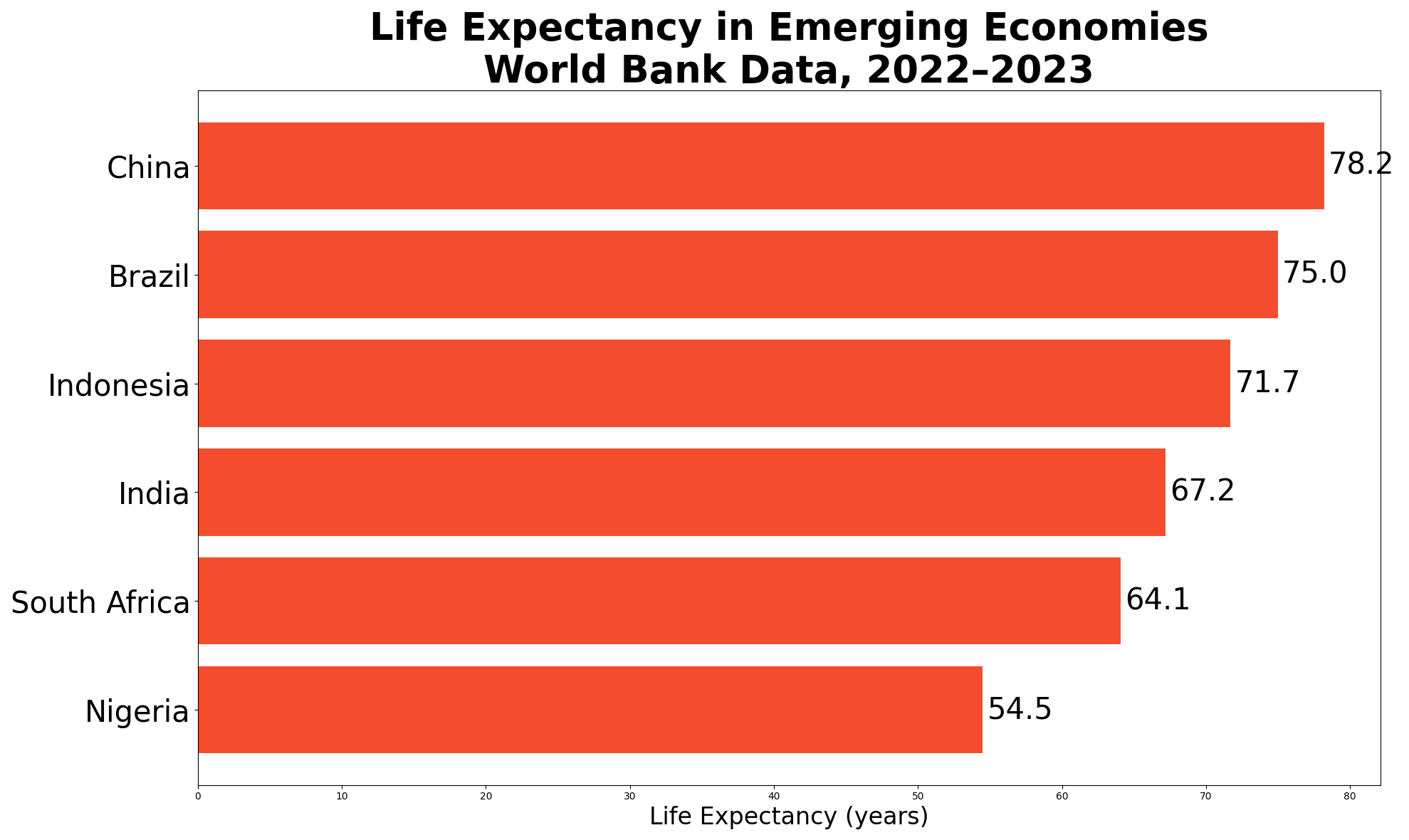
Many developing nations are still catching up—but their trajectory is also shifting.
🇮🇳 India: Life expectancy has risen sharply over decades but now faces pressure from urban pollution and rising diabetes rates.
🇧🇷 Brazil: Gains have slowed due to healthcare inequality and increasing violence in certain regions.
🇨🇳 China: Rapid improvements continue, but aging demographics and chronic disease are emerging concerns.
These countries benefited from improvements in sanitation and infectious disease control—similar to what developed nations experienced decades earlier. But they are now encountering the same “modern health” challenges sooner.
Interesting shift: China is projected to have over 400 million people aged 60+ by 2040—reshaping not just healthcare, but its entire economy.
If early gains came from medicine, future gains may depend more on behavior.
🥗 Diet: Mediterranean and plant-based diets consistently correlate with longer lifespans.
🚶 Activity: Regular movement—even walking—reduces mortality risk significantly.
😴 Sleep & stress: Chronic stress and poor sleep are now linked to major diseases.
Countries with slower declines often have healthier daily habits baked into culture—not just policy.
The takeaway is practical: longevity is becoming increasingly personal. Healthcare systems can only go so far; daily choices now carry more weight than ever.
A compelling finding: Studies suggest up to 80% of heart disease and stroke cases are preventable through lifestyle changes—making behavior one of the most powerful “technologies” for extending life.
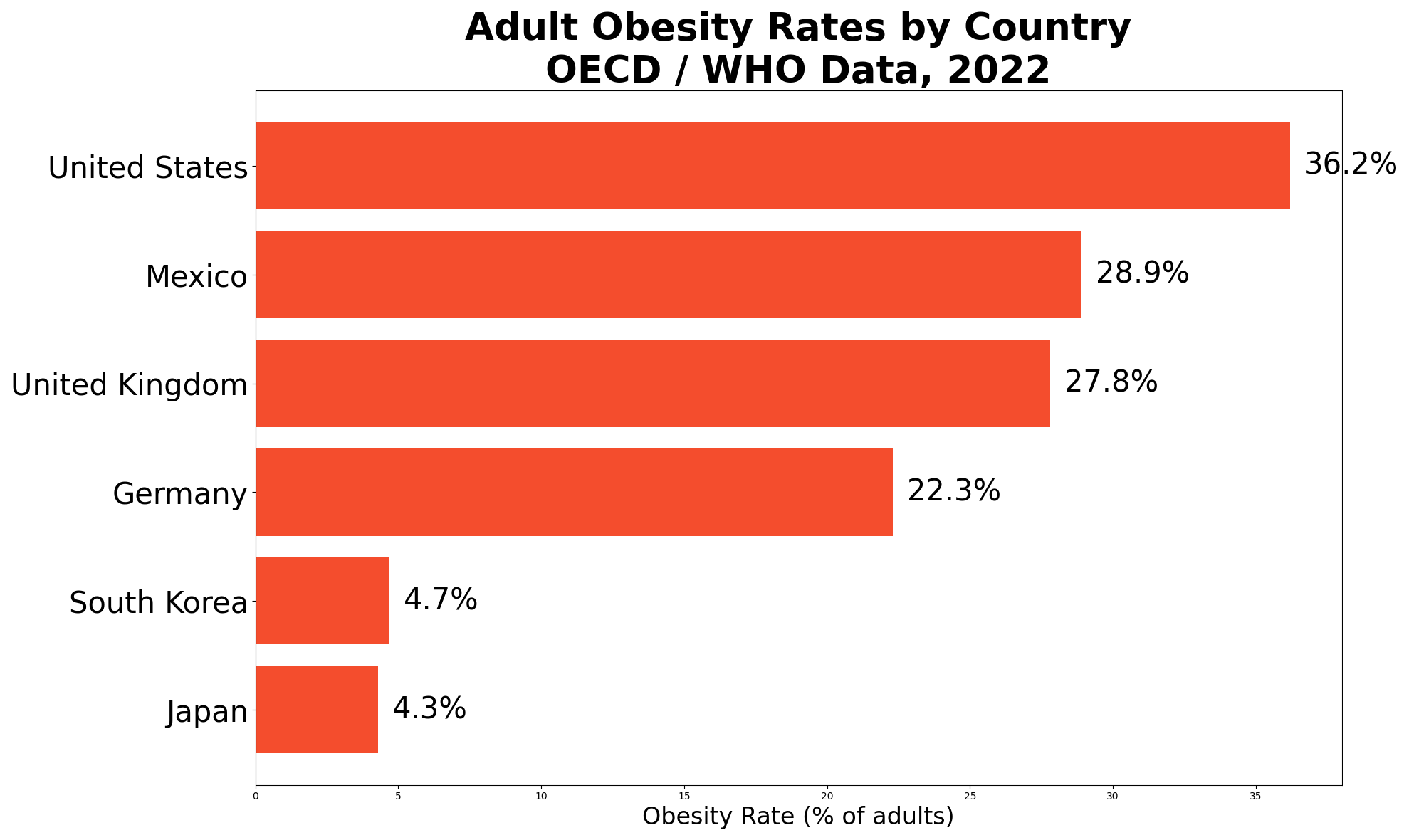
National averages can be misleading. Within countries, life expectancy gaps are widening.
🏙️ Urban vs. rural: Cities often offer better healthcare but also higher stress and pollution.
💵 Income divides: Wealthier individuals tend to live significantly longer.
🎓 Education: Higher education levels strongly correlate with longer life expectancy.
This means longevity is no longer just a national issue—it’s increasingly local and personal. Where you live within a country can matter as much as which country you choose.
Eye-opening reality: In some major cities, neighborhoods just a few miles apart can show life expectancy differences of 15–20 years—a stark reminder that environment shapes outcomes.
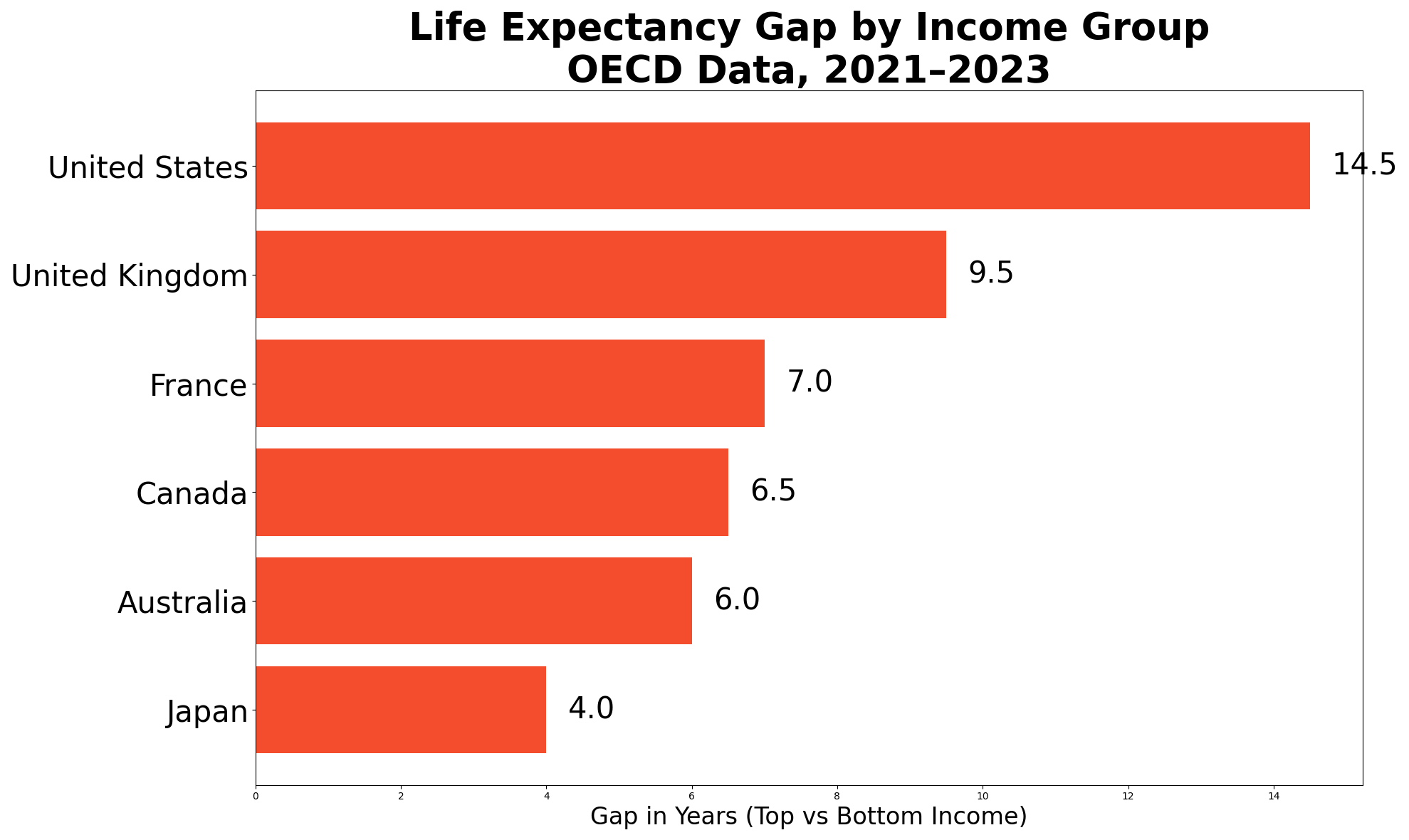
A growing debate is emerging: are we approaching the natural limits of human lifespan?
🧬 Biological constraints: Some scientists argue the human body has a practical ceiling around 85–90 years for average life expectancy.
💊 Medical innovation: Others believe breakthroughs in genetics and regenerative medicine could push that boundary further.
📈 Healthy lifespan vs. total lifespan: The focus is shifting toward extending “healthspan”—years lived in good health.
Rather than dramatic jumps, the future may bring slower, more incremental gains—focused on quality rather than quantity of life.
Fascinating projection: Even if total lifespan increases modestly, the number of people living past 100 is expected to quadruple globally by 2050.
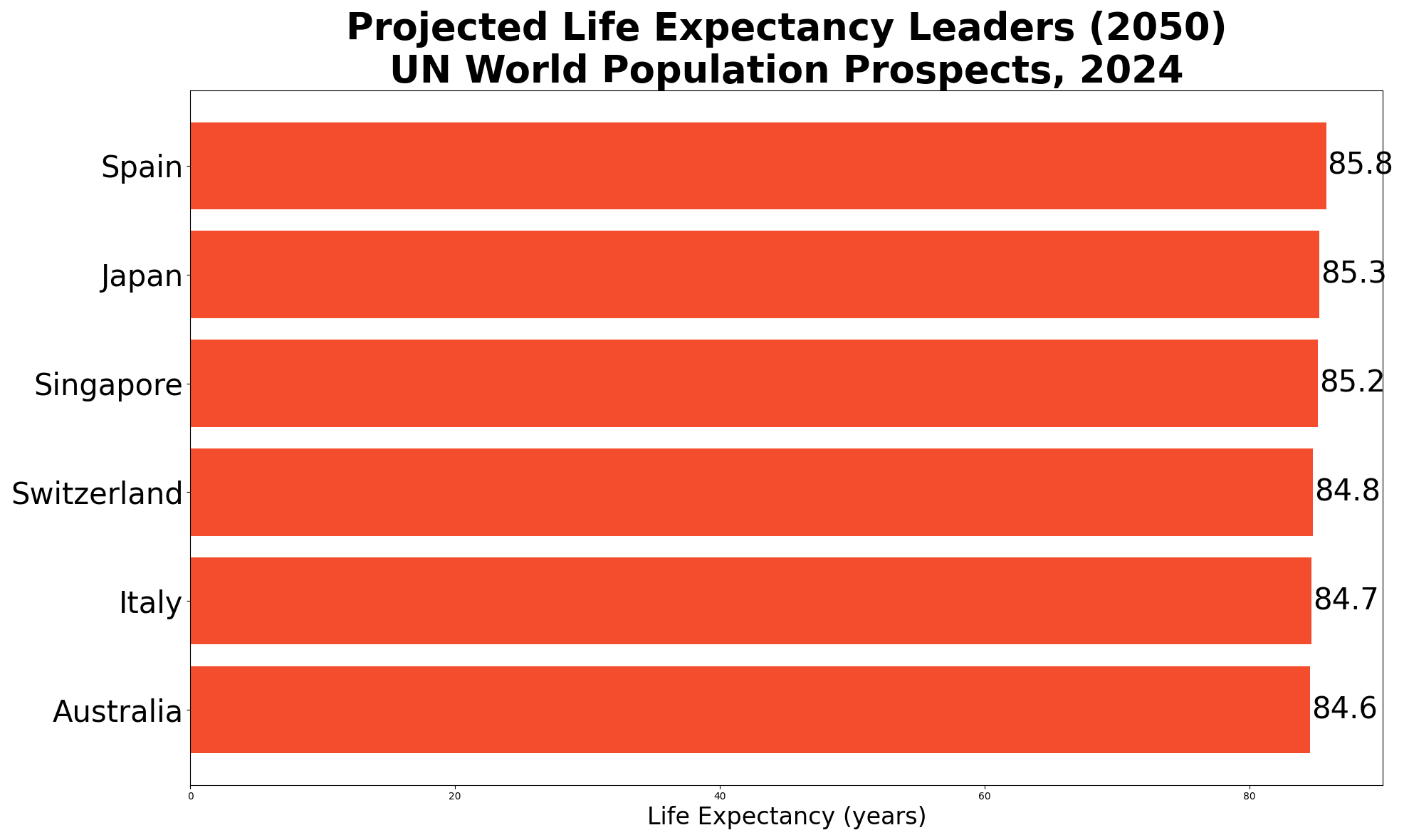
Life expectancy isn’t just about adding years anymore—it’s about making those years count.
Where you live, how you live, and the choices you make are playing a bigger role than ever.
Stay informed—and stay intentional about how you shape the years ahead.
Warm regards,
Shane Fulmer
Founder, WorldPopulationReview.com
P.S. Want to sponsor this newsletter? Reach 143,000+ global-minded readers — click here!