- World Population Review Newsletter
- Posts
- Why Nations Are Rushing to Retrofit Old Buildings
Why Nations Are Rushing to Retrofit Old Buildings
Energy efficiency gains are quietly being built into walls worldwide.

Philip Saparov
March 24, 2026
In partnership with

Greetings, curious observer of global change!
Most of the buildings around you weren’t built for today’s energy reality. Instead of replacing them, countries are upgrading them—quietly turning old walls into engines of efficiency.
With buildings driving nearly 40% of global energy use, this shift isn’t optional—it’s already reshaping costs, cities, and future value.
Here’s where it’s happening fastest—and why it matters to you.
“The Biggest Gold Mine in History”

That’s what NVIDIA’s CEO said investors in AI are tapping into. And market experts say it could send stocks for companies that create robots, aka physical AI, soaring on a "multi-year supertrend."
But 39k+ investors aren’t waiting for Wall Street. They're backing a private company NVIDIA hand-picked to help build the future of restaurant kitchen AI robots: Miso Robotics.
Miso’s Flippy Fry Station AI robots have now logged 200k+ hours cooking at fry stations for brands like White Castle, frying 5M+ food baskets. With NVIDIA sharpening Miso’s tech, Ecolab making a strategic investment, and a new manufacturing partnership secured, Miso’s scaling its robot production to meet this $1 trillion industry’s demand.
100k+ US fast-food locations are in need, a $4B/year revenue opportunity for Miso. Become an early-stage Miso shareholder today and unlock up to 7% bonus stock.
Invest in Miso Today
This is a paid advertisement for Miso Robotics’ Regulation A offering. Please read the offering circular at invest.misorobotics.com.
Europe is leading the global retrofit movement, driven by strict climate targets and aging infrastructure.
🇩🇪 Germany has invested heavily in upgrading insulation and heating systems, offering subsidies that cover up to 40% of retrofit costs.
🇫🇷 France is pushing large-scale renovations through its “MaPrimeRénov’” program, targeting millions of homes.
🇳🇱 The Netherlands is pioneering “net-zero retrofits,” transforming entire neighborhoods into energy-neutral zones.
Putting it into perspective: Europe’s approach blends policy with incentives—making retrofitting both a necessity and an opportunity.
🔎 Fascinating insight: Over 75% of EU buildings are considered energy inefficient—making retrofit the continent’s largest hidden climate lever.
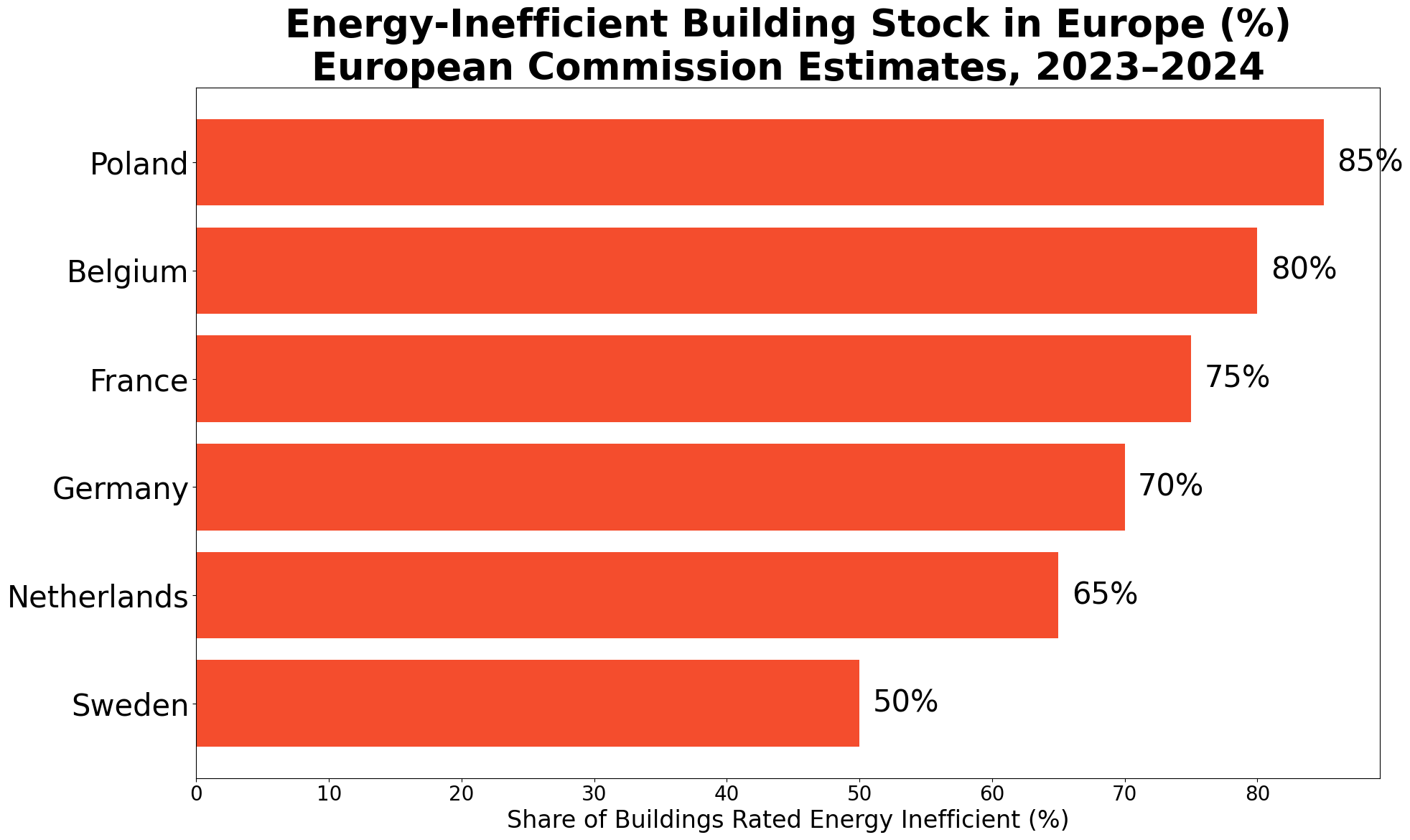
In the U.S., retrofitting isn’t always visible—but it’s accelerating rapidly beneath the surface.
🇺🇸 The Inflation Reduction Act has unlocked billions in tax credits for insulation, heat pumps, and energy upgrades.
🏙️ Cities like New York are mandating emissions cuts for large buildings, forcing owners to retrofit or face steep penalties.
🏡 Residential upgrades—like better windows and smart thermostats—are quietly becoming mainstream.
Putting it into perspective: Financial incentives, rather than mandates, are driving adoption—making retrofit a bottom-up movement.
🔎 Trend to watch: U.S. building retrofit spending is projected to exceed $100 billion annually within the decade.
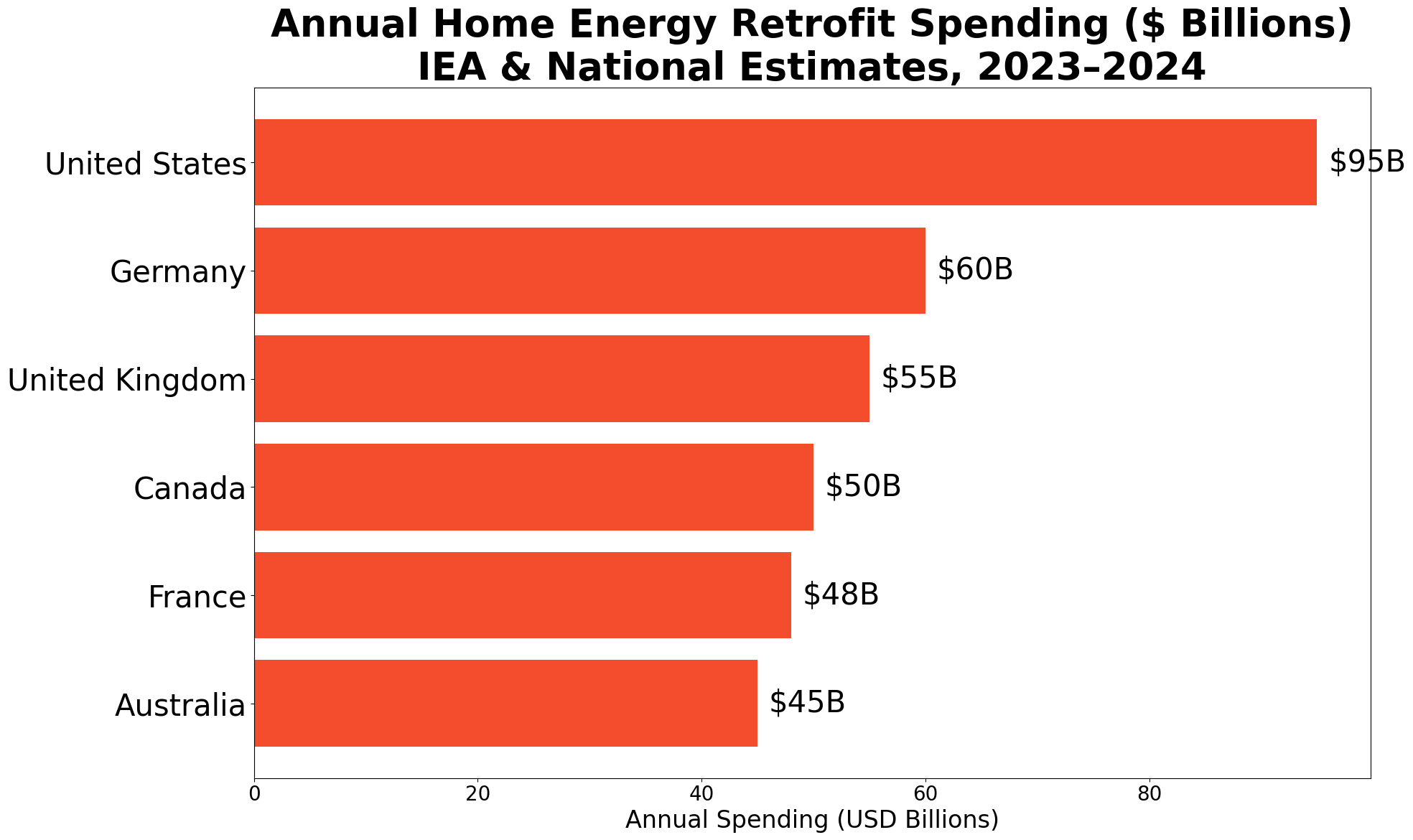
China’s retrofit strategy is less about preservation—and more about scale.
🇨🇳 The government is upgrading vast numbers of residential blocks built during rapid urbanization in the 1990s and 2000s.
🏢 Public buildings, including schools and hospitals, are being retrofitted with energy-efficient systems.
⚡ Smart energy management systems are being integrated to optimize usage across entire districts.
Putting it into perspective: China’s strength lies in execution—rolling out upgrades across millions of square meters at once.
🔎 Striking fact: China retrofits more floor space each year than many countries build from scratch.

Stop typing prompts. Start talking.

You think 4x faster than you type. So why are you typing prompts?
Wispr Flow turns your voice into ready-to-paste text inside any AI tool. Speak naturally - include "um"s, tangents, half-finished thoughts - and Flow cleans everything up. You get polished, detailed prompts without touching a keyboard.
Developers use Flow to give coding agents the context they actually need. Researchers use it to describe experiments in full detail. Everyone uses it to stop bottlenecking their AI workflows.
89% of messages sent with zero edits. Millions of users worldwide. Available on Mac, Windows, iPhone, and now Android (free and unlimited on Android during launch).
Japan approaches retrofitting with precision, driven by limited space and high energy costs.
🇯🇵 Buildings are upgraded with advanced insulation and seismic reinforcements—combining safety with efficiency.
🏢 Commercial properties increasingly use AI-driven systems to reduce energy waste.
🏠 Older homes are being modernized to meet stricter energy standards without rebuilding.
Putting it into perspective: Japan shows how retrofit can deliver multiple benefits—efficiency, resilience, and longevity.
🔎 Little-known detail: Some Japanese retrofits reduce energy consumption by over 50% without altering a building’s exterior.
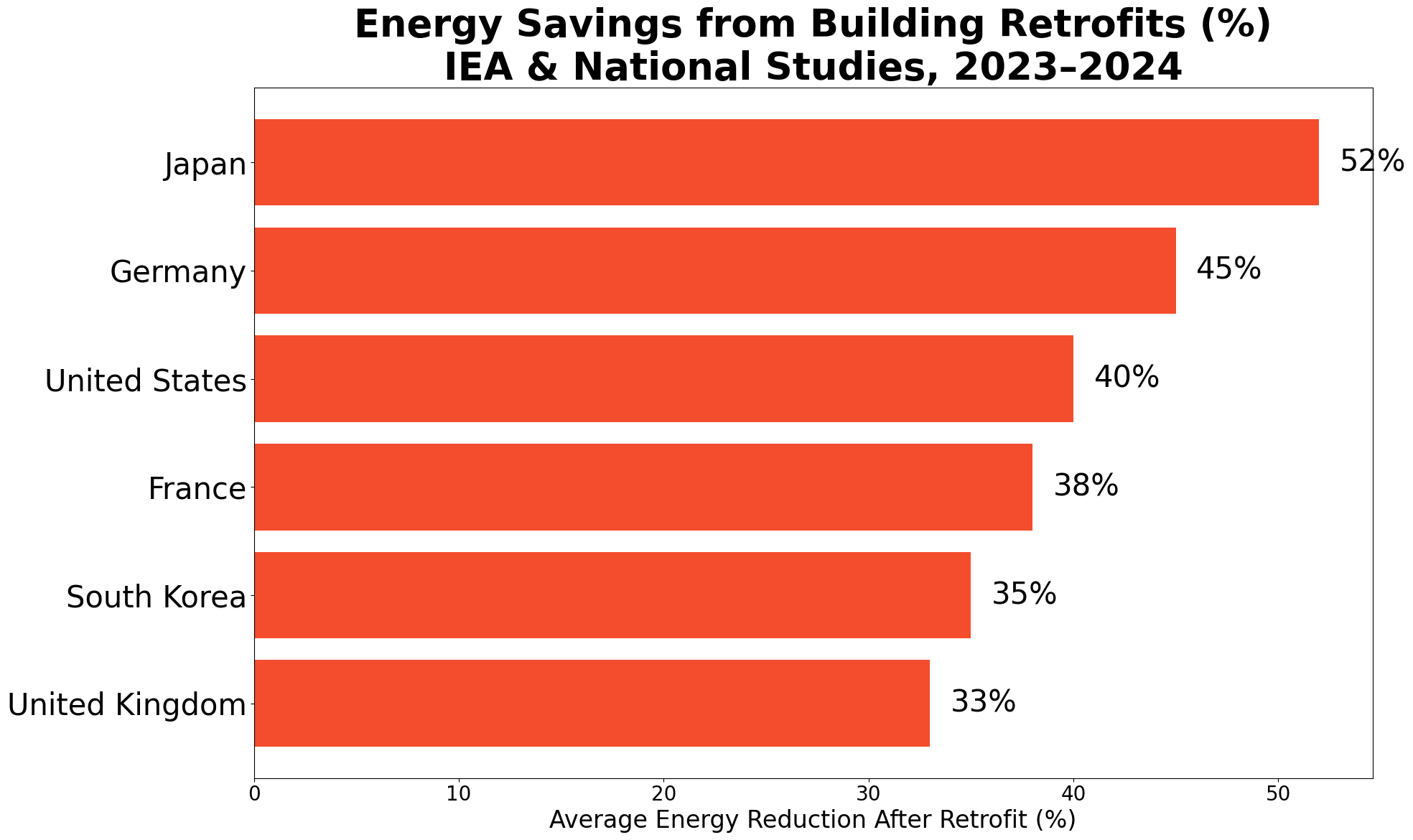
Retrofitting in these countries comes with a unique challenge: preserving history.
🇬🇧 The UK faces the task of upgrading centuries-old buildings while maintaining their character.
🇨🇦 Canada is investing in retrofits to handle extreme climates—improving insulation and heating efficiency.
🏛️ Both countries are developing techniques to modernize buildings without compromising heritage value.
Putting it into perspective: These nations highlight the complexity—and opportunity—of retrofitting older housing stock.
🔎 Interesting note: In the UK, over 80% of buildings that will exist in 2050 are already standing today.
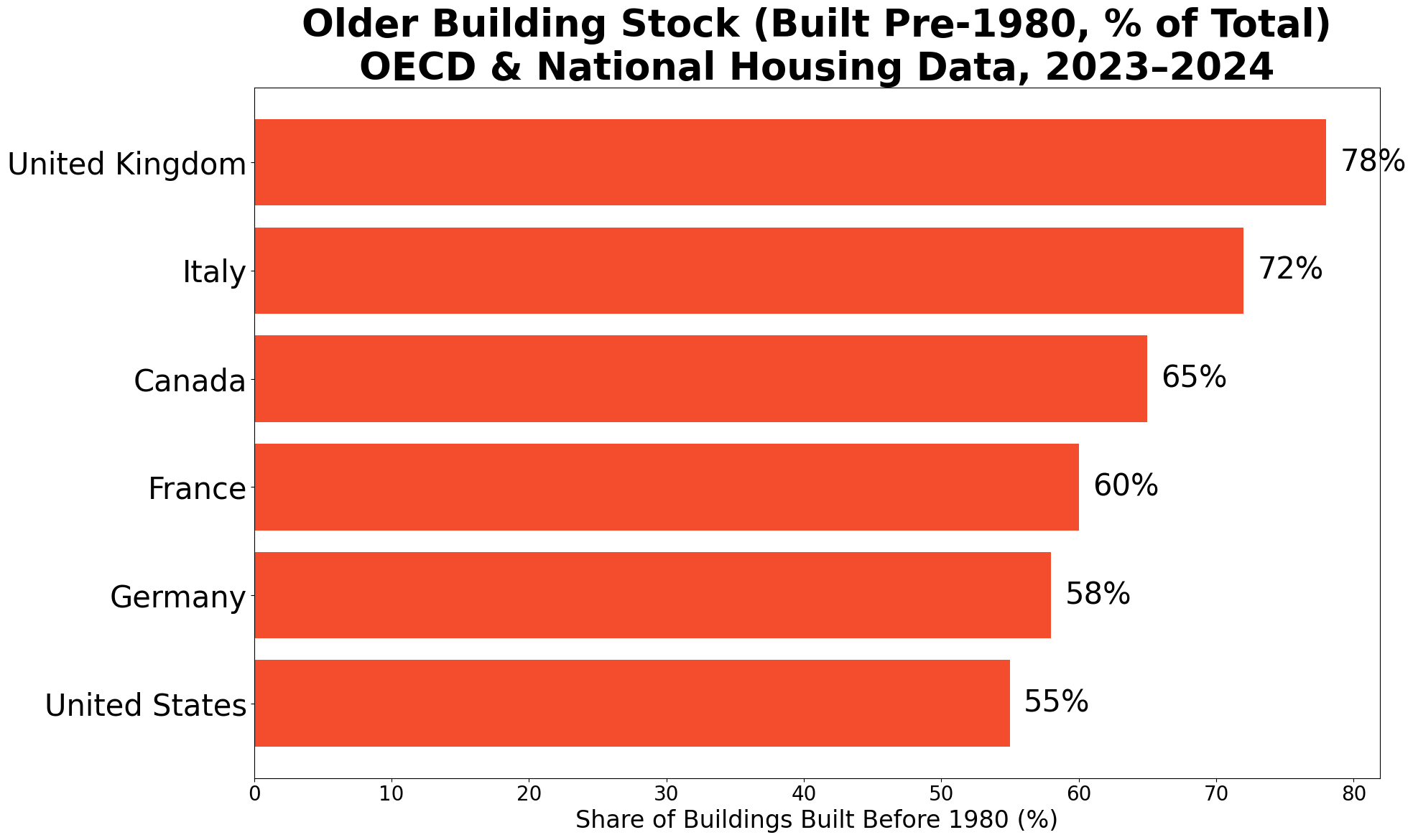
In developing economies, retrofitting is becoming a shortcut to efficiency.
🇮🇳 India is upgrading commercial buildings with energy-efficient cooling systems to combat rising temperatures.
🇧🇷 Brazil is focusing on improving building performance in urban centers to reduce electricity demand.
🇿🇦 South Africa is retrofitting public infrastructure to manage energy shortages.
Putting it into perspective: For these nations, retrofitting isn’t just environmental—it’s economic and essential.
🔎 Powerful stat: Efficient retrofits can cut building energy use by 20–40% in emerging markets.

The next phase of retrofitting goes beyond insulation—it’s about intelligence.
🌐 Smart systems now monitor energy use in real time, optimizing performance automatically.
🔋 Buildings are being equipped with storage and renewable integration, turning them into mini power hubs.
🧱 New materials allow walls and windows to actively improve efficiency over time.
Putting it into perspective: Buildings are evolving from static structures into dynamic, energy-producing systems.
🔎 Future glimpse: By 2040, retrofitted buildings could act as decentralized energy networks—reshaping how cities function.
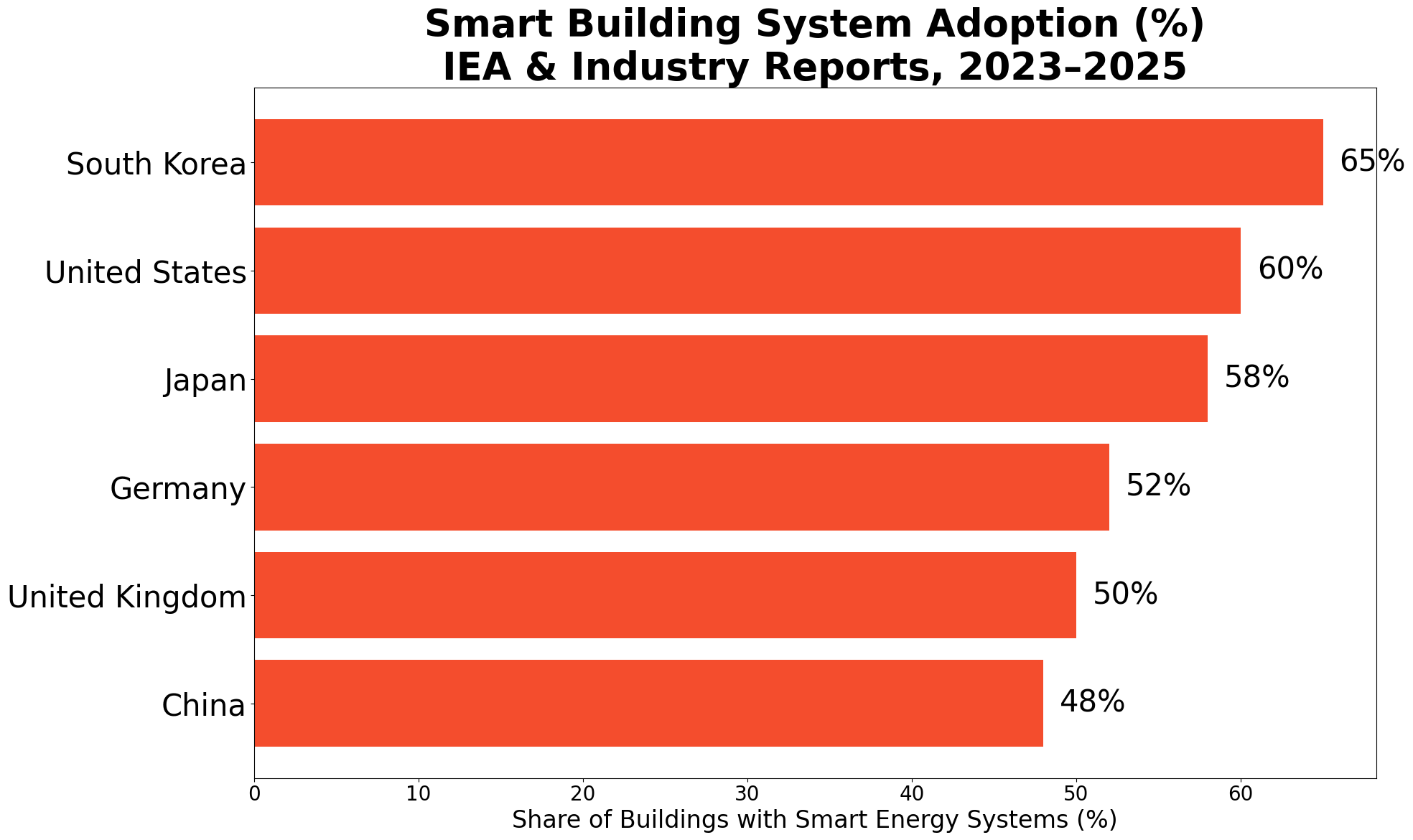
Retrofitting rarely makes headlines—but it’s quietly reshaping how cities function and what buildings cost to run.
For you, it’s more than a trend—it’s a signal of where energy costs, regulations, and property value are heading next.
Stay curious. The biggest shifts aren’t always visible—they’re built into the walls around you.
Warm regards,
Shane Fulmer
Founder, WorldPopulationReview.com
P.S. Want to sponsor this newsletter? Reach 141,000+ global-minded readers — click here!